Exosome Therapy Explained: Skin and Hair Regeneration
What exosomes are, how salmon-derived E50 exosomes are used for skin repair and thinning hair, what the evidence shows, UK rules and realistic results.
 Magdalena Wasiewicz7 min read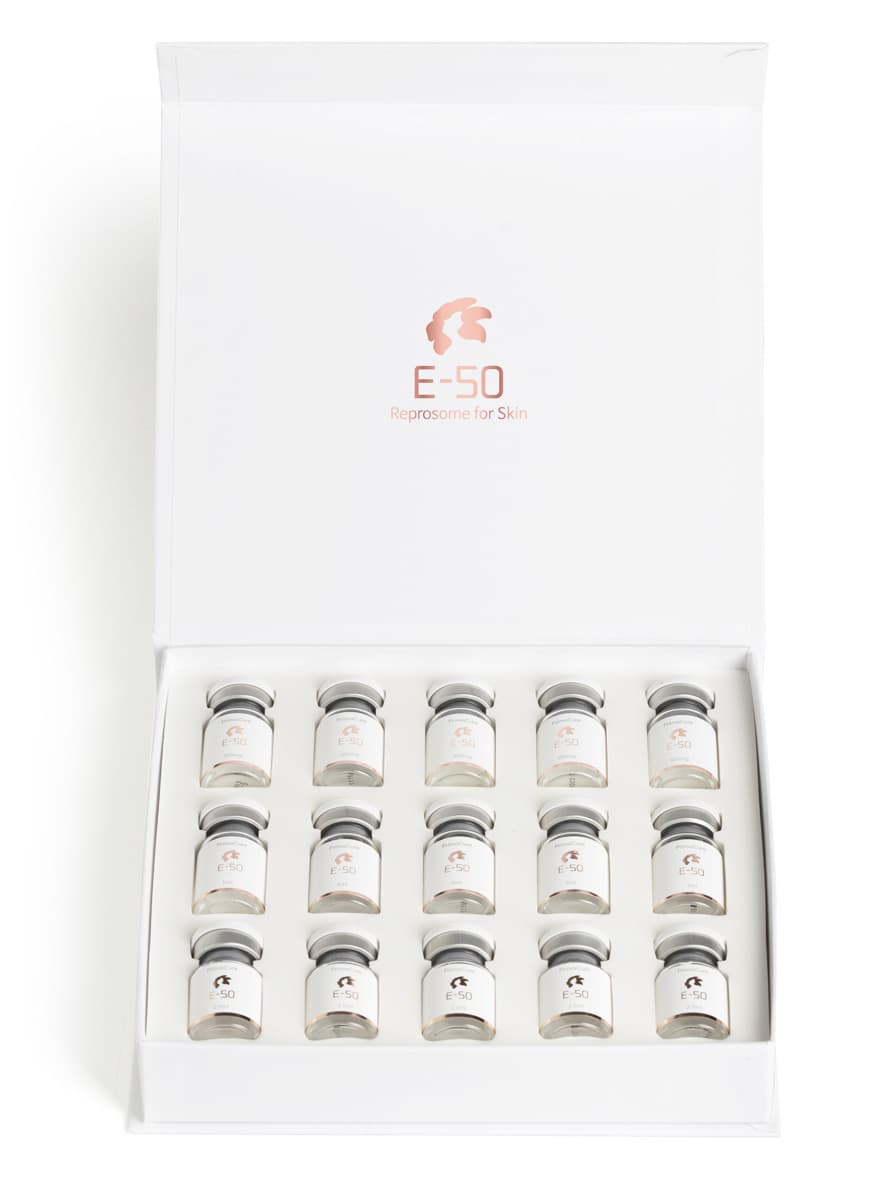
Exosome therapy uses tiny messenger particles, originally released by cells, to support the skin’s and scalp’s own repair signals. At Skin Anatomy we use E50 exosomes, which are salmon-derived and applied to prepared skin or scalp to help recovery, texture and thinning hair. The evidence is promising but early, and results vary between people.
Exosomes have become one of the most talked-about ingredients in aesthetics, and with that attention has come a lot of confusing, and sometimes unlawful, marketing. This guide sets out what exosomes are, how the E50 range differs, what they can and can’t realistically do for skin and hair, and the UK rules every client should know about before booking anywhere.
What are exosomes?
Exosomes are extremely small vesicles, roughly 30–150 nanometres across, that cells naturally release. Each one carries a cargo of biomolecules, including proteins, lipids and nucleic acids, wrapped in a membrane. Their job is communication: cells use them to pass signals to their neighbours, influencing how those cells behave, repair and respond to inflammation.
Exosomes are not cells. They can’t divide or grow into tissue. The interest in aesthetics comes from laboratory research showing that vesicles from certain cell types can influence fibroblasts (the cells that make collagen), calm inflammatory signalling and affect the cells at the base of hair follicles. The idea behind treatment is to deliver a concentrated dose of those helpful signals exactly where skin or scalp is trying to repair.
What makes E50 exosomes different?
E50 is the exosome range we have chosen at Skin Anatomy. According to the manufacturer, E50 exosomes are collected from salmon cells using a proprietary process called ENTR® Technology, and there are two separate formulations:
- E50 Skin, where the exosomes are cultivated in dermis stem cell media, for skin rejuvenation and recovery;
- E50 Hair, where the exosomes are cultivated in embryonic stem cell media, for the scalp and thinning hair.
The manufacturer states that both the host cells and the culture media are fully salmon-derived, which it says keeps free radicals and impurities low, and that ENTR® produces a purer, more concentrated product than other methods. Independent comparative data is limited, so we present those points as the manufacturer’s claims rather than established fact. What matters most to us is that the product is non-human in origin, which is important under UK rules.
Are exosome treatments legal in the UK?
Yes, but only in a specific way. Injecting exosomes, whether into the skin, under it or into a vein, is not lawful for aesthetic procedures in the UK, because injected exosomes are treated as medicinal products. Human-derived exosomes are not approved for cosmetic use at all. Non-human exosomes, such as those derived from salmon, may be used topically in properly compliant cosmetic products. Save Face has published a clear patient safety warning on exosome therapy that explains the position.
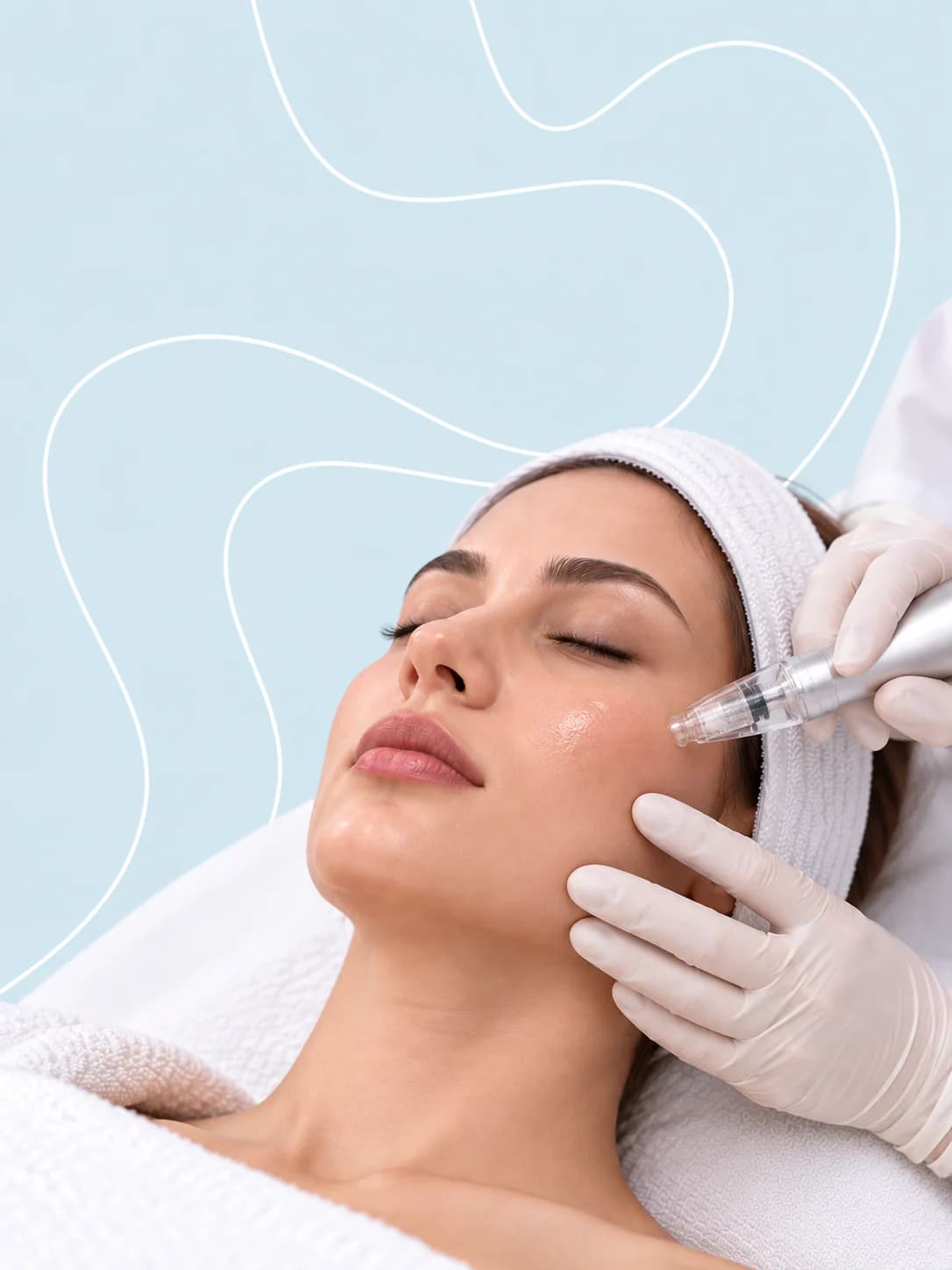
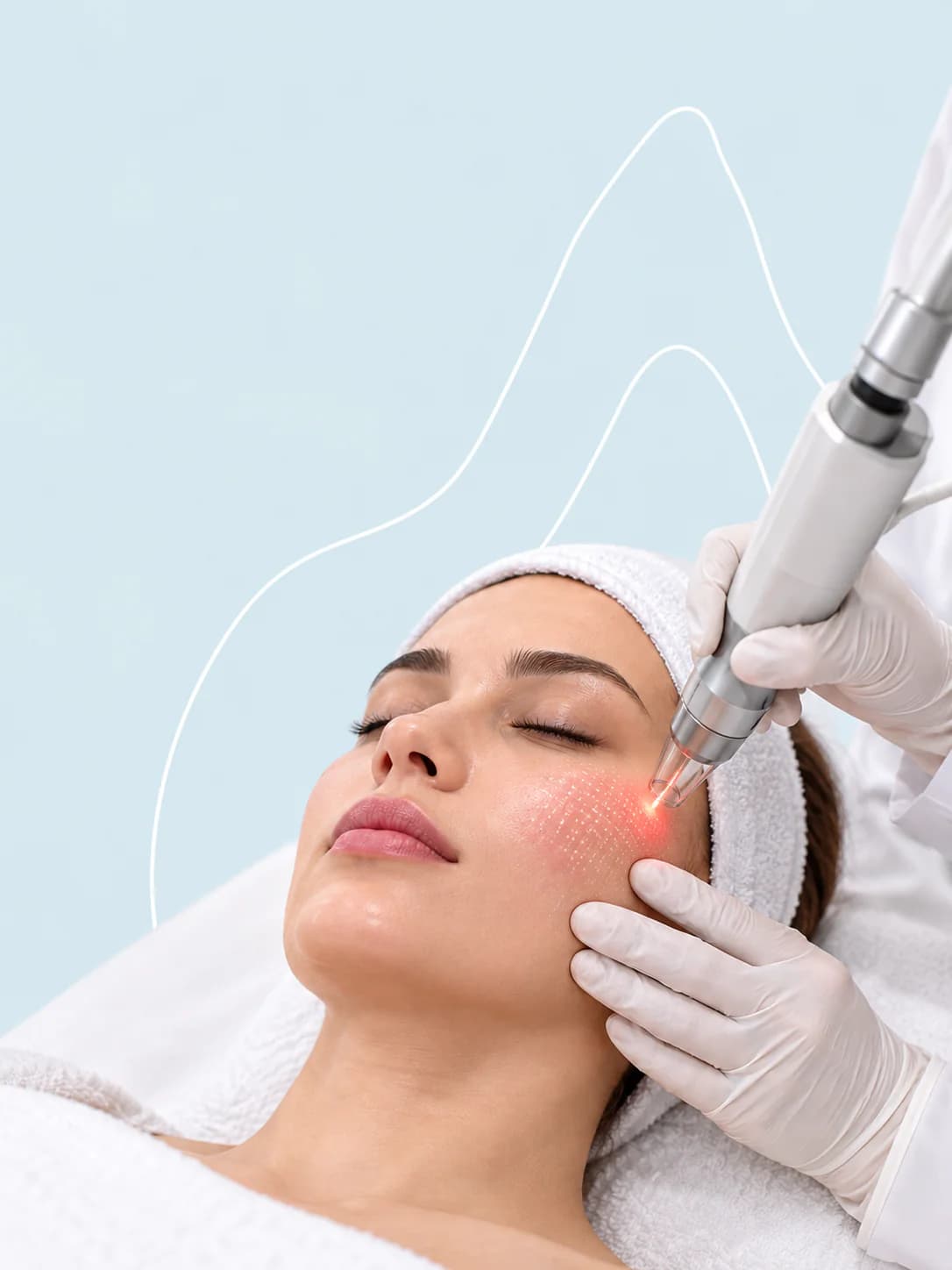
That is why, at Skin Anatomy, E50 exosomes are applied to the skin or scalp, never injected. For skin, they are typically applied straight after a treatment that creates microscopic channels, such as fractional CO2 laser resurfacing, so they can reach deeper layers. We explain exactly how your treatment will be delivered at consultation. If any clinic offers to inject exosomes, or cannot tell you where its product comes from, treat that as a red flag. Our guide to choosing a safe aesthetic clinic covers other warning signs.
What can exosomes do for your skin?
Most clients come to us for one of four reasons:
- Supporting recovery after CO2 laser. Resurfacing works by creating controlled micro-injuries. Applying exosomes afterwards aims to support that healing response, and many practitioners report calmer skin and less prolonged redness. Clinical evidence for this use is still limited, so we treat it as support for good aftercare, not a replacement. Our day-by-day CO2 laser recovery guide explains what normal healing looks like.
- Texture and tone. Signals that encourage fibroblast activity may help skin look smoother and more even over time, particularly alongside resurfacing for acne scars.
- Redness and sensitivity. Exosomes are thought to help calm inflammatory signalling, which may make reactive skin feel more comfortable.
- Dull, tired skin. Some clients simply want their skin to look healthier and brighter, often as part of a wider regeneration plan.
Can exosomes help thinning hair?
Hair grows in cycles. At any time most follicles are in an active growth phase, while others are resting before they shed. At the base of each follicle, a cluster of cells called the dermal papilla controls whether a follicle grows or rests. Exosome treatment for the scalp aims to deliver regenerative signals to those cells, encouraging more follicles into the growth phase and supporting thicker, healthier-looking hair.
Early, mostly small studies of exosome-based scalp treatments have reported improvements in hair density for some people with gradual, pattern-type thinning. However, the trials are small, follow-up periods are short and protocols vary, so larger independent research is still needed. Exosomes are most likely to help where follicles are still active. They cannot regrow hair on smooth, shiny bald skin or in scarred areas. You can read more about our approach to thinning hair.
See your GP before any hair treatment if…
- your hair loss has come on suddenly or quickly;
- you have round bald patches, which can be a sign of alopecia areata;
- your scalp is itchy, sore, red, scaly or burning, or you notice scarring;
- hair loss comes with tiredness, weight changes, feeling cold or heavy periods, which can point to thyroid problems or iron deficiency;
- it started after a new medicine, an illness, or in the months after pregnancy.
Many of these causes need medical assessment or treatment, and some types of shedding settle on their own. The NHS guide to hair loss is a good starting point, and we may ask you to speak to your GP before we start.
What does a course of treatment involve?
Every plan begins with a free consultation, a medical history and photographs taken in consistent light, so progress can be judged fairly. For skin, exosomes are often used as an add-on on the day of a laser treatment, or as part of a short course a few weeks apart. For hair, a course of several sessions spaced weeks apart is typical.
Patience is essential with hair. It grows slowly, and any change in shedding or density usually takes around three to six months to become visible. We review your photographs at agreed points and discuss whether maintenance sessions make sense. Current costs for skin, scalp and laser add-on treatments are listed on our price guide.
Side effects and who shouldn’t have exosome therapy
Because E50 is applied topically, side effects from the exosomes themselves are usually mild: temporary redness, warmth, tightness or sensitivity. Most of what you feel afterwards comes from the treatment used to prepare the skin, such as the normal recovery period after CO2 laser. Rarely, irritation or an allergic reaction can occur.
Exosome therapy is not suitable if you:
- have an allergy to fish, salmon or fish proteins;
- are pregnant or breastfeeding;
- have an active infection, cold sore, open wound or flare of an inflammatory skin condition in the area;
- have had skin cancer in the treatment area or are receiving cancer treatment, unless your medical team has agreed;
- are under 18.
Realistic expectations
| Concern | What exosomes may help with | What they won’t do | When change may show |
|---|---|---|---|
| Recovery after CO2 laser | Calmer, more comfortable skin while healing | Replace aftercare or daily SPF | During the first one to two weeks |
| Uneven texture and dullness | Smoother, brighter-looking skin | Lift sagging skin or restore volume | Gradually over several weeks |
| Redness and sensitivity | Skin that feels calmer | Cure a medical skin condition | Varies from person to person |
| Thinning hair | Less shedding and thicker-looking hair for some people | Regrow hair on bald or scarred skin, or fix medical causes | Around three to six months |
You can see genuine before and after photographs of our E50 clients on the exosome therapy treatment page. They are unretouched and labelled with the reminder that individual results vary.
Book a free consultation in Southwell
If you are curious about exosomes for your skin or hair, we would be glad to talk it through honestly. Our clinic is at 17 Queen Street, Southwell, within easy reach of Nottingham, Newark and Mansfield. Magdalena will assess whether exosome therapy is likely to help, whether another treatment would suit you better, and whether anything needs checking with your GP first. Book your free consultation to get started.
This article is general information, not medical advice. Individual results vary, and every treatment is subject to a consultation and suitability assessment. Treatments at Skin Anatomy are for adults aged 18 and over.
This article is general information, not personal medical advice. Treatments are for adults aged 18 and over, suitability is assessed at a consultation, and individual results vary. If you have a new or changing mole, or any skin symptom that worries you, please see your GP.
Book an Appointment
It's easy — and consultations are free.
Questions Answered
Are exosomes injected at Skin Anatomy?
Are E50 exosomes made from human cells?
How long does exosome therapy take to work on thinning hair?
Can exosomes be combined with CO2 laser resurfacing?
Is exosome therapy safe?
Magdalena Wasiewicz
Founder & Lead Aesthetic Practitioner
Founder of Skin Anatomy, fully qualified to the highest level in aesthetic practice and currently studying medicine.
Open Profile