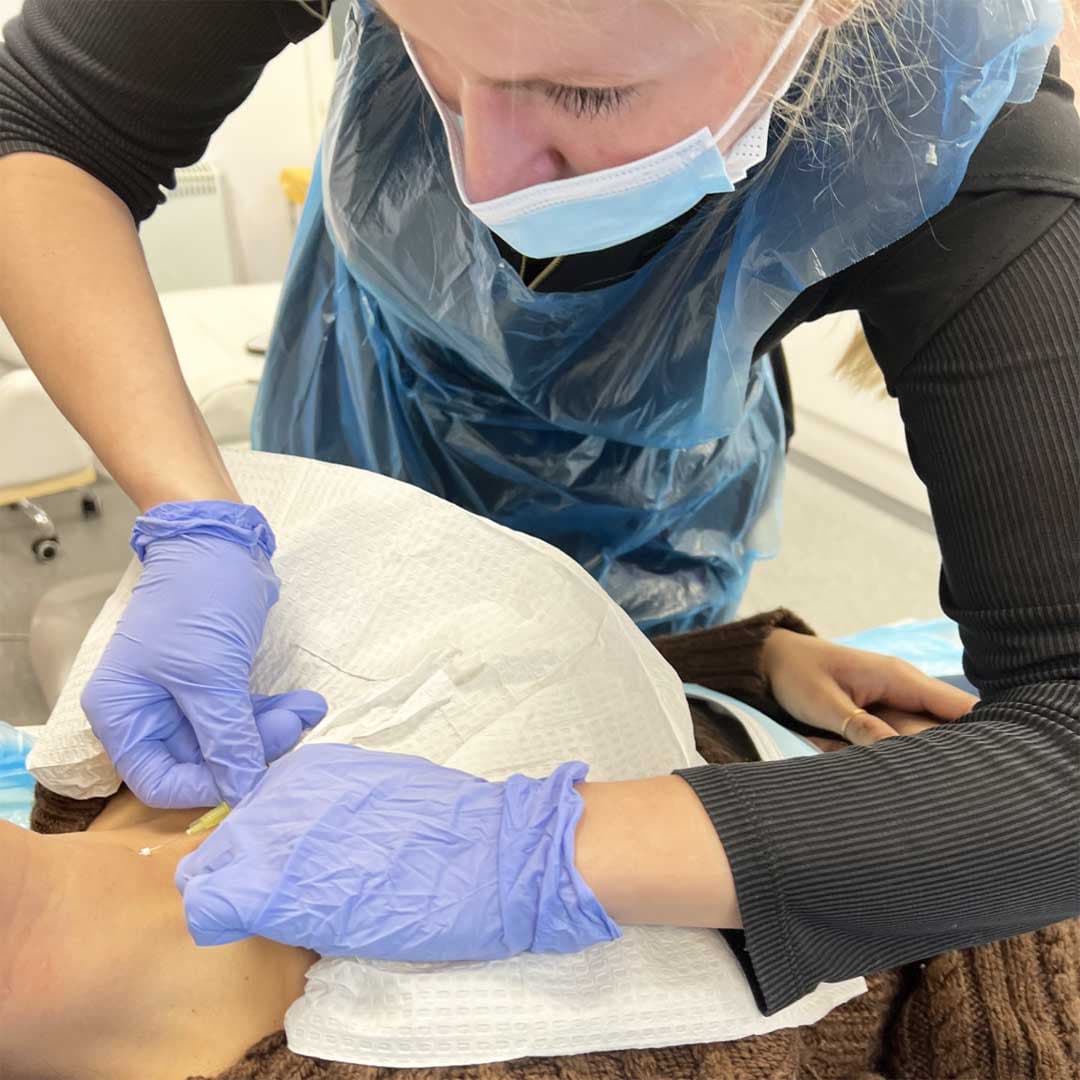
Polynucleotides vs Skin Boosters: Which Is Right for You?
Polynucleotides repair and strengthen; skin boosters hydrate. How the two injectables differ, who suits each, courses, side effects and combining them.
 Magdalena Wasiewicz7 min read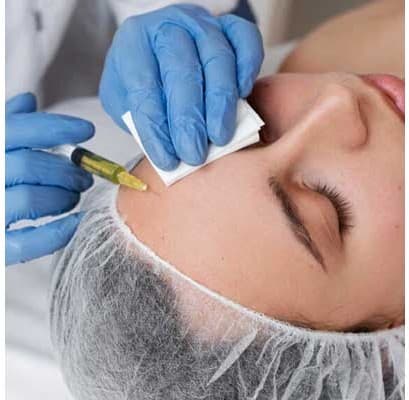
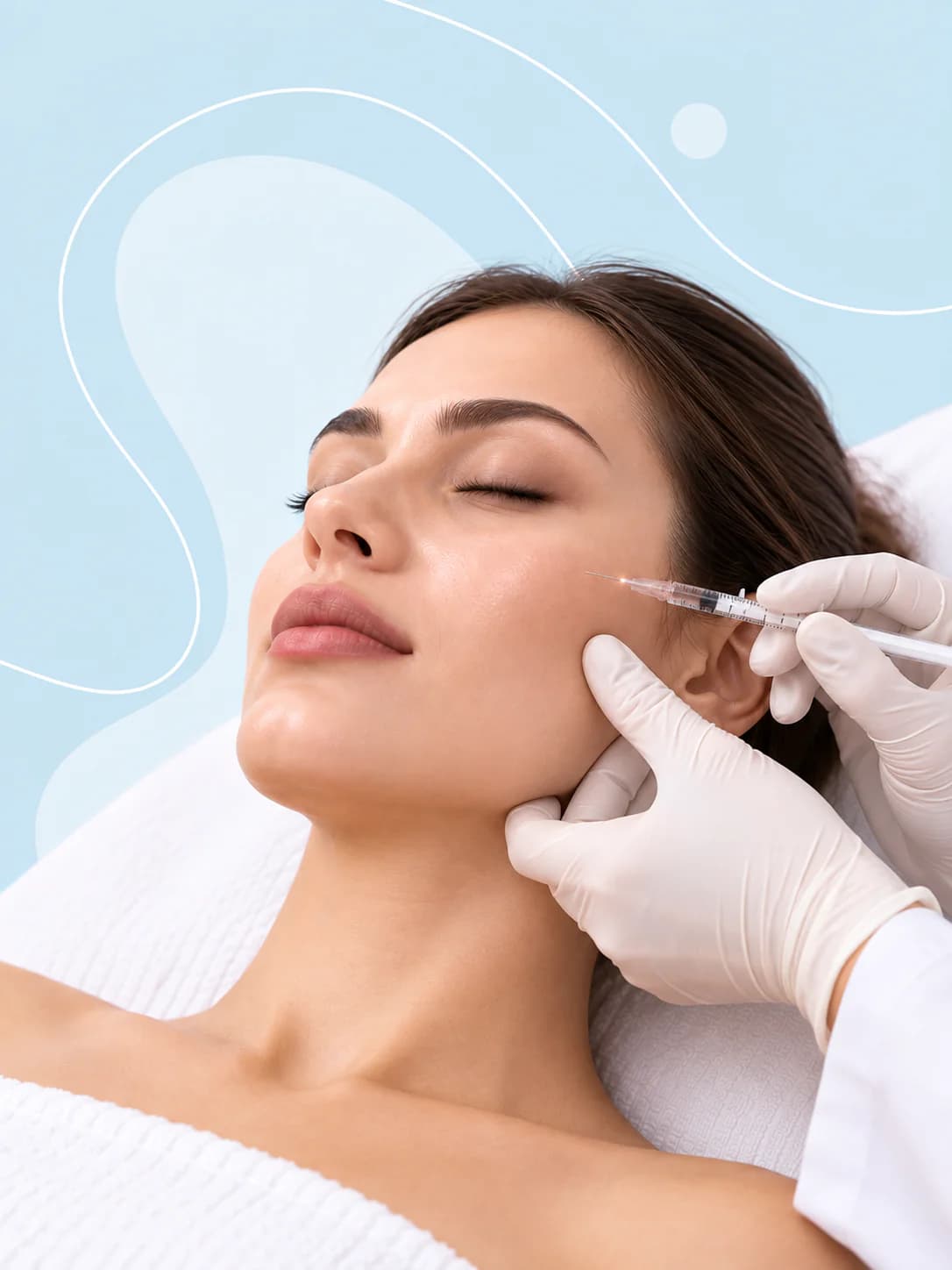
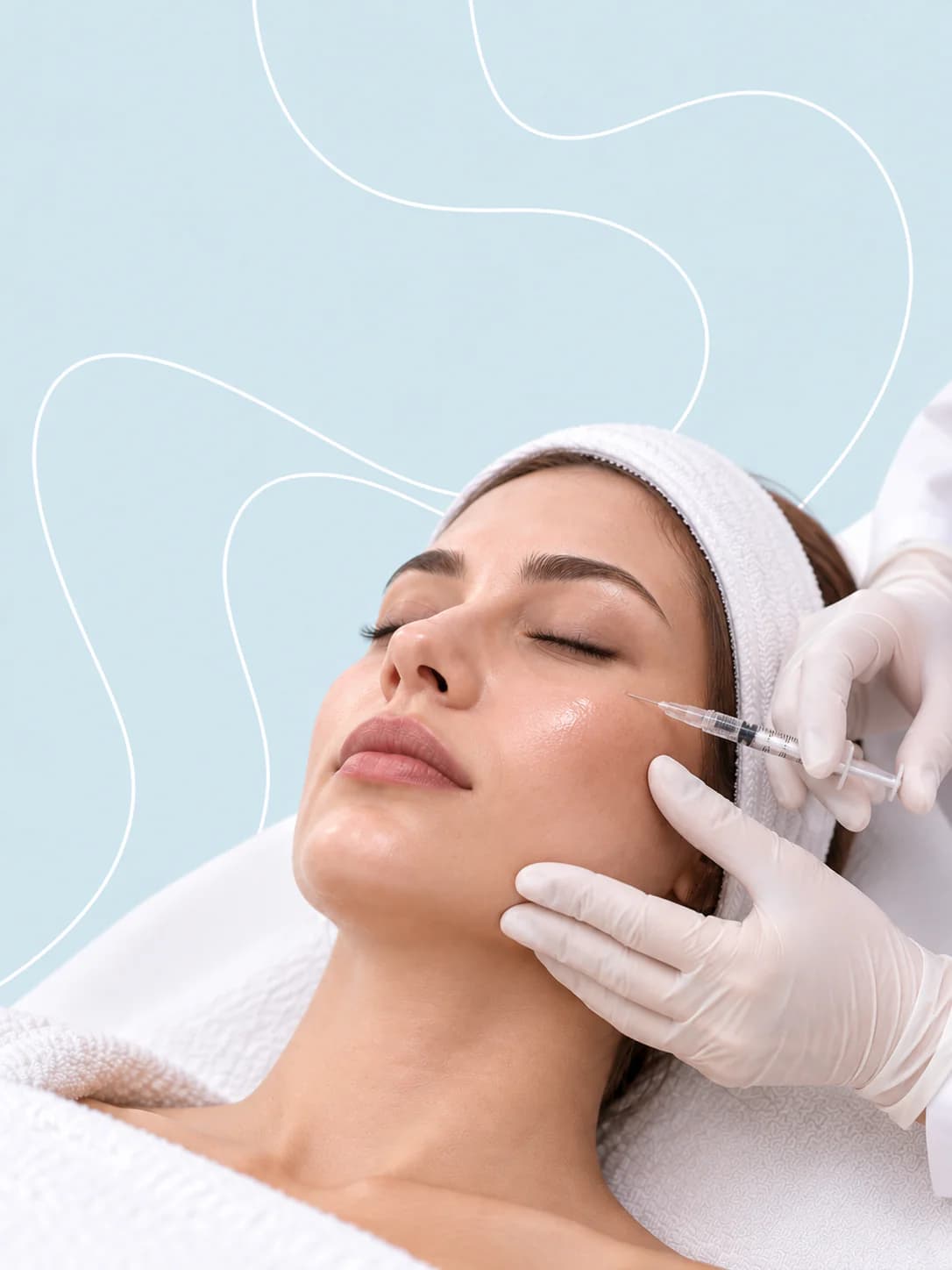
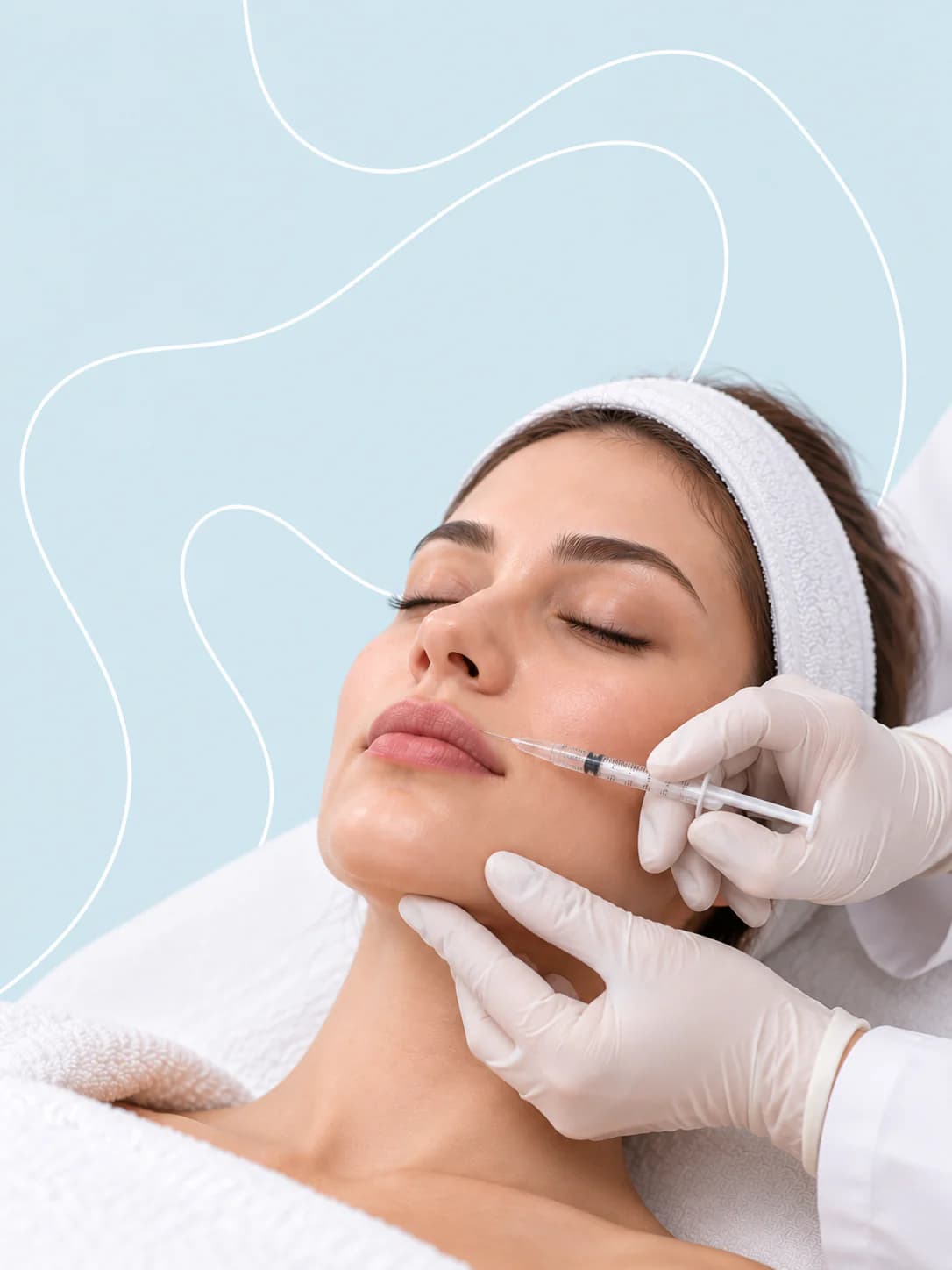
Polynucleotides and skin boosters are both fine injectable treatments for skin quality, but they do different jobs. Polynucleotides are purified DNA fragments that support the skin’s own repair processes, making them well suited to thin, crepey or sensitised skin. Skin boosters deliver hyaluronic acid for deep hydration and glow. Many people benefit from one; some from both.
Both treatments are often grouped together as “skin regeneration”, and clients regularly ask us which one they should book. The honest answer depends on what your skin needs most: strength and resilience, or hydration and radiance. This guide explains how each works, where each performs best, what the evidence actually shows and how we decide at consultation.
What are polynucleotides?
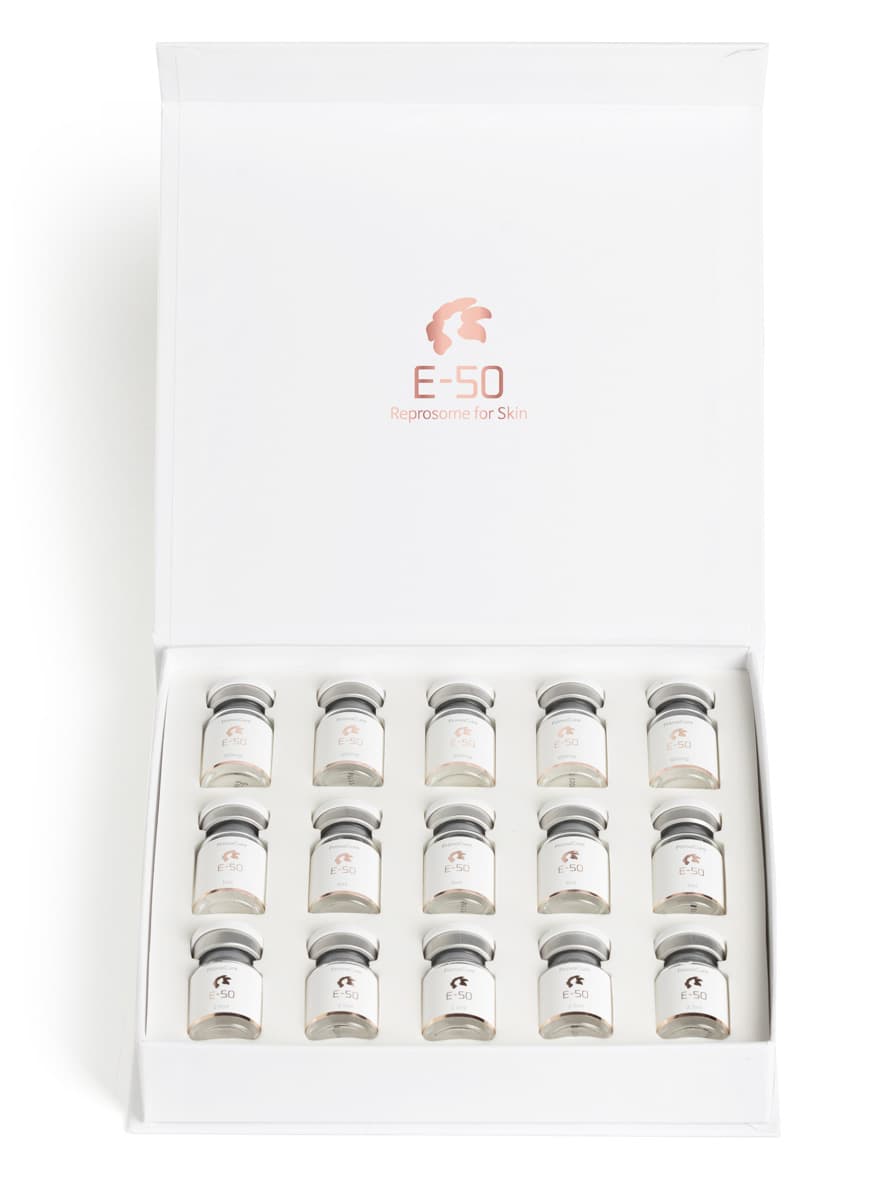
Polynucleotides (often shortened to PN) are chains of highly purified DNA fragments, usually derived from salmon or trout. Once placed in the skin, they are thought to act as both a scaffold and a signal for fibroblasts, the cells that produce collagen and maintain the skin’s structure. Laboratory and clinical research suggests they support tissue repair, help calm low-grade inflammation and, over a course of treatment, improve firmness, elasticity and skin thickness. Part of that effect appears to work through adenosine receptors, which are involved in the body’s repair responses.
Polynucleotides don’t add volume, and they don’t hydrate in the way hyaluronic acid does. Think of them as a treatment for the quality and resilience of the skin itself. That is why they have become popular for the delicate under-eye area, where skin is thin and conventional fillers can cause puffiness, and for the neck, décolletage and backs of the hands.
The evidence is encouraging but still modest. Most published studies are small, some are observational rather than controlled, and several are supported by product manufacturers. Early real-world data on treatment around the eyes suggests side effects are usually mild and short-lived. We would rather explain that plainly than oversell a result.
What are skin boosters?
Skin boosters are injectable gels made mainly of hyaluronic acid (HA) that is either lightly cross-linked or not cross-linked at all. HA occurs naturally in the skin and acts like a moisture magnet, holding water in the tissue. Levels fall as we age, and skin starts to look duller, drier and less bouncy. Placing tiny amounts of HA across an area in a series of small, superficial injections restores hydration from within. Some formulations also contain amino acids, antioxidants or vitamins.
Unlike dermal fillers, boosters are designed to spread evenly through the skin rather than lift or shape it. The main visible change is hydration: a smoother surface, softer fine dehydration lines and better light reflection, which is the “glow” people describe. Some research suggests that improved hydration may also encourage collagen production over time, although that effect is harder to measure and varies from person to person.
Polynucleotides vs skin boosters: the key differences
| Polynucleotides | Skin boosters | |
|---|---|---|
| What it is | Purified fish-derived DNA fragments | Lightly or non-cross-linked hyaluronic acid |
| Main goal | Repair, strengthen and thicken thin or fragile skin | Deep hydration, smoothness and radiance |
| Best suited to | Crepey under-eyes, neck, décolletage, sensitised or recovering skin | Dull, dehydrated skin, fine dehydration lines, rough texture |
| Typical course | Often 3 sessions, around 2–3 weeks apart | Often 2–3 sessions, around 4 weeks apart |
| Downtime | Small bumps for 24–48 hours; possible bruising or swelling | Small bumps for 24–48 hours; possible bruising or swelling |
| When you notice a change | Gradually over the course, as the skin responds | Hydration often visible within a couple of weeks |
| How long results last | Varies; many people have maintenance every 6–12 months | Varies; many people have maintenance every 6–12 months |
| Key exclusion | Allergy to fish or fish proteins | Allergy to hyaluronic acid or product ingredients |
Course lengths and intervals differ between products, so your plan may not match the table exactly. We confirm the schedule for your skin at consultation.
Which should you choose?
A quick way to think about it: polynucleotides for skin that is thin, tired and struggling to repair; boosters for skin that is structurally fine but thirsty and flat.
Polynucleotides may suit you if…
- the skin under your eyes is thin, crepey or shadowed (see our guide to tired eyes and dark circles);
- your neck or décolletage has fine, crinkled texture;
- your skin is reactive or sensitised and you want a gentle, regenerative approach;
- you prefer a gradual, natural-looking improvement rather than an immediate change.
Skin boosters may suit you if…
- your skin looks dull and dehydrated despite a good skincare routine;
- you see fine, criss-cross dehydration lines across the cheeks;
- your texture feels rough or your make-up sits badly;
- your skin loses its glow after winter, illness or a stressful period.
Probably neither on its own if…
- your main concern is lost volume, such as hollow cheeks or deep folds, which is better addressed with dermal fillers;
- you are bothered by expression lines that appear when you frown or smile, which respond to anti-wrinkle injections;
- you have loose skin along the jawline or neck, where tightening treatments such as Endolaser or CO2 laser do more;
- you have deep acne scarring, which usually needs resurfacing.
Can you combine polynucleotides and skin boosters?
Often, yes. Because they work in different ways, a plan might use polynucleotides to strengthen the under-eyes and neck while skin boosters hydrate the mid-face. Sessions can be staggered, and in some cases different areas are treated on the same day.
Both also sit well alongside CO2 laser skin resurfacing. Regenerative injectables can help prepare skin in the weeks before a laser course, and support it in the months afterwards once it has fully healed. Timing matters: we never inject into freshly lasered skin, and we plan the gap individually. If you are considering laser too, our CO2 laser recovery guide explains the healing timeline, and our article on exosome therapy covers another regenerative option often used after laser.
What happens at your appointment?
Every plan starts with a free consultation. We take a full medical history, look closely at your skin in good light, talk through what bothers you and explain which option is likely to help, including when the answer is neither. If you go ahead, we photograph the area so progress can be compared fairly.
On the day, the skin is cleansed and a numbing cream applied where appropriate. At Skin Anatomy we also use TargetCool, a medical device that delivers precisely controlled CO2 cooling to the skin at the moment of injection. Many clients find it makes needle-based treatments noticeably more comfortable. Tiny amounts of product are placed with a very fine needle or, in some areas, a cannula. Including numbing, most appointments take under an hour.
Side effects and who shouldn’t have them
Both treatments are generally well tolerated, but no injectable is without risk. Common, temporary effects include:
- small raised bumps at the injection points, usually settling within 24–48 hours;
- redness, tenderness and mild swelling, which can last a little longer around the eyes;
- bruising, particularly if you bruise easily or take medicines that affect bleeding.
Less common problems include infection, an allergic reaction or small lumps. With any hyaluronic acid product there is also a very rare risk of a blocked blood vessel, which is one reason an experienced practitioner with a detailed knowledge of facial anatomy matters. If pain, redness or swelling increases after the first 48 hours, or you notice pale, dusky or mottled skin, contact us straight away. Out of hours, call NHS 111.
These treatments are not suitable if you:
- are pregnant or breastfeeding;
- have an allergy to fish or fish proteins (polynucleotides) or to hyaluronic acid or any product ingredient (boosters);
- have an active skin infection, cold sore or inflamed breakout in the treatment area;
- have certain autoimmune conditions or take blood-thinning medication, unless we have discussed it first;
- are under 18.
How to look after your skin afterwards
- Avoid make-up for 12–24 hours so the injection points can close.
- Skip strenuous exercise, saunas, steam rooms and hot baths for 24–48 hours.
- Don’t massage or press on the area unless we have advised it.
- Use a broad-spectrum SPF every day.
- Avoid booking treatment in the week before a big event, in case of bruising.
Book a free consultation in Southwell
If you are still unsure which is right for you, that is exactly what a consultation is for. At our clinic at 17 Queen Street, Southwell, a straightforward drive from Newark-on-Trent, Mansfield and Nottingham, Magdalena assesses your skin in person, explains the options and the evidence plainly, and gives you a clear plan with costs. You can see current treatment prices on our price guide, and when you are ready, book your free consultation.
This article is general information, not medical advice. Individual results vary, and every treatment is subject to a consultation and suitability assessment. Treatments at Skin Anatomy are for adults aged 18 and over.
This article is general information, not personal medical advice. Treatments are for adults aged 18 and over, suitability is assessed at a consultation, and individual results vary. If you have a new or changing mole, or any skin symptom that worries you, please see your GP.
Book an Appointment
It's easy — and consultations are free.
Questions Answered
Are polynucleotides or skin boosters better for under the eyes?
How long do polynucleotides and skin boosters last?
Can I have polynucleotides if I am allergic to fish?
When will I see results from skin boosters and polynucleotides?
Will skin boosters change the shape of my face?
Magdalena Wasiewicz
Founder & Lead Aesthetic Practitioner
Founder of Skin Anatomy, fully qualified to the highest level in aesthetic practice and currently studying medicine.
Open Profile