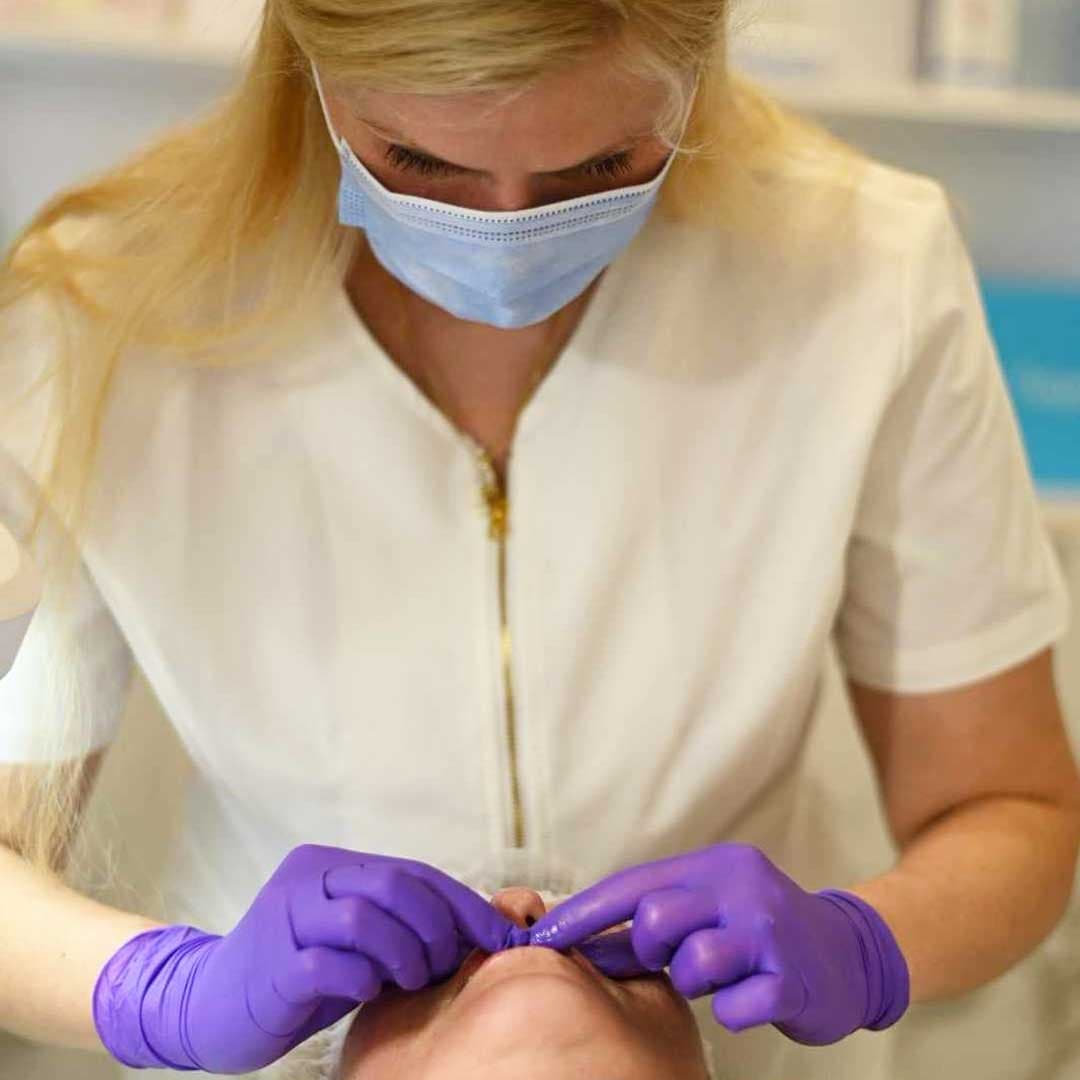
How to Choose a Safe Aesthetic Clinic in Nottinghamshire
Training, insurance, prescribing, consultations, complications plans and England’s planned licensing scheme: a checklist for choosing a safe clinic.
 Magdalena Wasiewicz8 min read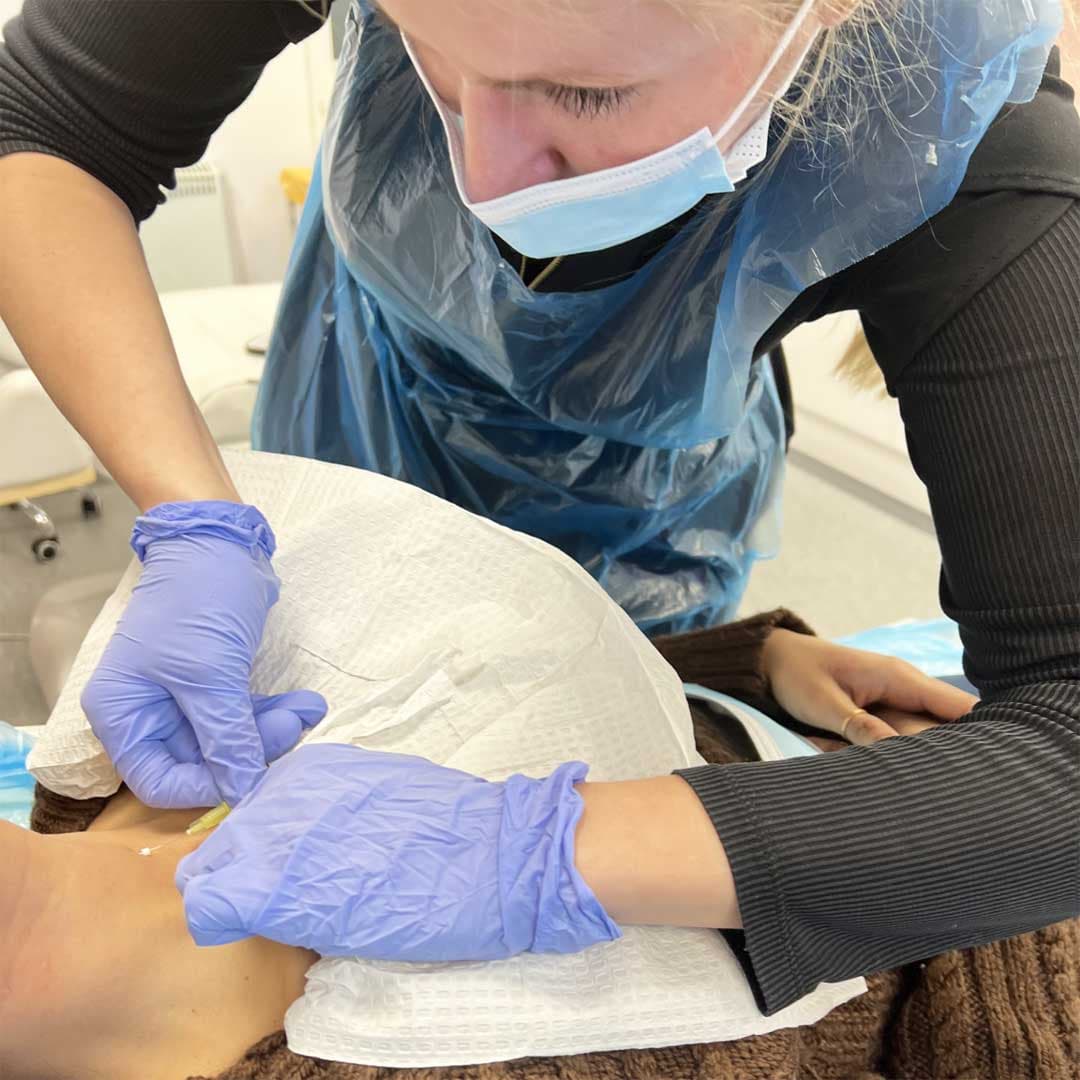
To choose a safe aesthetic clinic in Nottinghamshire, check that the practitioner has treatment-specific training and valid insurance, that prescription-only treatments start with a face-to-face prescriber consultation, and that you get a thorough consultation, time to think, written consent, genuine products and a clear plan if something goes wrong. Convenience and price should come second.
Anti-wrinkle injections, dermal fillers and laser treatments are now offered by clinics, salons and mobile practitioners across Nottingham, Newark, Mansfield and the towns in between. Most practitioners work responsibly. But because regulation in England is still catching up, much of the checking falls to you. This guide explains what to look for, what is changing in the law and the red flags that should make you walk away.
Why does it matter who carries out your treatment?
Non-surgical does not mean without risk. Injectables can cause infection, lumps and, rarely, blocked blood vessels; lasers can burn or change skin colour if the settings or patient selection are wrong. In England, at the time of writing, many of these procedures can legally be carried out by people with very different levels of training, and there is no single licence that tells you someone is competent. The most important safety checks therefore happen before you book.
Is the law changing? England’s planned licensing scheme
Yes, although slowly. The Health and Care Act 2022 gave the government powers to introduce a licensing scheme for non-surgical cosmetic procedures in England. Here is where things stand:
- September–October 2023: the Department of Health and Social Care consulted on how a scheme should work, including sorting procedures into risk-based categories. It received more than 11,800 responses.
- August 2025: the government published its response. It said it would prioritise legislation so that the highest-risk procedures, such as using dermal fillers to augment the breasts, buttocks or genitals, can only be performed by suitably qualified regulated healthcare professionals working for providers registered with the Care Quality Commission (CQC). It also committed to developing local-authority licensing for lower-risk procedures, covering practitioners and premises, and to introducing age restrictions.
- 2026: the government said further public consultation on the detailed proposals would follow.
At the time of writing in September 2026, a licensing scheme for everyday non-surgical treatments is not yet in force, and details such as which treatments fall into which category may still change. Check the GOV.UK consultation page for updates. Until licensing arrives, the checks below are your best protection.
What qualifications should an aesthetic practitioner have?
There is no single required qualification yet, so ask specific questions rather than accepting a general “fully trained”:
- What training have you completed for this particular treatment, who provided it, and did it include supervised hands-on practice?
- How long have you been performing this treatment, and how often do you do it?
- Do you have a healthcare background, or work with a regulated healthcare professional who can prescribe and help manage complications?
- How do you keep your training up to date as techniques and products change?
A confident practitioner will be happy to answer. At Skin Anatomy, founder Magdalena Wasiewicz is fully qualified to the highest level in aesthetic practice, has several years’ experience in aesthetics and is currently studying medicine. You are welcome to ask her about her training for any treatment you are considering.
Does the practitioner have the right insurance?
Ask whether they hold medical malpractice insurance that specifically covers the treatment you are having. Some policies cover certain procedures but not others, so laser or body treatments may need separate cover. The NHS advises checking that a practitioner has the right insurance before any cosmetic procedure, and its guide to what to check before a cosmetic procedure is worth reading.
How should anti-wrinkle injections be prescribed?
Anti-wrinkle injections contain a prescription-only medicine. A qualified prescriber — a regulated healthcare professional with prescribing rights — must assess you face to face before your first treatment, decide it is appropriate and prescribe it for you. Be cautious if:
- the medicine is “prescribed” through a message, online form or quick video call without anyone who can prescribe ever seeing you;
- the person treating you cannot tell you who the prescriber is;
- the product appears without its packaging, or treatment is offered at a suspiciously low price.
The same principle applies to hyaluronidase, the prescription-only medicine used to dissolve hyaluronic acid filler in an emergency. Our guide to your first anti-wrinkle appointment describes a proper consultation in detail.
What do registers and the CQC tell you?
Voluntary registers can help you check a practitioner against published standards. The Joint Council for Cosmetic Practitioners (JCCP) keeps a register of practitioners who meet its education and practice standards, and Save Face runs a register of practitioners assessed against its own standards. Neither is compulsory, so not being listed is not automatically a warning sign — but if someone claims membership, search the register yourself rather than relying on a logo.
CQC registration depends on the type of activity and who provides it, and many non-surgical aesthetic clinics are not currently required to register for everyday cosmetic treatments. It is therefore not, on its own, a reliable way to compare aesthetic clinics yet — although under the government’s plans the highest-risk procedures are set to be restricted to CQC-registered providers.
What should a good consultation include?
- A full medical history, including medicines, allergies, pregnancy and previous treatments.
- An honest discussion of what you want, what is realistic and whether you need treatment at all.
- Your options, including alternatives and the choice of doing nothing.
- Clear information about risks, side effects, downtime and aftercare.
- A clear cost, with no pressure to decide on the day.
- Photographs of your starting point and a written consent form.
- For injectables, confirmation that you are 18 or over. In England it is illegal to give anti-wrinkle injections or dermal fillers for cosmetic purposes to under-18s, under the 2021 law that bans these cosmetic injectables for under-18s in England.
The NHS says you should be offered a cooling-off period after any consultation, and a good clinic will encourage it.
What should the clinic itself be like?
Treatment should take place in a clean, clinical room with wipe-clean surfaces, good lighting and handwashing facilities. Expect gloves, single-use needles opened in front of you, a sharps bin and products taken from sealed, labelled packaging. A responsible practitioner will show you the product and record the batch number in your notes so it can be traced. Your medical history and photographs are health data, so the clinic should also explain in a privacy notice how it keeps them secure.
What happens if something goes wrong?
Serious complications are uncommon, but a safe clinic plans for them. Before treatment, ask:
- Do you have an emergency kit, including medicine for severe allergic reactions, and are you trained to use it?
- For fillers, do you have rapid access to hyaluronidase and a prescriber if a blood vessel is blocked?
- Who do I contact if I am worried after treatment, including evenings and weekends?
- Will I have a follow-up or review, and how do I make a complaint if I need to?
Suspected side effects from medicines or medical devices can also be reported to the MHRA through its Yellow Card scheme.
Red flags that should make you walk away
- Pressure to book or pay on the day, countdown offers or “bring a friend” injectable deals.
- Prescription-only treatment without a face-to-face prescriber consultation.
- No questions about your health, no consent form and no photographs.
- Treatment at home parties, in unsuitable premises, or by someone you cannot contact afterwards.
- Before-and-after photos that look filtered, are obviously stock images or cannot be explained.
- Promises that results are certain or will last forever, or claims that a treatment has no downsides.
- Reluctance to name the product, show the packaging or explain what happens if things go wrong.
- Willingness to treat anyone under 18.
A checklist you can take to any clinic
| Question to ask | Good sign | Red flag |
|---|---|---|
| What training do you have for this treatment? | A specific course, hands-on practice, ongoing learning | Vague answers or a brief online-only course |
| Are you insured for this treatment? | Yes, and they can tell you what the cover includes | Unsure, or “it isn’t needed” |
| Who prescribes, and when will I see them? | A named prescriber, face to face, before treatment | Remote “prescribing” or no clear answer |
| Can I think about it? | Encouraged, with written information | A discount only if you book today |
| Which product will you use? | Named, shown in sealed packaging, batch recorded | Unbranded or of unknown origin |
| What if something goes wrong? | A clear plan, emergency kit and aftercare contact | “That never happens” |
| Are these before-and-after photos your own? | Genuine clinic photos, labelled that results vary | Stock or heavily edited images |
Travelling from Nottingham, Newark or Mansfield?
It is natural to start by searching for the nearest clinic or the lowest price. But a slightly longer journey is a small cost for a practitioner you trust, and putting safety first usually leads to better results too. Southwell sits between Nottingham, Mansfield and Newark-on-Trent; our Nottingham page has more on getting to us.
How we approach safety at Skin Anatomy
We encourage you to put every clinic you are considering — including us — through the checks above. Here is how we work:
- Free consultations, with time to think and no obligation to book.
- Adults only: every treatment we offer is for clients aged 18 and over.
- A face-to-face consultation with a prescriber before a first anti-wrinkle treatment.
- Honest briefings on downtime and recovery, something clients often mention in their reviews.
- Only our own genuine before-and-after images, labelled that individual results vary.
- A 5.0 Google rating from 29 reviews as of September 2026, which you can read on our reviews page.
You can find out more about Skin Anatomy and why Magdalena founded the clinic.
Book a free consultation
If you would like to talk through a treatment and ask us any of the questions in this guide, book a free consultation at 17 Queen Street, Southwell. We will answer honestly, including telling you if we think a treatment isn’t right for you.
This article is general information, not legal or medical advice, and reflects the position at the time of writing in September 2026. Individual results vary. All treatments at Skin Anatomy are for adults aged 18 and over.
This article is general information, not personal medical advice. Treatments are for adults aged 18 and over, suitability is assessed at a consultation, and individual results vary. If you have a new or changing mole, or any skin symptom that worries you, please see your GP.
Book an Appointment
It's easy — and consultations are free.
Questions Answered
Do aesthetic practitioners in England need a licence?
Do aesthetic clinics have to be registered with the CQC?
What are the JCCP and Save Face?
Can I have anti-wrinkle injections without seeing a prescriber?
What should I do if something goes wrong after an aesthetic treatment?
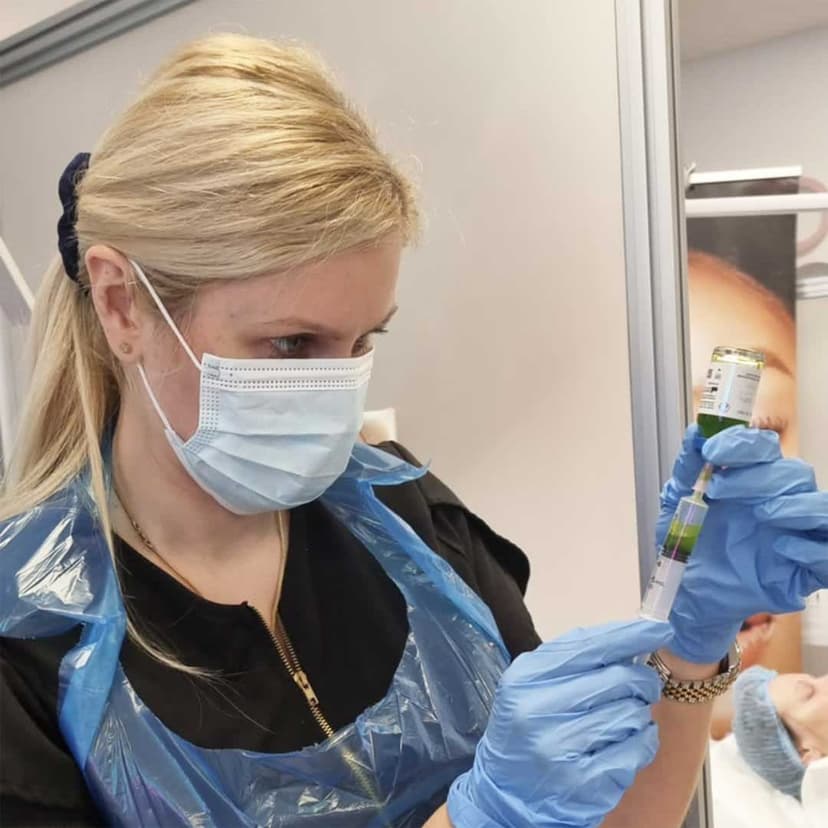
Magdalena Wasiewicz
Founder & Lead Aesthetic Practitioner
Founder of Skin Anatomy, fully qualified to the highest level in aesthetic practice and currently studying medicine.
Open Profile