Tattoo Removal
- Tattoo removal – small (up to 5cm)From £60
- Tattoo removal – medium (up to 10cm)From £90
- Tattoo removal – largeFrom £150
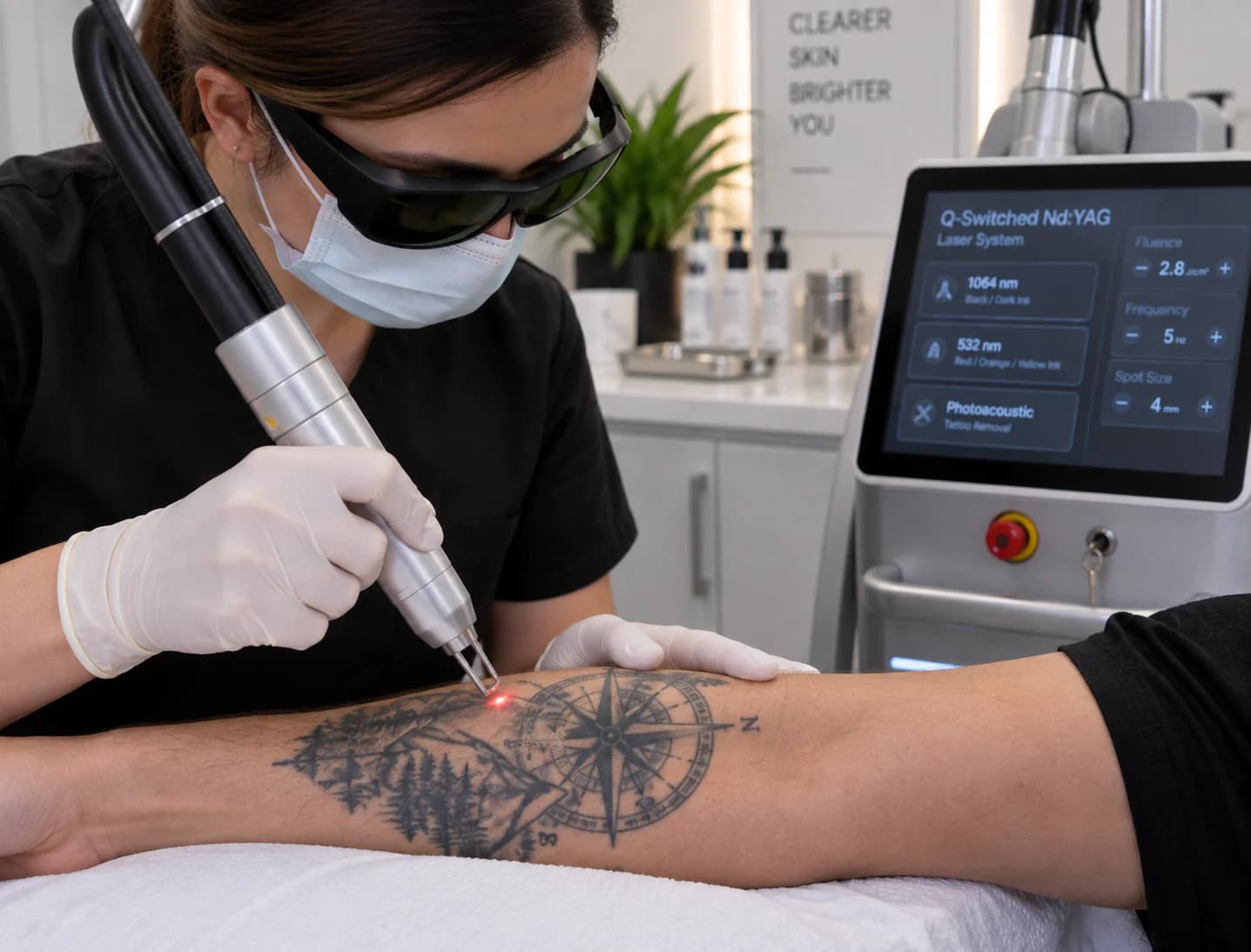
Laser tattoo removal is a treatment that uses short, high-intensity pulses of laser light to shatter tattoo ink into tiny fragments, which the body's immune system then clears over the following weeks. At Skin Anatomy in Southwell, Nottinghamshire, we fade unwanted tattoos over a course of sessions, starting with a free consultation and patch test.
Tastes change, relationships end and old designs blur or fade unevenly. Whether a tattoo no longer reflects who you are, affects your confidence at work, or needs lightening so a tattoo artist can create a better cover-up, laser tattoo removal is a well-established, non-surgical way to fade ink. At Skin Anatomy we take time to understand what you want to achieve, because a plan for maximum fading is very different from a plan for a cover-up.
Tattoo ink sits in the dermis as particles far too large for the body to remove on its own, which is why tattoos last. When laser light is absorbed by the ink, the particles heat up and shatter into much smaller fragments, a process known as photothermolysis. Macrophages, the immune cells that clear debris from the body, can then engulf these fragments and carry them away. That clearance happens gradually, which is why the tattoo keeps fading in the weeks after each session.
Colour makes a big difference. Black ink absorbs all laser wavelengths, so it is the easiest to treat. Other colours only absorb specific wavelengths, and shades such as green, blue and yellow can be stubborn. The number of sessions also depends on the size of the tattoo, how densely and deeply the ink was placed, how old it is, where it is on the body, your skin type and whether it was done professionally or by an amateur. Tattoos on the hands, lower legs and feet often clear more slowly.
We are honest from the start: complete removal is not always possible, and some tattoos fade significantly but leave a faint shadow. Most tattoos need multiple sessions spaced several weeks apart to let your skin heal and your body clear the ink, and we photograph your tattoo at each visit so you can see progress. Clients come to our Southwell clinic from Nottingham, Newark-on-Trent, Mansfield and across Nottinghamshire.
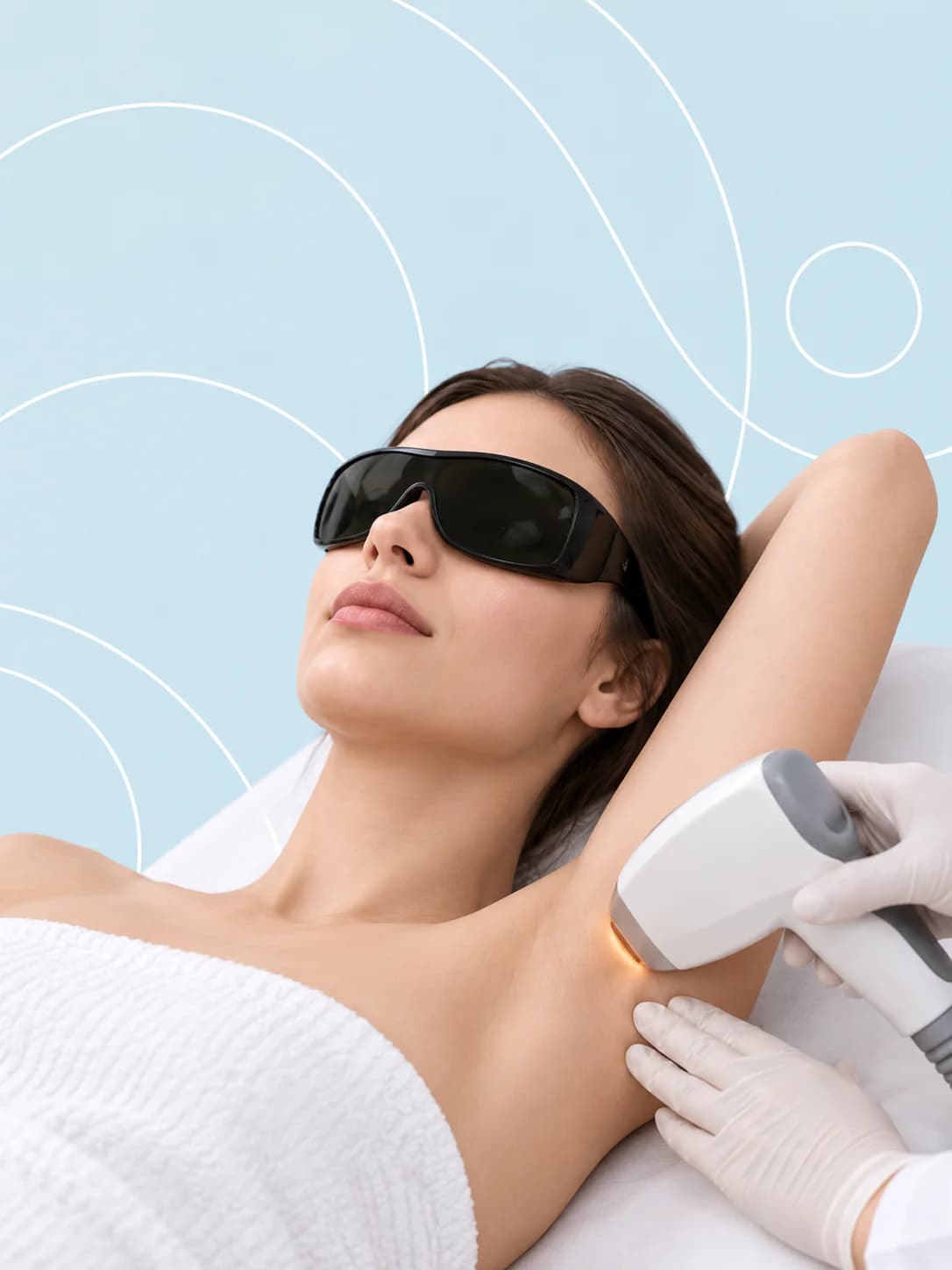
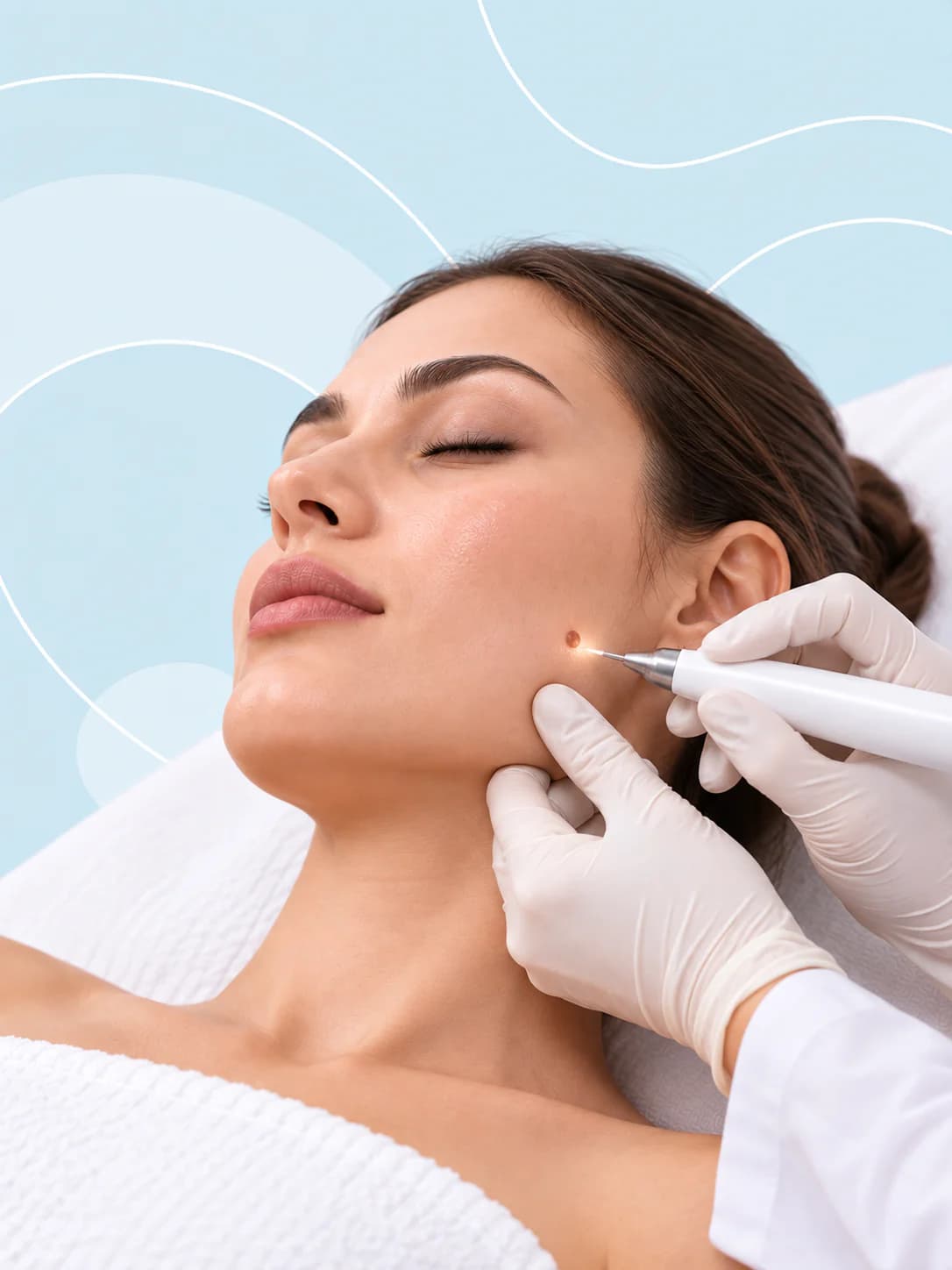
We clean the area, fit protective eyewear and check the result of your patch test. The laser handpiece is then passed methodically over the tattoo, delivering rapid pulses of light. Treated ink often turns white for a few minutes, known as frosting, as gas is released in the skin; this is normal and fades. A small tattoo can be treated in a matter of minutes. We then cool the area, apply a soothing ointment and cover it with a dressing.
Laser removal fades tattoos without cutting the skin, and the surrounding skin is largely spared because the light targets the ink. It can significantly lighten a tattoo and, in some cases, clear it, lighten an old design enough for a cleaner cover-up, or target part of a design such as a name. Each session is short, you can return to normal activities straight away, and because progress is gradual there is time to decide whether you want maximum fading or just enough for a cover-up.
Redness, swelling, pinpoint bleeding and tenderness are common straight after treatment. Blisters and scabs often form over the following days, and the area can be itchy while healing. The skin may temporarily lighten or darken, especially in deeper skin tones, and changes in texture can occur. Scarring is rare but more likely if blisters are picked or you are prone to keloids. Cosmetic, white and skin-tone inks can darken when treated, so these are tested carefully first. Complete removal is not always possible.
Most people return to work and normal activities the same day. Keep the area clean, dry and covered as advised for the first few days. Blisters and scabs usually settle within one to two weeks; do not pick or burst them. Avoid swimming, saunas, hot tubs and long hot baths until the skin has fully healed, and protect the area from the sun with clothing or SPF50. Ink continues to fade for several weeks after each session, which is why treatments are spaced apart.
Contact the clinic if the treated area becomes increasingly painful, hot or swollen after the first 48 hours, weeps pus, develops spreading redness or has not healed after two weeks. Please also get in touch if you notice a change in skin colour or texture, or if ink appears to darken rather than fade. If you feel feverish or unwell with signs of infection outside clinic hours, contact NHS 111 or your GP.
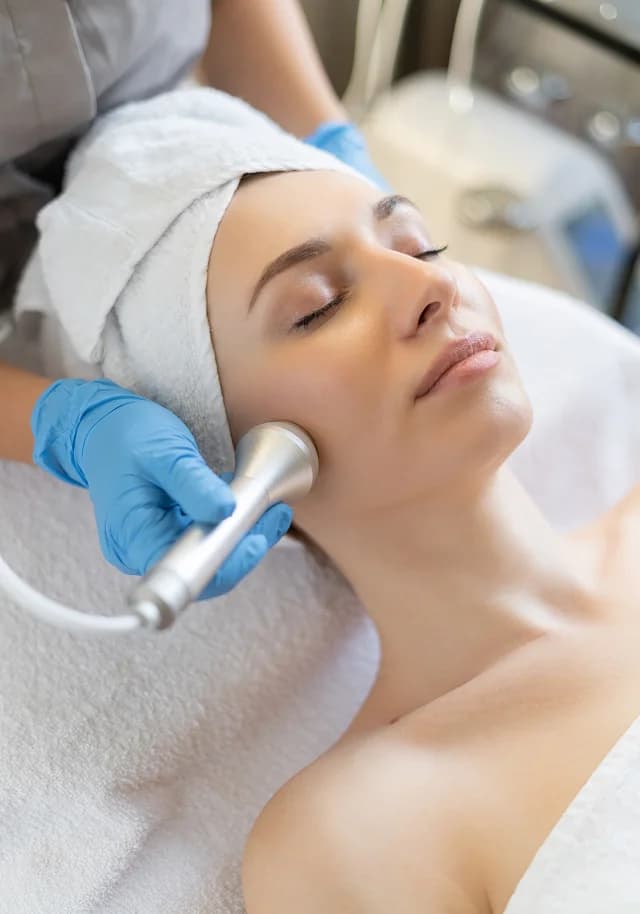

Treatments are for adults aged 18 and over. We check your medical history at your consultation and will always tell you honestly if a treatment isn’t right for you.
We confirm which areas are suitable for you at your free consultation.
We look at your tattoo's size, colours, age and location, discuss whether you want maximum fading or lightening for a cover-up, and check your medical history. A free patch test on a small section shows how your skin and ink respond, so we can set realistic expectations about the number of sessions.
Keep the area out of the sun and avoid sunbeds and fake tan for several weeks before treatment. Arrive with clean skin free of lotions, let us know about any new medication, and wear loose clothing that gives easy access to the tattoo and will not rub afterwards.
Protective eyewear is fitted and the laser is passed over the tattoo in controlled pulses. Most clients describe it as the snap of a rubber band with some warmth, and the ink may frost white briefly. We cool the skin, apply a soothing ointment and dressing, and go through your aftercare.
Over the following weeks your immune system clears the shattered ink and your skin heals. We book your next session several weeks later, once the area has fully recovered, and photograph progress at every visit. We continue until you reach your goal or no further meaningful improvement is likely.
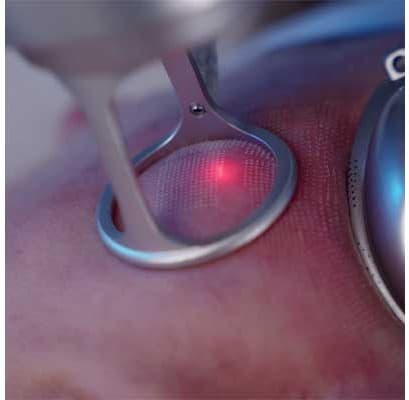
Tattoo removal lasers deliver very short, high-energy pulses of light that are absorbed by ink particles in the skin. The rapid heating shatters the ink into fragments small enough for macrophages, the body's clean-up cells, to remove naturally over the following weeks. Different ink colours absorb different wavelengths, so settings are chosen to suit your tattoo. Because the energy is aimed at the ink, the surrounding skin is largely spared, and the tattoo fades progressively with each session.
Every treatment starts with a free, no-obligation consultation. Prices include VAT; where a price is shown as “from”, your exact cost depends on your assessment and is confirmed before you book.
Rated 5.0 from 29 reviews on Google

“I recently went to Skin Anatomy for CO2 fractional laser and the E50 exosomes, and honestly, the whole experience was brilliant. Both Harper and Magdalena were so professional but genuinely friendly with it. What I really…”

“Exceptional practitioner with an incredible eye for facial balance and natural aesthetics. I’ve had [anti-wrinkle treatment] treatments with Magdalena for many years, and recently I had lip filler as well. What stood out most was…”

“I had the laser treatment on my face, neck and chest last Tuesday. I am still healing as I braved going for an high level treatment. I am already seeing a big difference and I am very happy with the results. I was made to feel at…”

“I had my co2 laser treatment a few weeks ago with Magdalena and I'm so happy I went with her. She's very knowledgeable and she and Harper answered all my questions, no problem. The treatment was quicker than I expected and after…”

“I had a polynucleotide treatment around my eyes and my face. Magda was extremely thorough and very gentle and the results are amazing, my skin looks glowing. I am so pleased and will definitely be returning!”

“Magdalena is very professional, knowledgeable and very good at what she does! Highly recommend! I had a C02 laser treatment done with her and I think it’s the best thing I’ve ever done!! Thank you so much Magdalena xx”
Some reviews have been lightly edited, shown in square brackets, to meet UK advertising rules on prescription-only medicines.
Most side effects are mild and settle on their own. We explain every risk at your consultation and give you written aftercare. If you are worried after treatment, call us on 07777 711 277; for anything urgent, contact NHS 111, or 999 in an emergency.
Skin Anatomy is at 17 Queen Street, Southwell, Nottinghamshire NG25 0AA, around 30 minutes from Nottingham, 15 minutes from Newark-on-Trent and 25 minutes from Mansfield by car (approximate). Clients visit us for Tattoo Removal from Southwell and the surrounding villages, as well as Nottingham, Newark-on-Trent, Mansfield, Bingham and Ollerton. Find travel and parking tips for your town: