Laser Hair Removal
- Upper lip or chin£50
- Full face£90
- Underarms£60
- Bikini line£70
- Brazilian / Hollywood£90
- Half legs£130
- Full legs£220
- Back or chest£150
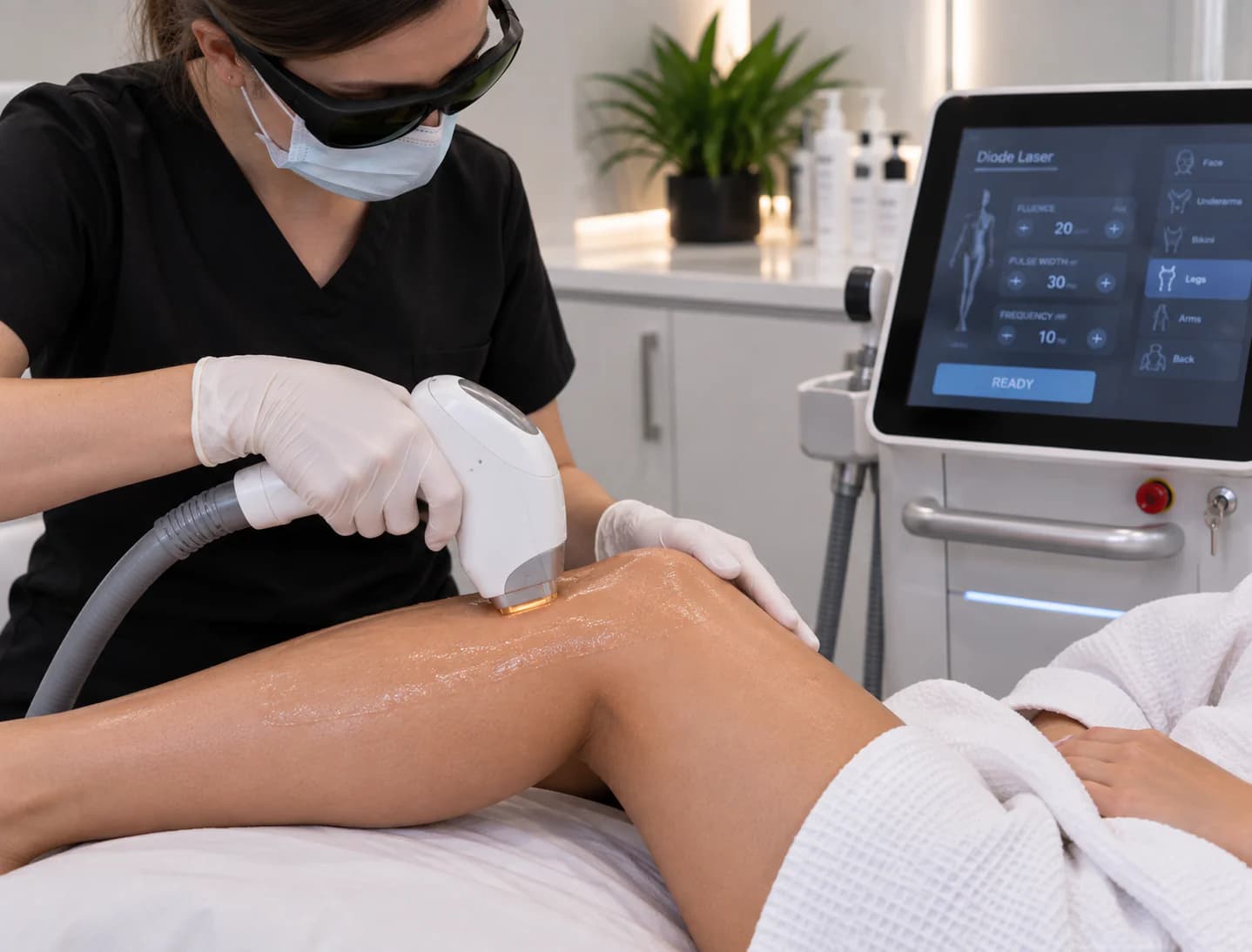
Laser hair removal is a treatment that uses focused laser light to heat and disable hair follicles, reducing regrowth over a course of sessions. At Skin Anatomy in Southwell, Nottinghamshire, we use diode laser technology for long-term hair reduction on the face and body, starting with a free consultation and patch test.
Shaving, waxing, threading and epilating all deal with hair at or just below the surface, so it keeps coming back — often with stubble, rashes and painful ingrown hairs along the way. Laser hair removal targets the follicle itself. Over a course of treatments, most clients see a significant, long-term reduction in the amount of hair that grows back, and the hair that does return is often finer and lighter. Women and men come to our Southwell clinic for smoother skin and far less time spent on hair removal.
The science is called selective photothermolysis. Our diode laser emits a single, focused wavelength of light that is absorbed by melanin, the pigment in the hair. The light turns into heat inside the follicle, and when the base of the follicle and the stem cells that drive regrowth are heated sufficiently, the follicle's ability to grow new hair is disabled, while the surrounding skin is spared. This is why the contrast between hair and skin colour matters, and why a careful assessment comes first.
Hair grows in cycles, and the laser is only effective on hairs in the active growth phase. At any one time only a proportion of follicles are in that phase, so a course of treatments spaced several weeks apart is needed to catch each follicle at the right moment. Most clients need around six to eight sessions for a body area. Facial hair, and hair influenced by hormones such as with polycystic ovary syndrome (PCOS), can need more sessions and occasional maintenance.
Laser hair removal works best on dark hair. White, grey, red and very fair hair contains little or no melanin, so it does not respond well, and we will tell you honestly at consultation if laser is unlikely to work for you. Every client has a free patch test before their first full treatment so we can check how the skin responds and choose the right settings.
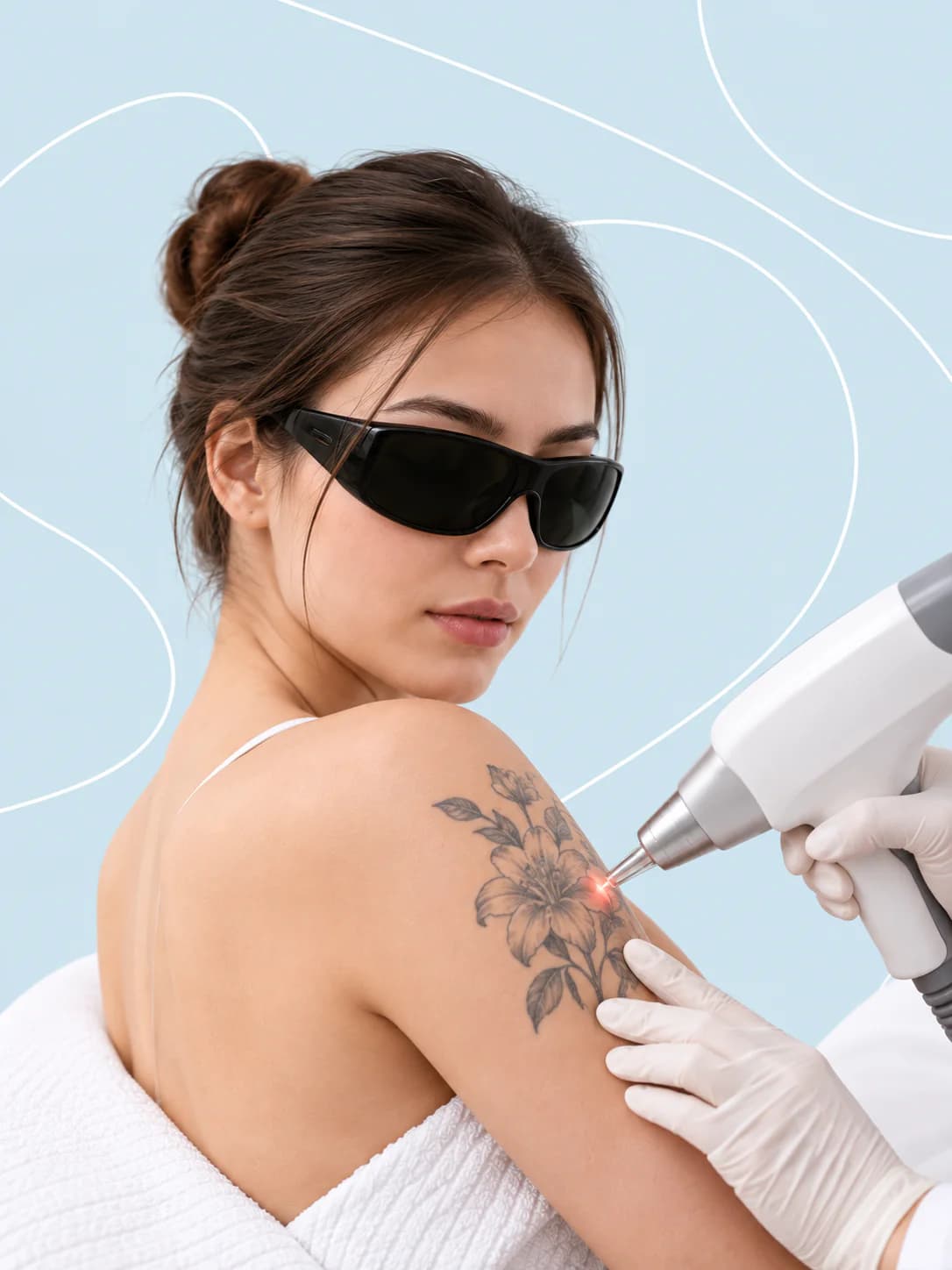
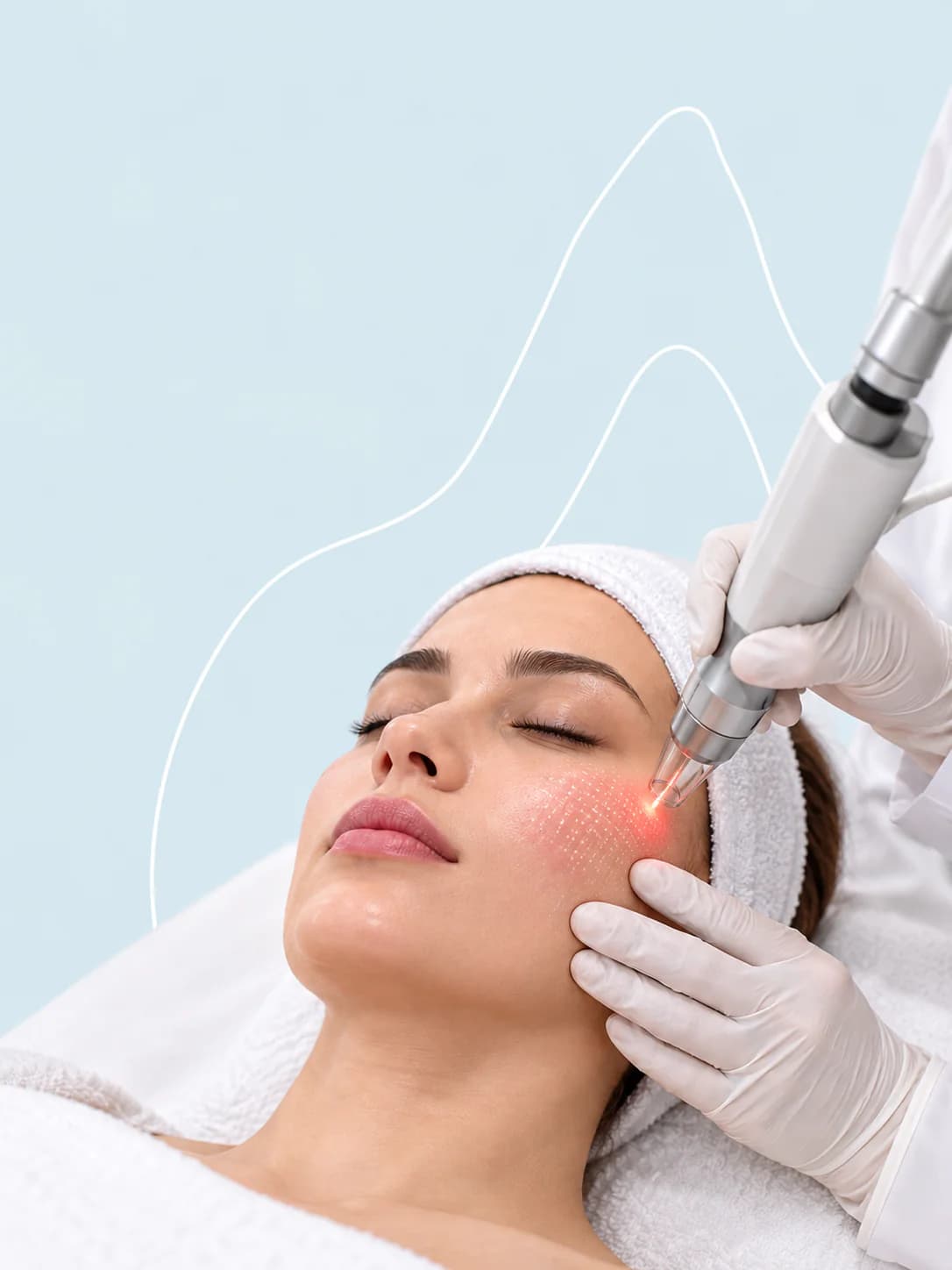
The area is shaved beforehand so the laser energy travels into the follicle rather than burning hair on the surface. We check the skin, fit protective eyewear and select settings for your skin type and hair. The handpiece is then glided over the skin in careful, overlapping passes, delivering rapid pulses of light. Small areas such as the upper lip take a few minutes; larger areas such as full legs take longer. Afterwards a soothing gel is applied, and any redness usually settles within hours.
Laser hair removal offers long-term reduction of unwanted hair rather than temporary removal. Most clients find they need to shave or wax far less often after a course. It can significantly reduce ingrown hairs, razor bumps and shaving rash, and leaves skin smoother. Sessions are quick, there is no need to grow hair out between appointments as there is with waxing, and it can be used on most areas of the face and body for women and men.
Redness and small raised bumps around the follicles are common and usually settle within a few hours to a day or two, and the skin may feel warm, like mild sunburn. Less commonly, the skin can temporarily darken or lighten, particularly if it has been exposed to the sun. Blistering, crusting or burns are rare and more likely on tanned skin. Very rarely, laser can trigger increased hair growth in nearby areas, known as paradoxical hair growth. A patch test and careful settings help reduce these risks.
There is no real downtime and you can return to work straight away. Avoid hot baths, saunas, steam rooms, swimming pools and intense exercise for 24–48 hours, as heat and sweat can irritate treated follicles. Treated hairs may appear to keep growing for one to three weeks before they shed; this is normal, so let them fall out naturally and shave rather than pluck or wax. Protect treated skin from the sun and avoid fake tan until any redness has gone.
Get in touch with the clinic if you develop blisters, crusting, significant swelling or redness that lasts longer than a couple of days, or any area that feels like a burn. Let us know too if you notice patches of lighter or darker skin, or unexpected new hair growth, so we can review your treatment. If you have a burn outside clinic hours, cool it under cool running water for 20 minutes and seek advice from NHS 111.

Treatments are for adults aged 18 and over. We check your medical history at your consultation and will always tell you honestly if a treatment isn’t right for you.
We confirm which areas are suitable for you at your free consultation.
We discuss the areas you want treated, check your medical history and medication, and look at your hair colour and skin type to confirm laser is likely to work. A free patch test on a small area lets us check how your skin responds before your first full session.
Shave the area 24 hours before your appointment. Avoid waxing, plucking, threading and epilating for about four weeks beforehand, as the laser needs the hair root in place. Stay out of the sun and sunbeds, and avoid fake tan, in the weeks before each session.
Arrive with clean skin, free of creams, deodorant or make-up on the area. We fit protective eyewear and glide the laser handpiece over the skin in careful passes. Most clients describe a warm snapping sensation. Afterwards we apply a soothing gel and remind you of your aftercare.
Sessions are spaced several weeks apart, timed around your hair growth cycle and the area being treated, and most clients have around six to eight. We track your progress at each visit, adjust settings as needed and discuss occasional maintenance sessions, which some areas and hormone-related hair growth may need.
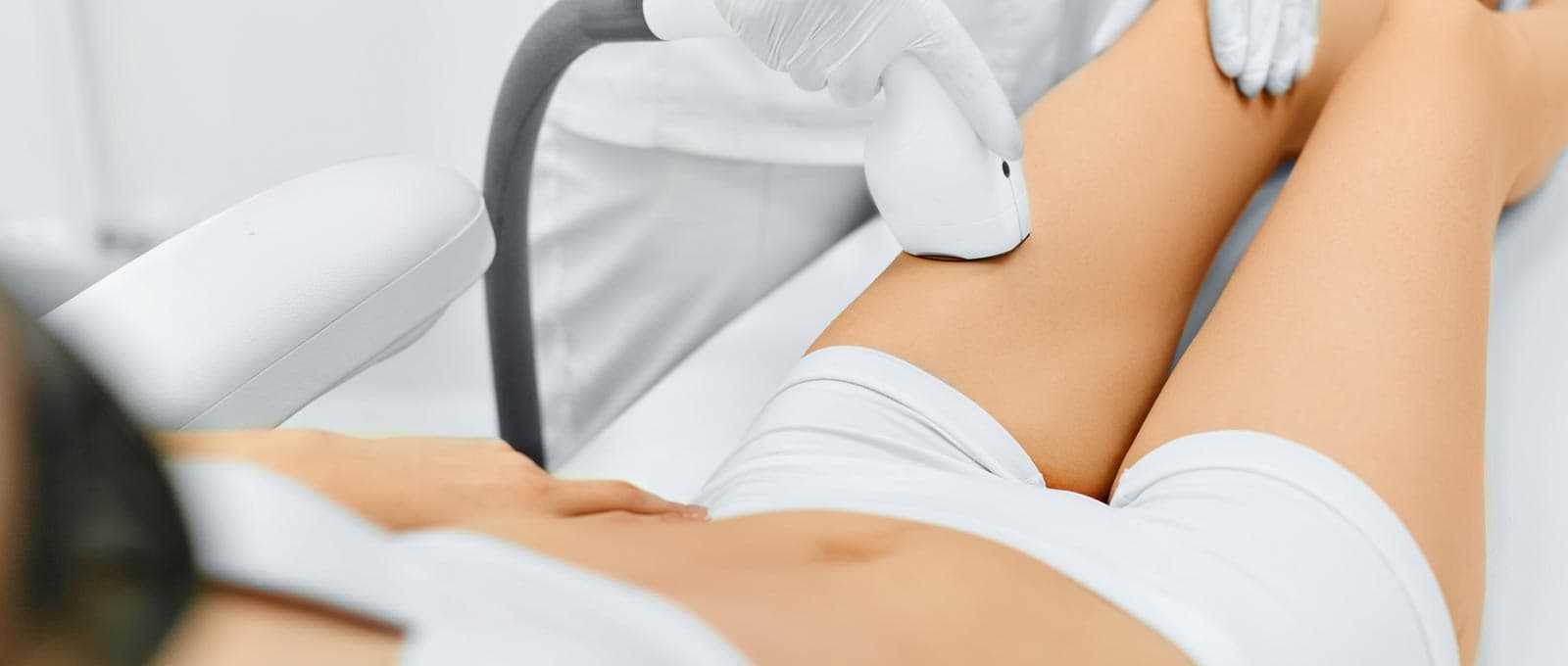
Diode lasers emit a single, focused wavelength of light that is readily absorbed by the melanin in the hair shaft and follicle. That energy becomes heat, which travels down the hair to damage the structures responsible for regrowth while the surrounding skin is spared. Diode technology is widely used for laser hair removal because it reaches the depth of the hair root effectively and its settings can be adjusted for different skin types and hair thicknesses, from finer facial hair to coarse body hair.
Every treatment starts with a free, no-obligation consultation. Prices include VAT; where a price is shown as “from”, your exact cost depends on your assessment and is confirmed before you book.
Rated 5.0 from 29 reviews on Google

“I recently went to Skin Anatomy for CO2 fractional laser and the E50 exosomes, and honestly, the whole experience was brilliant. Both Harper and Magdalena were so professional but genuinely friendly with it. What I really…”

“Exceptional practitioner with an incredible eye for facial balance and natural aesthetics. I’ve had [anti-wrinkle treatment] treatments with Magdalena for many years, and recently I had lip filler as well. What stood out most was…”

“I had the laser treatment on my face, neck and chest last Tuesday. I am still healing as I braved going for an high level treatment. I am already seeing a big difference and I am very happy with the results. I was made to feel at…”

“I had my co2 laser treatment a few weeks ago with Magdalena and I'm so happy I went with her. She's very knowledgeable and she and Harper answered all my questions, no problem. The treatment was quicker than I expected and after…”

“I had a polynucleotide treatment around my eyes and my face. Magda was extremely thorough and very gentle and the results are amazing, my skin looks glowing. I am so pleased and will definitely be returning!”

“Magdalena is very professional, knowledgeable and very good at what she does! Highly recommend! I had a C02 laser treatment done with her and I think it’s the best thing I’ve ever done!! Thank you so much Magdalena xx”
Some reviews have been lightly edited, shown in square brackets, to meet UK advertising rules on prescription-only medicines.
Most side effects are mild and settle on their own. We explain every risk at your consultation and give you written aftercare. If you are worried after treatment, call us on 07777 711 277; for anything urgent, contact NHS 111, or 999 in an emergency.
Skin Anatomy is at 17 Queen Street, Southwell, Nottinghamshire NG25 0AA, around 30 minutes from Nottingham, 15 minutes from Newark-on-Trent and 25 minutes from Mansfield by car (approximate). Clients visit us for Laser Hair Removal from Southwell and the surrounding villages, as well as Nottingham, Newark-on-Trent, Mansfield, Bingham and Ollerton. Find travel and parking tips for your town: