View Details
Skin concern
Acne Scars
Acne may have cleared, but the marks it left behind can linger for years. At Skin Anatomy in Southwell we use SmartXEL CO2 fractional laser and regenerative treatments to soften rolling, boxcar and ice-pick scars and rebuild smoother, stronger skin.
Understanding acne scars
In short
Acne scars form when deep inflammation from spots damages the collagen beneath the skin, leaving indented or raised marks as it heals. They can be significantly softened, though rarely erased, with SmartXEL CO2 fractional laser resurfacing, supported by E50 exosomes and polynucleotides. Skin Anatomy in Southwell offers free consultations to plan a course that suits your scars.
Acne scars come in several forms, and most people have a mix. Rolling scars are broad, shallow dips that give skin an uneven, wavy look. Boxcar scars are wider depressions with sharper edges, while ice-pick scars are narrow and deep, like large open pores. Some people develop raised scars instead, and many are left with red or brown marks, known as post-inflammatory erythema or hyperpigmentation, which are discolouration rather than true scarring and often behave differently.
Scarring happens when a spot inflames the deeper layer of the skin, the dermis. As the body repairs that damage, it either lays down too little collagen, leaving an indentation, or occasionally too much, creating a raised scar. Deep, cystic or long-lasting acne, picking or squeezing spots, delayed treatment and genetics all increase the risk. Over time, natural collagen loss with age can make existing scars look deeper, which is why scars that were barely noticeable at twenty may stand out more at forty.
With the right plan, most clients see a clear, visible improvement in texture and depth, but it is honest to say that acne scars are rarely removed completely. Scar treatment is a gradual process: collagen takes months to rebuild, and a course of three to five CO2 laser sessions spaced several weeks apart is typical for scarring. At your free consultation in Southwell we look closely at your scar types, skin tone and lifestyle, explain realistic outcomes and agree a plan before any treatment begins.

What causes acne scars?
- Deep, inflamed or cystic acne that reaches the dermis
- Picking, squeezing or popping spots
- Delayed or inconsistent treatment of active acne
- A genetic tendency to scar
- Collagen loss with age making existing scars look deeper
- Sun exposure darkening marks and slowing healing
Everyone’s skin is different. At your free consultation we look at the likely causes of your concern, and your medical history, before recommending anything.
How we can help
Treatments for acne scars
Many clients get the best results from a combination of treatments. We recommend a plan only after a free, no-obligation consultation — and we will tell you honestly what improvement is realistic.
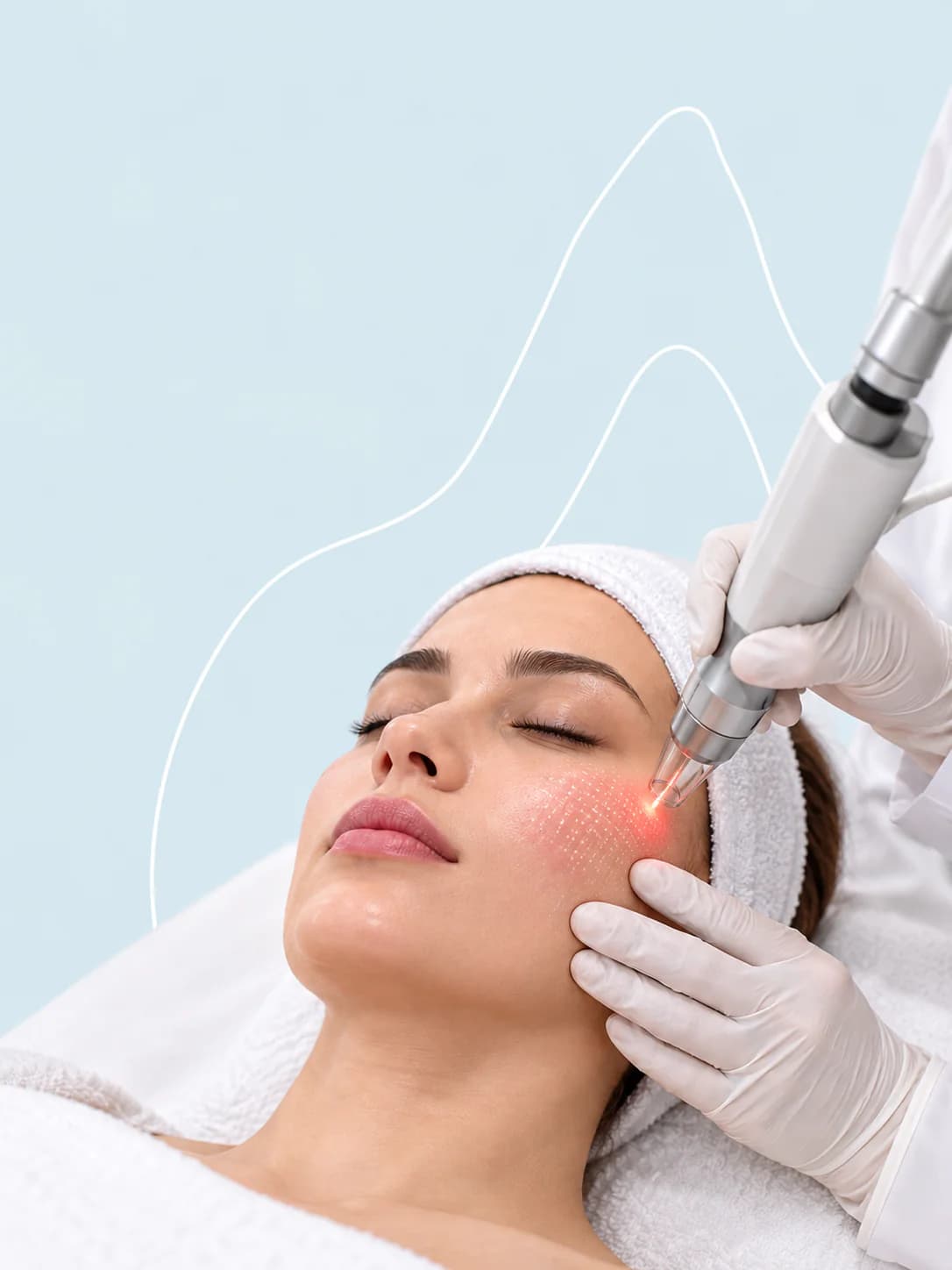
SmartXEL CO2 fractional laser is our main treatment for acne scarring. The first pulse creates thousands of microscopic channels that resurface the outer skin and break down scar tissue; the second pulse heats the dermis so fibroblasts produce new collagen that gradually lifts indented scars. Most clients with scarring need three to five sessions several weeks apart, with around seven to ten days of social downtime after each and continued improvement for two to three months.
View Details
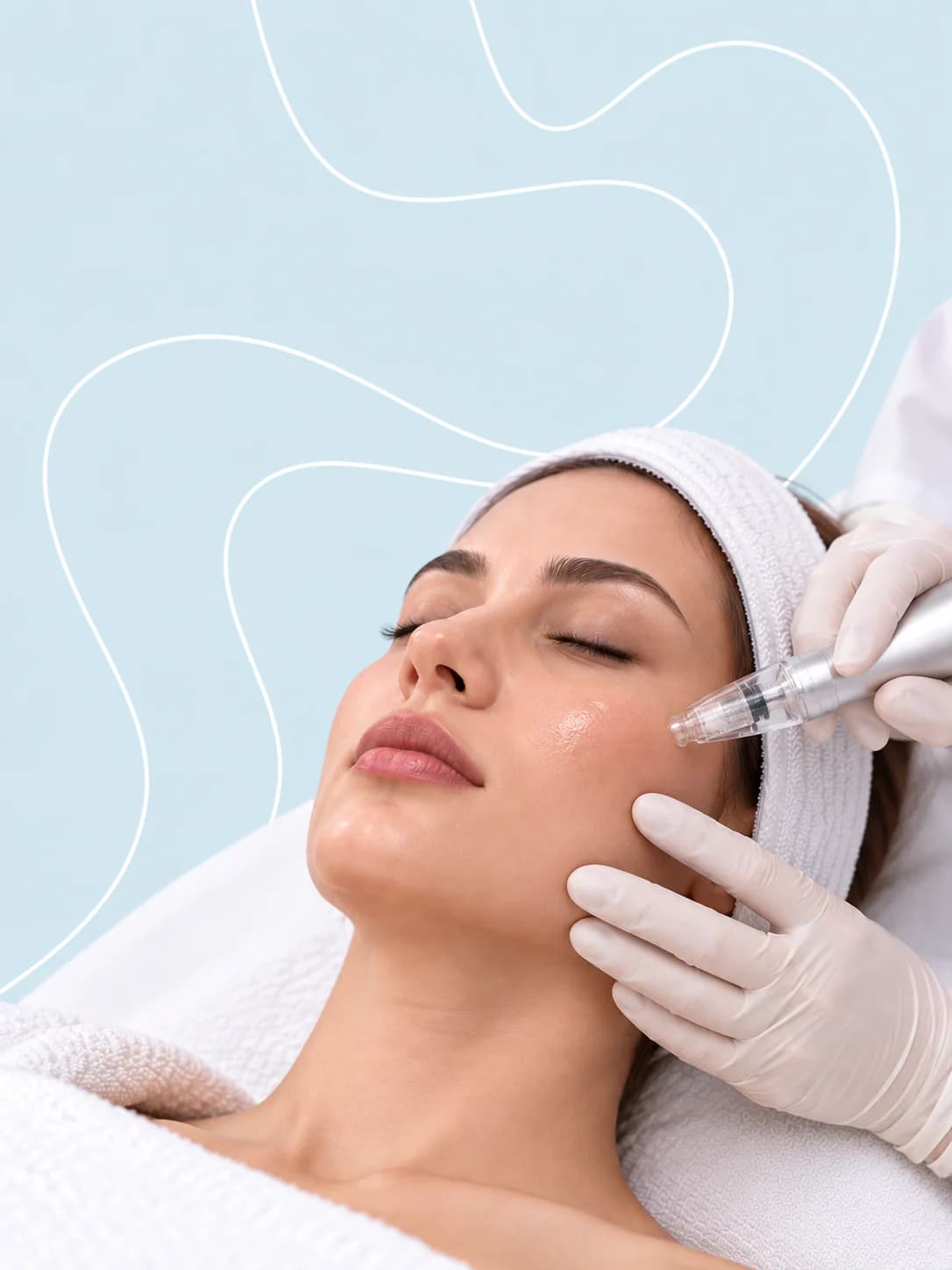
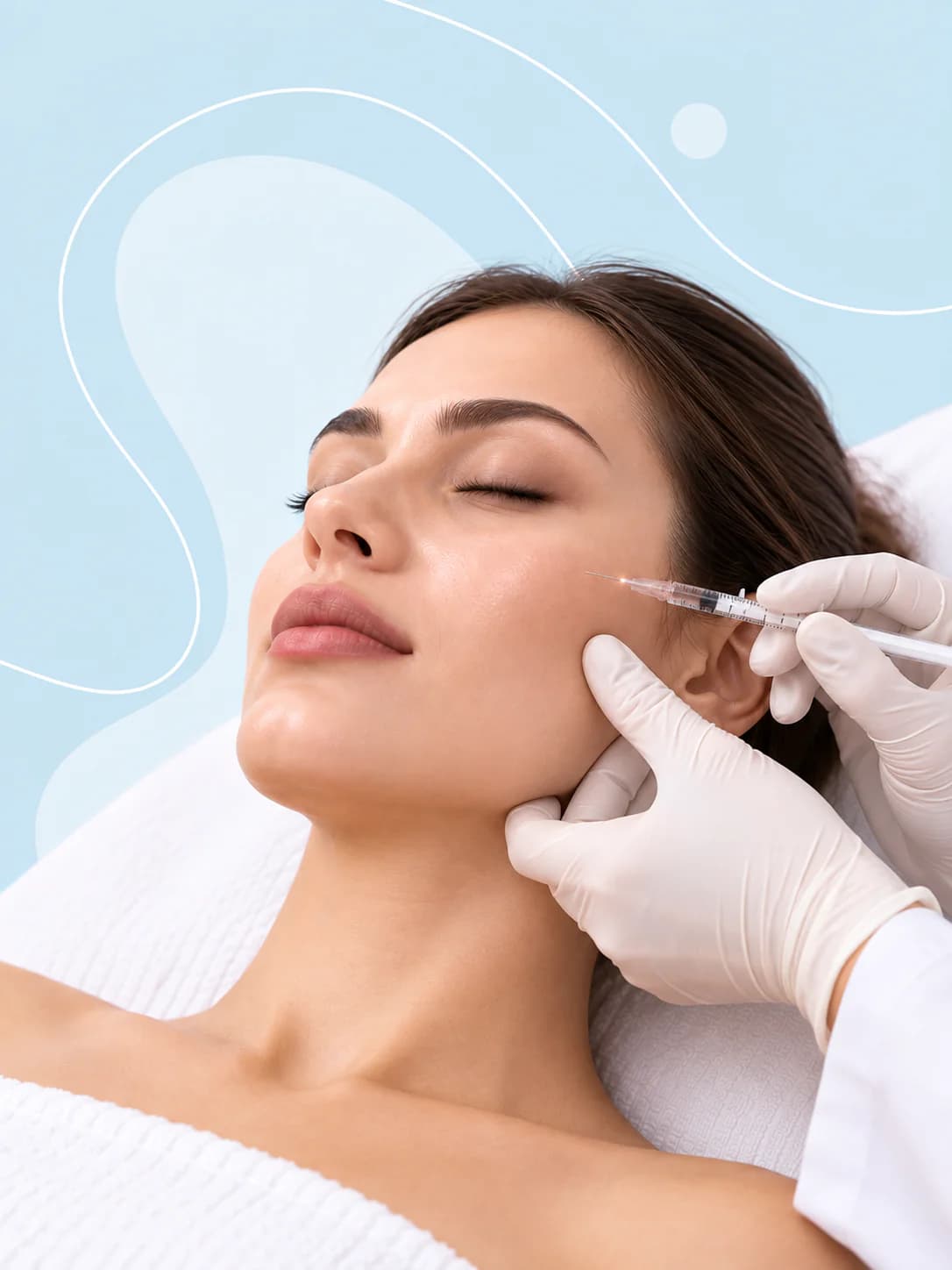
E50 exosomes can be applied straight after CO2 laser or microneedling, while the micro-channels are open. Exosomes carry proteins, lipids and nucleic acids involved in cell-to-cell signalling, and the manufacturer reports they support regeneration and calm inflammation. For scar clients this means a skin-recovery boost rather than a standalone scar treatment. Evidence is still emerging and results vary, so we recommend exosomes as an add-on where they are likely to help your healing.
View Details
Polynucleotides are purified DNA fragments, usually derived from salmon or trout, injected into the skin to support repair and improve its thickness and elasticity. For acne scarring they are best used to strengthen thin, damaged skin between laser sessions or in areas where resurfacing is not suitable. A course of three treatments a few weeks apart is typical, and improvement is subtle and gradual, so we see them as a supporting treatment rather than a replacement for laser.
See the results
Before & After
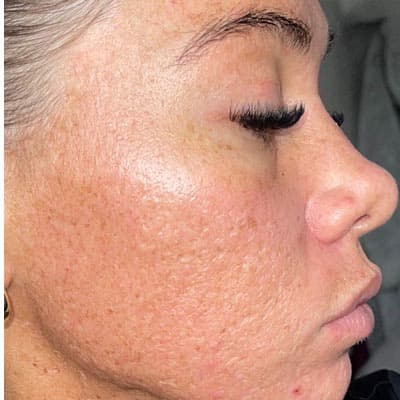
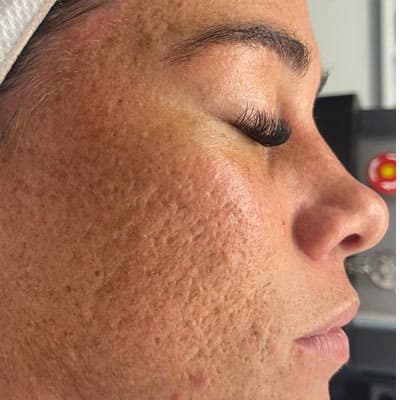
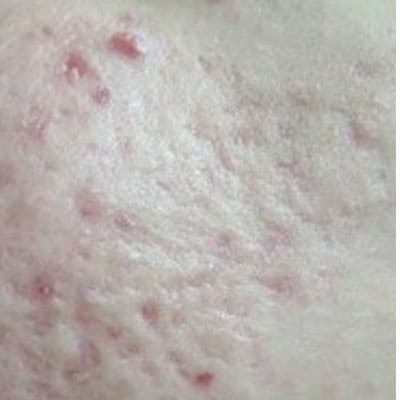
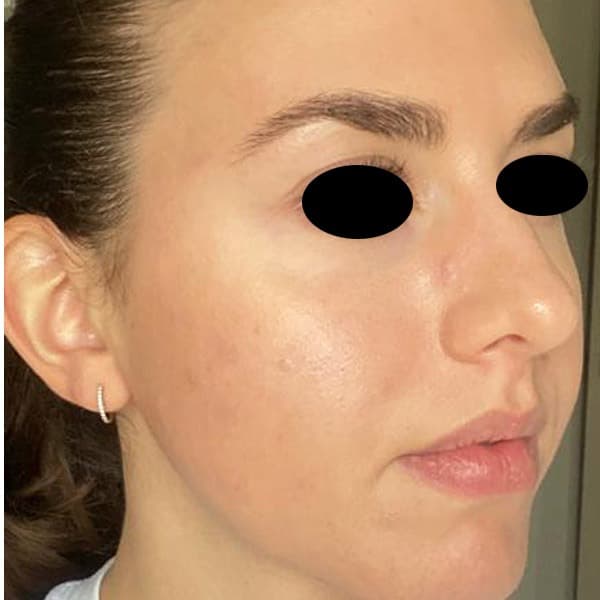
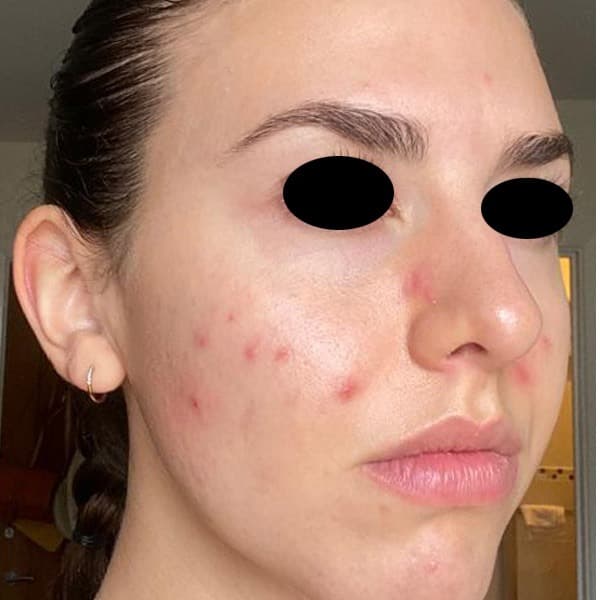
Unretouched before and after photos of treatment at Skin Anatomy. Drag the handle to compare — individual results vary.
At home
Self-care tips
Simple habits that support your skin alongside — or before — any treatment for acne scars.
- Treat active breakouts early and avoid picking or squeezing spots
- Wear a broad-spectrum SPF50 every day, as sun darkens marks and slows healing
- Use gentle, non-comedogenic cleansers and moisturisers
- Introduce retinoids or acids slowly, and pause them before laser if advised
- Avoid harsh scrubs, which inflame skin rather than smooth scars
- Be patient: collagen remodelling continues for months after treatment
Have a question?
Acne Scars: your questions answered
Can acne scars be removed completely?
Acne scars are rarely removed completely, but most can be significantly improved. Fractional CO2 laser rebuilds collagen beneath indented scars so they become shallower and skin looks smoother. How much improvement you see depends on scar type, depth, skin tone and how many sessions you have. We explain realistic outcomes at your free consultation.
How many CO2 laser sessions will I need for acne scars?
Most people with acne scarring need three to five SmartXEL CO2 laser sessions. Sessions are spaced several weeks apart to let the skin heal and collagen build. Milder texture may respond to fewer sessions, while deep rolling or boxcar scars usually need a full course. Final results develop over two to three months after your last treatment.
What is the downtime after laser for acne scars?
Expect around seven to ten days of visible recovery. Your skin looks red, like sunburn, for the first one to three days, feels rough like fine sandpaper on days four to six as it flakes, and reveals fresh skin by days seven to ten. Most clients return to normal activities within one to two days.
Which type of acne scar responds best to treatment?
Rolling and shallow boxcar scars usually respond best to fractional CO2 laser. Deep ice-pick scars are more stubborn and often improve less, while red or brown post-acne marks are discolouration rather than true scarring and may need different care. We assess each scar type at consultation and tailor the plan accordingly.
Can I have acne scar treatment while I still get spots?
It is best to get active acne under control before starting scar treatment. Laser over inflamed breakouts can cause irritation, and new spots may create new scars. Your GP or pharmacist can help with active acne. If you have taken isotretinoin, tell us, as we usually wait for a period after you finish before laser.
Is CO2 laser for acne scars suitable for darker skin?
CO2 laser can be used on a range of skin tones, but darker skin carries a higher risk of temporary pigmentation changes. We assess your skin type carefully, adjust settings, may recommend skin preparation and a patch test, and in some cases suggest gentler alternatives. Suitability is always confirmed at your consultation.
Where can I get acne scar treatment near Nottingham?
Skin Anatomy offers acne scar treatment at 17 Queen Street, Southwell, around 30 minutes' drive from Nottingham and close to Newark-on-Trent and Mansfield. We use the SmartXEL CO2 fractional laser alongside E50 exosomes and polynucleotides. Consultations are free, so you can discuss your scars and options without any obligation.
When will I see results from acne scar treatment?
You will usually notice smoother, fresher skin within seven to ten days of each laser session. Scar improvement is more gradual because new collagen takes time to form, so the most visible change appears two to three months after your final treatment. Results vary between individuals, and photographs at each visit help track progress.
Skin concerns
Related skin concerns
- Fine Lines & WrinklesExpression lines and crepey texture treated with injectables, resurfacing and regenerative care.
- Pigmentation & Sun DamageSun spots, age spots and uneven tone evened out with laser resurfacing and skin regeneration.
- Skin Laxity & JowlsLoose skin along the jawline, chin and neck tightened and redefined without surgery.
- Enlarged Pores & TextureRefine visible pores and rough, uneven texture for smoother, clearer-looking skin.
- Tired Eyes & Dark CirclesThin, crepey under-eye skin strengthened and brightened with regenerative treatments.
Visiting Skin Anatomy
Easy to reach from across Nottinghamshire
Skin Anatomy is at 17 Queen Street, Southwell, Nottinghamshire NG25 0AA, around 30 minutes from Nottingham, 15 minutes from Newark-on-Trent and 25 minutes from Mansfield by car (approximate). Clients visit us for treatment for acne scars from Southwell and the surrounding villages, as well as Nottingham, Newark-on-Trent, Mansfield, Bingham and Ollerton. Find travel and parking tips for your town:
Schedule your visit online
Book your free skin consultation