CO2 Laser Resurfacing Recovery: A Day-by-Day Guide
What CO2 laser recovery really looks like, day by day: redness, flaking, new skin, what to avoid, and when to call us.
 Magdalena Wasiewicz7 min read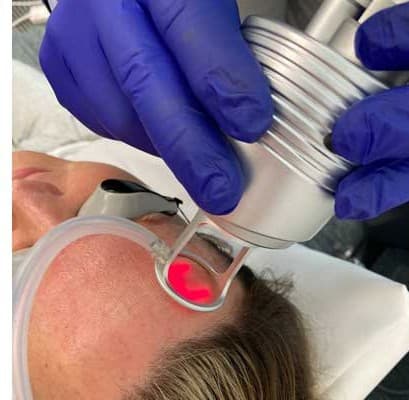
Recovery from fractional CO2 laser resurfacing typically takes seven to ten days. Expect sunburn-like redness and warmth for the first three days, rough, sandpaper-like skin as it flakes on days four to six, and fresher, smoother skin from around day seven to ten. Most people resume normal activities after one to two days.
That is the short version. The longer version matters, because knowing what is normal at each stage is what makes recovery feel calm rather than worrying. At Skin Anatomy in Southwell, Harper and Magdalena talk every client through their downtime in detail before treatment, and this guide sets out the same timeline we share in clinic.
How long does CO2 laser recovery take?
There are really two recoveries running side by side. The first is the surface: the visible redness, flaking and renewal that usually settles within seven to ten days. The second is the collagen response deeper in the skin, which carries on quietly for months. Full results are typically seen two to three months after your final session.
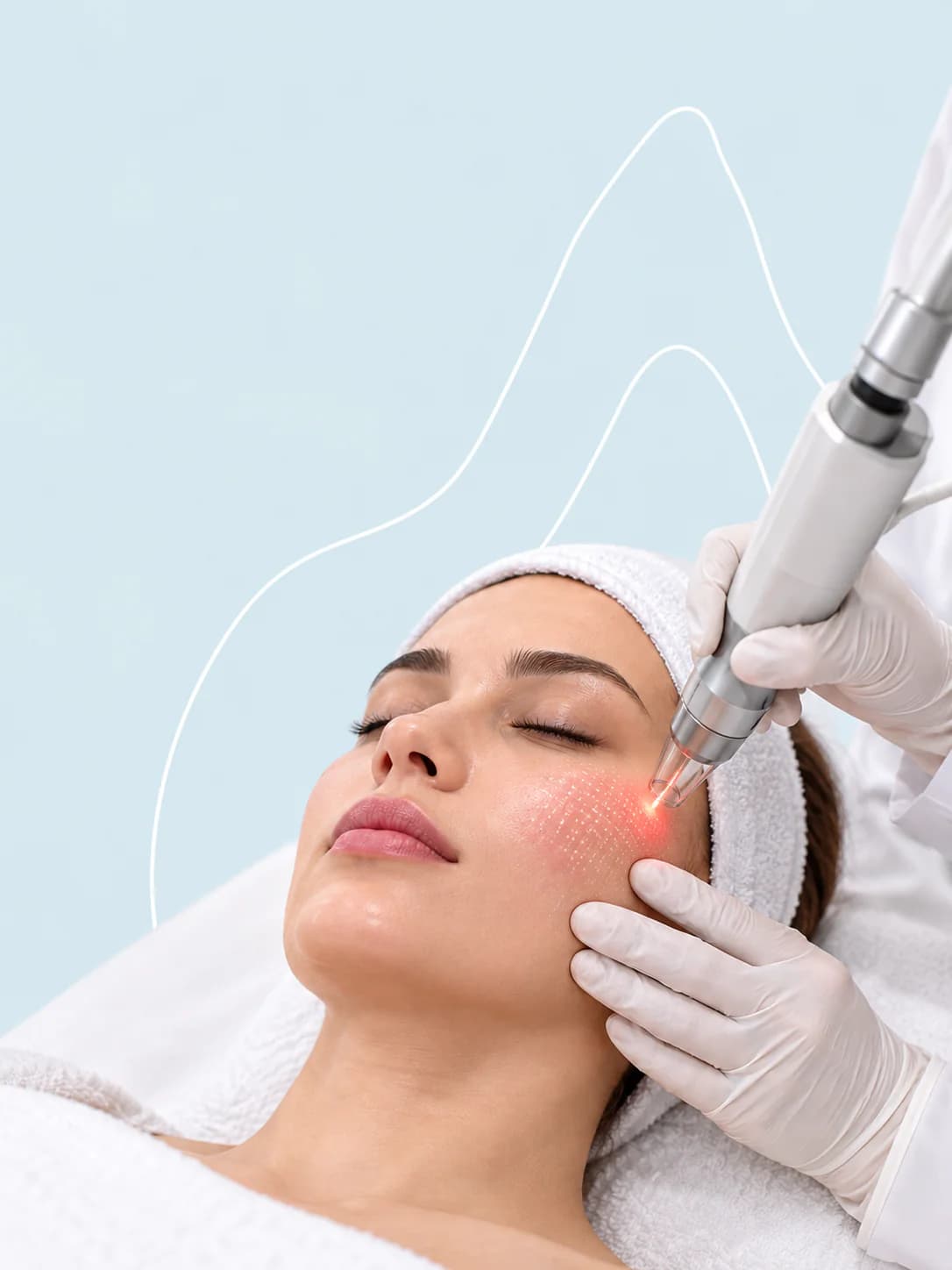
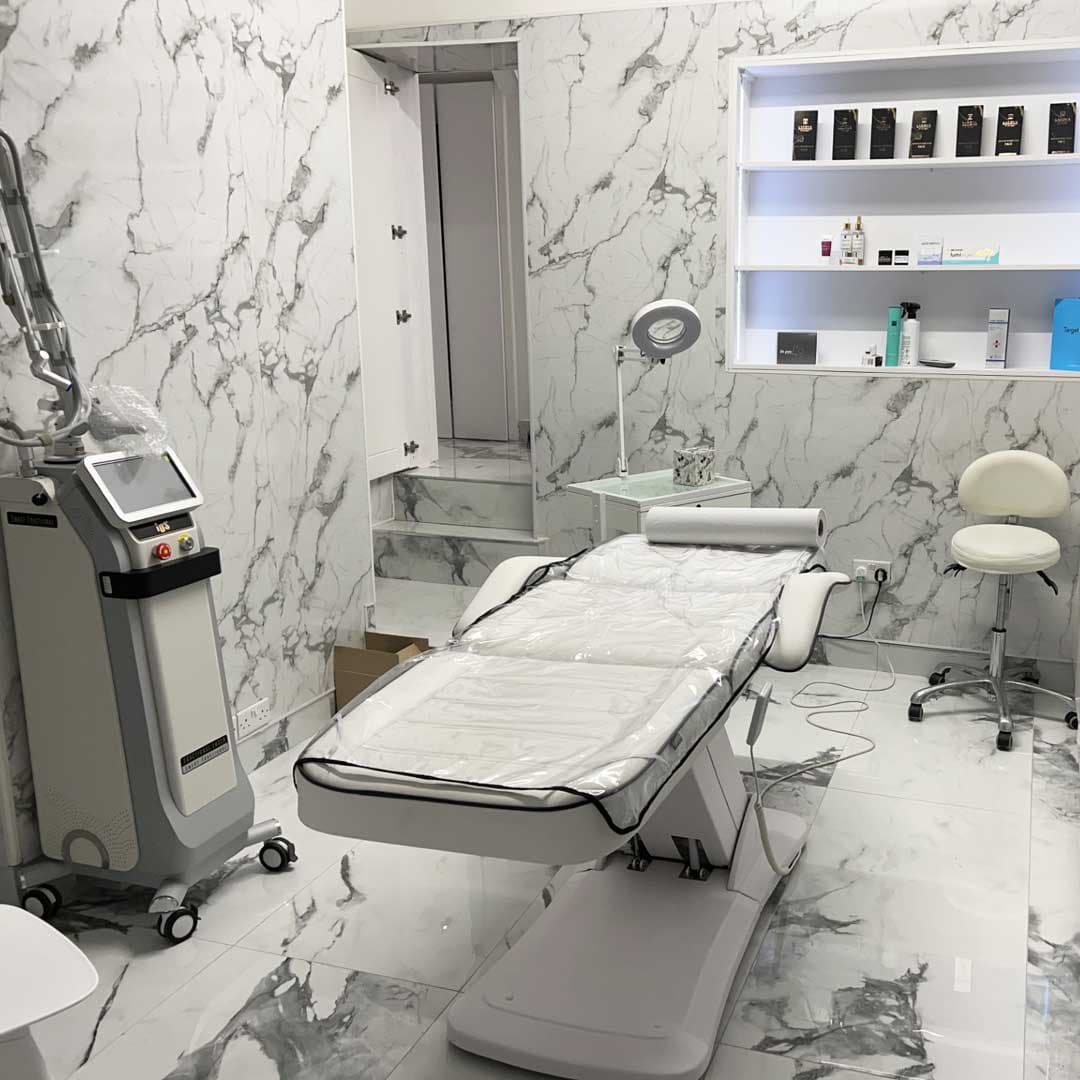
We use the SmartXEL fractional CO2 laser. “Fractional” means the beam is divided into an array of microscopic channels rather than removing the whole surface of the skin. The untouched skin between those channels acts as a reservoir for healing, which is why recovery is measured in days rather than the weeks associated with older, fully ablative resurfacing. SmartXEL’s double-pulse technology then delivers a second pulse that gently heats the deeper dermis, prompting fibroblasts to produce new collagen and elastin.
What happens on the day of treatment?
For skin rejuvenation and scar treatment, your skin is numbed with a topical anaesthetic cream first, so most clients find the treatment itself comfortable. As the laser passes over the skin you will notice a build-up of heat. We reduce this quickly with effective skin cooling, and the warmth usually eases over the following hours.
Before you leave, we go through your written aftercare and make sure you have the products you need. Some clients choose to add E50 exosomes straight after their laser session. Exosomes are thought to support the skin’s natural repair processes and calm inflammation, and some clients tell us their skin feels more settled, but the evidence is still emerging and individual responses vary, so we treat it as an optional extra rather than a necessity.
CO2 laser healing stages: a day-by-day timeline
Everyone heals slightly differently, and deeper treatments for scarring take a little longer than lighter rejuvenation passes. As a guide:
| When | What you may see and feel | What to do |
|---|---|---|
| Treatment day | Heat like a strong sunburn, tightness, redness and a fine grid-like pattern on the skin | Follow your cooling advice, apply only the aftercare products we give you, and sleep with your head slightly raised |
| Days 1–3 | Skin looks red, like sunburn, though it should not be painful. Mild swelling is common, especially around the eyes in the morning | Cleanse gently with cool water, keep the skin moisturised, and avoid make-up. Most people return to normal activity after one to two days |
| Days 4–6 | Skin feels rough, like fine sandpaper, as tiny bronzed dots and dry skin exfoliate away | Let flakes shed naturally. Do not pick, scrub or peel. Make-up can usually be worn after a couple of days once the skin is intact |
| Days 7–10 | The rough layer has shed, revealing new, smoother skin that may still look pink | Apply SPF50 every morning and reapply outdoors. Keep your routine gentle — our clinic shop has the post-treatment care and sun protection we recommend |
| Weeks 2–6 | Pinkness gradually fades. Skin can feel more sensitive than usual | Strict sun protection. Reintroduce active skincare only when we advise |
| Months 1–3 | New collagen builds, so skin looks firmer and smoother over time | Continue SPF50. Full results are usually visible two to three months after your final session |
What should I avoid while my skin heals?
Most complications we see across the industry come from well-meaning mistakes in the first week. Please avoid:
- Picking or peeling flaking skin. Pulling it off early can leave raw patches and increase the risk of marks.
- Active skincare such as retinoids, AHAs, BHAs, vitamin C serums, scrubs and exfoliating cleansers until we tell you your skin is ready.
- Make-up too early. Wait until the skin is intact, usually a couple of days, and use clean brushes.
- Heat and sweat in the first few days: saunas, steam rooms, hot baths, hot yoga and heavy exercise.
- Swimming pools until the skin has fully healed, as chlorine irritates newly treated skin.
- Sun exposure and sunbeds. Avoid the sun for four to six weeks before treatment and for three months afterwards, and use SPF50 daily. The NHS guide to sunscreen and sun safety is a useful reminder of the basics.
- Fake tan, waxing and hair removal on the treated area until it has settled.
- Smoking, which slows healing.
When should I contact the clinic?
Redness, warmth, tightness and flaking are expected. The following are not, and we would always rather hear from you early:
- Pain that increases after the first 48 hours rather than easing.
- Spreading redness, yellow crusts, pus, an unpleasant smell or feeling feverish, which can be signs of infection.
- Blisters or open, weeping areas.
- Tingling followed by small clusters of fluid-filled spots, which may be a cold sore flare. If you have a history of cold sores, tell us at your consultation: a prescriber may advise antiviral tablets before treatment.
- An itchy rash, which could be a reaction to a product.
- Patches that darken in the weeks after healing.
If you feel very unwell, or it is out of hours and you are worried, contact NHS 111.
Does skin type affect CO2 laser recovery?
Yes. The main risk for olive, brown and Black skin tones is post-inflammatory hyperpigmentation: temporary darkening triggered by heat and inflammation. It is usually treatable, but it is far better prevented. For darker skin types we adjust the energy and density of the laser, may recommend a test patch and a period of skin preparation, and are especially strict about sun avoidance. Very fair or reactive skin, including rosacea-prone skin, can stay pink for longer. Melasma can sometimes worsen after heat-based treatments, so we discuss this carefully before recommending CO2 at all.
How many sessions will I need?
It depends on what we are treating. For general skin rejuvenation, one to two sessions often achieve the result clients are looking for. For acne scarring and surgical scars, three to five sessions are usually recommended, spaced several weeks apart so the skin can recover fully in between. Each recovery follows a similar pattern, and most clients find the second and third feel easier simply because they know what to expect. If you are weighing CO2 against other options for scarring, our guide to CO2 laser versus other acne scar treatments compares downtime and results side by side.
Why is autumn or winter a good time for CO2 laser?
Because the sun needs to be avoided for three months after treatment, many people choose to have CO2 laser between autumn and early spring, when UV levels in Nottinghamshire are lower and it is easier to stay covered up. Darker evenings also make the first few red days easier to fit around work and social plans. UV still reaches the skin on cloudy winter days, so SPF50 remains essential all year. If you have an event such as a wedding, we generally suggest planning your final session at least two to three months beforehand.
Who should not have CO2 laser resurfacing?
At your consultation we take a full medical history. CO2 laser is not suitable, or needs to be postponed, if you:
- are pregnant or breastfeeding;
- have an active infection, cold sore or acne flare in the area;
- have a recent tan or sunburn;
- have taken oral isotretinoin recently or use photosensitising medication (we agree timing with your prescriber);
- have a history of keloid or raised scarring, or a condition that affects wound healing;
- are under 18. All treatments at Skin Anatomy are for adults only.
Planning your CO2 laser treatment in Southwell
A good recovery starts before the laser is switched on. At your free consultation at 17 Queen Street, Southwell, we assess your skin, explain which settings and how many sessions we would recommend, and plan your downtime around work and family life. Many of our clients travel from Nottingham, Newark and Mansfield, so we also think about the journey home on treatment day.
You can read more about the treatment itself on our CO2 laser skin resurfacing page, check starting prices on our price guide, or find out what affects the total cost in how much CO2 laser resurfacing costs in the UK. When you are ready, book your free consultation and we will talk you through every stage.
This article is general information, not medical advice, and does not replace a face-to-face assessment. Individual results and recovery times vary. Treatments at Skin Anatomy are available to adults aged 18 and over.
This article is general information, not personal medical advice. Treatments are for adults aged 18 and over, suitability is assessed at a consultation, and individual results vary. If you have a new or changing mole, or any skin symptom that worries you, please see your GP.
Book an Appointment
It's easy — and consultations are free.
Questions Answered
How long does redness last after CO2 laser?
When can I wear make-up after CO2 laser resurfacing?
Can I go back to work after CO2 laser?
Why does my skin feel like sandpaper after CO2 laser?
Do I need to avoid the sun after CO2 laser?
Magdalena Wasiewicz
Founder & Lead Aesthetic Practitioner
Founder of Skin Anatomy, fully qualified to the highest level in aesthetic practice and currently studying medicine.
Open Profile