Lip Fillers: How to Get Natural Results and Choose a Safe Practitioner in the UK
How to get natural-looking lip filler results, what the risks really are, and a practical checklist for choosing a safe practitioner in the UK.
 Magdalena Wasiewicz7 min read
Natural-looking lip fillers in the UK come from careful planning rather than large volumes: a practitioner who assesses your facial proportions, uses a small amount of CE- or UKCA-marked hyaluronic acid filler, builds gradually and knows how to manage complications. Choose someone with verifiable training and insurance, a face-to-face consultation and hyaluronidase on hand.
Lip filler has a reputation problem. Most people who ask us about it say something similar: they want to look like themselves, just a little fresher. Subtle, balanced results are entirely possible. The less comfortable truth is that lip filler is still lightly regulated in England, so the person you choose matters as much as the product. This guide covers both.
What makes lip fillers look natural?
A natural result is one that suits your face. That is less about the number of millilitres and more about proportion, shape and texture.
Proportion
Many practitioners use a lower lip that is slightly fuller than the upper lip as a starting guide — an upper-to-lower ratio of roughly 1:1.6 is often quoted. It is a guide, not a rule: lip shape varies naturally between people and ethnicities, and the right balance also depends on your chin, nose and the width of your smile. Overfilling the upper lip until it overtakes the lower is one of the most common reasons results look “done”.
Border and body
The border, where the lip meets the skin, gives definition and shape, including the cupid’s bow. The body is the soft, pink part that gives fullness and pout. Treating the border can restore shape to a lip that has lost definition with age; treating the body adds volume. Too much product along the border can create a hard ridge or a puffy look above the lip.
Hydration, definition or volume?
| Goal | What it usually involves | Often suits |
|---|---|---|
| Hydration | A soft filler placed lightly for smoothness and a healthy sheen | Dry lips, fine vertical lip lines, first-time clients |
| Definition | Careful placement along the border and cupid’s bow | Lips that have lost shape with age |
| Volume | Product placed in the body of the lip, built up gradually | Naturally thin lips, where proportion allows |
Start small and build
For a first treatment many practitioners use around half a millilitre to one millilitre, then review once swelling has settled. It is always easier to add a little more at a later appointment than to correct too much. Lips also sit within the whole lower face, so support elsewhere — the chin, for example — sometimes creates better balance than more lip volume. Our dermal fillers page and our guide to facial volume loss explain those options.
What is lip filler made of?
Most lip fillers used in UK clinics are made from hyaluronic acid (HA), a sugar molecule found naturally in the skin that attracts and holds water. Different HA gels have different firmness: softer gels suit hydration and fine lines, while slightly firmer gels hold shape. Many also contain a small amount of local anaesthetic to make treatment more comfortable.
Two points matter for safety. First, the product should be a recognised CE- or UKCA-marked filler bought through a legitimate UK supplier; at Skin Anatomy we use CE-marked hyaluronic acid fillers. Second, HA filler can be dissolved with an enzyme called hyaluronidase, which is a prescription-only medicine. That is why anyone injecting filler needs a complications plan and access to a prescriber if something goes wrong.
What happens at a lip filler appointment?
- Consultation. We ask about your health, medicines, allergies, previous filler and cold sores, and talk through what you would like. Photos of lips you admire can help, as long as we discuss honestly how they would translate to your face.
- Photographs and consent. We record your starting point and explain risks, aftercare and alternatives before you sign.
- Comfort. Numbing cream may be applied, and we use TargetCool CO2 skin cooling to reduce discomfort at injection points.
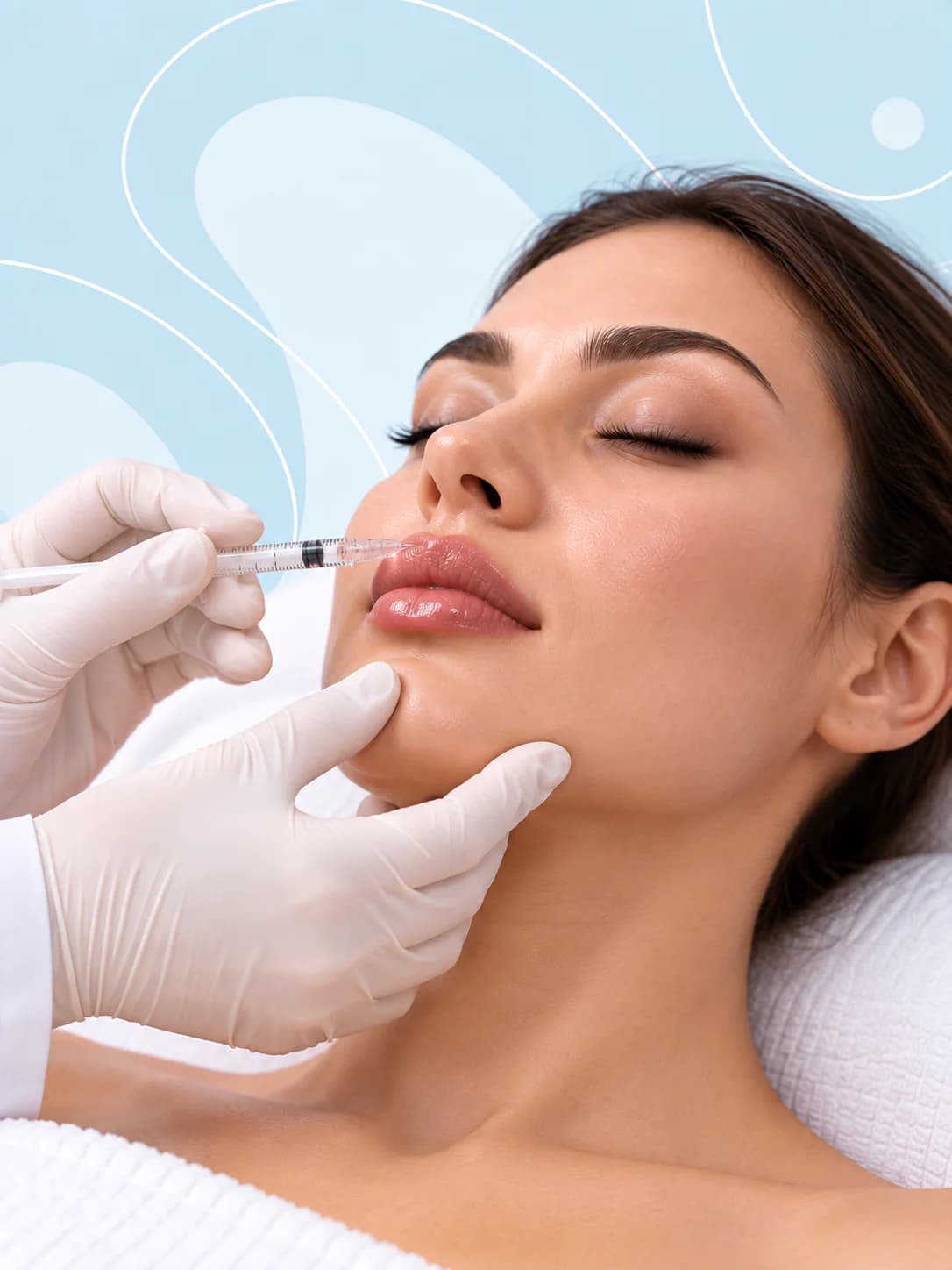
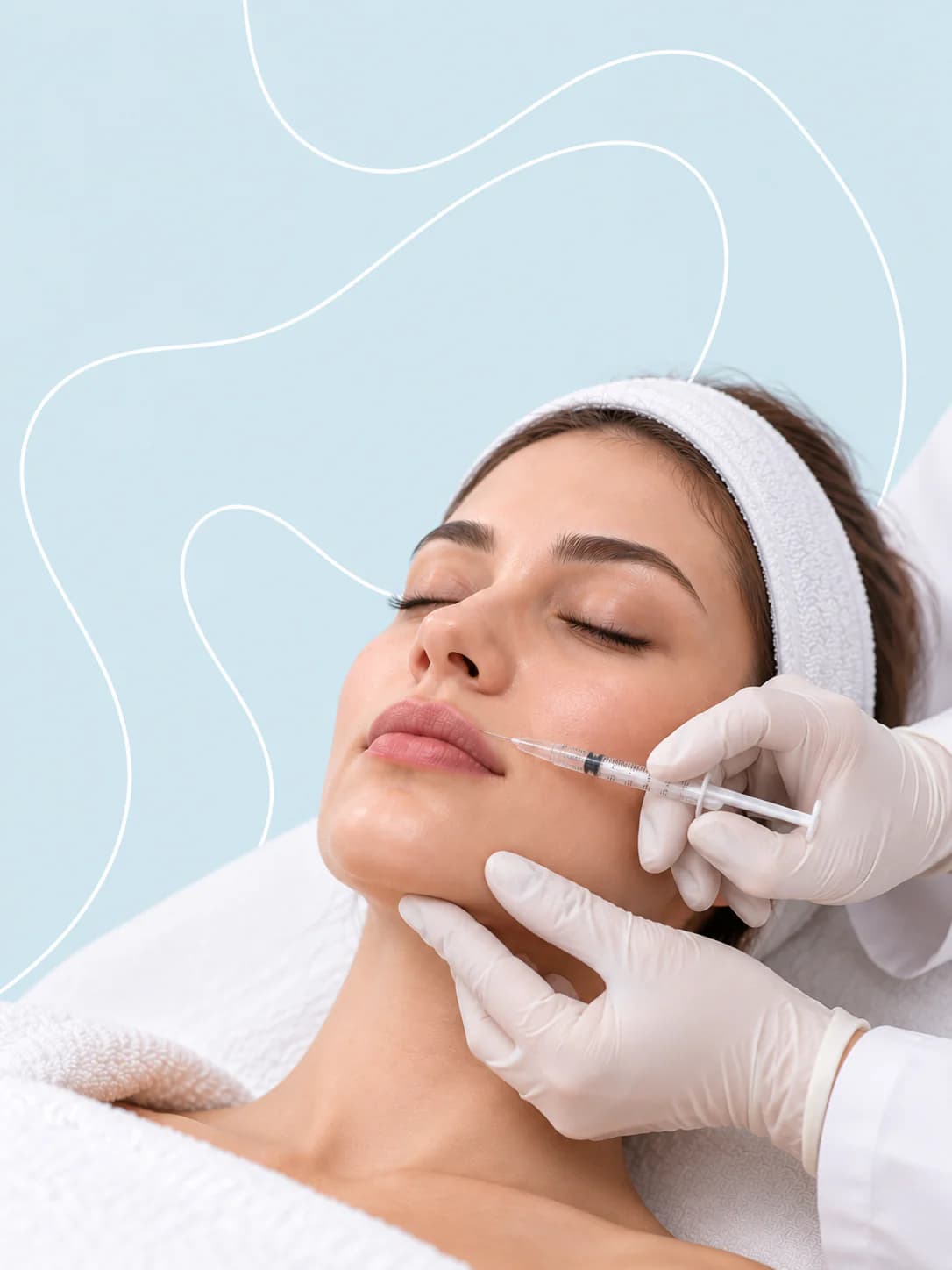
- Treatment. Small amounts are injected in stages, checking shape and symmetry as we go.
- Aftercare. You leave with written advice and know exactly how to contact us.
Lip filler swelling: what is normal?
| When | What you might notice |
|---|---|
| Days 1–3 | Swelling is usually at its most noticeable; lips can look uneven, firm or lumpy and feel tender |
| Days 4–7 | Swelling and any bruising begin to settle |
| Around 2 weeks | The filler has largely settled; this is the time to judge the result |
| 6–12 months | The body gradually breaks the filler down; how quickly varies |
Lip filler typically lasts somewhere between six and twelve months, depending on the product, the amount used, your metabolism and how much your lips move. Try not to judge the shape, or ask for more, until swelling has gone down.
What are the risks of lip fillers?
Most side effects are mild and temporary, but lip filler is a medical procedure and you should understand the risks before agreeing to it.
- Common: swelling, bruising, tenderness and small lumps that usually settle over days to weeks.
- Cold sores: injections can trigger a flare in people prone to them, so tell your practitioner. You may be advised to take an antiviral first, and treatment waits while a cold sore is active.
- Infection or a longer-lasting inflammatory reaction, which occasionally appears weeks or months later.
- Allergic reaction to the filler or local anaesthetic, which is rare.
- Migration of filler above the lip border over time, more likely with large or frequent treatments.
- Vascular occlusion — rare but serious — when filler blocks or compresses a blood vessel.
Warning signs that need urgent attention
Contact your practitioner immediately if, during or after treatment, you notice skin turning very pale or white, severe or worsening pain, or skin that looks dusky, blue or mottled. If you cannot reach them, seek urgent medical help. Any change in vision after filler is an emergency: call 999. A safe practitioner has rapid access to hyaluronidase, follows an emergency protocol and will see you promptly.
Is lip filler regulated in the UK?
Less than most people assume. In England it is illegal to give dermal fillers for cosmetic purposes to anyone under 18, under the 2021 law that bans these cosmetic injectables for under-18s in England, and practitioners must check your age. Beyond that, filler is not a prescription-only medicine, so at the time of writing there is no legal requirement for the person injecting it to hold a specific qualification or licence.
That is changing. The government has confirmed plans for a licensing scheme for non-surgical cosmetic procedures in England, but it is not yet in force. Our guide to choosing a safe aesthetic clinic in Nottinghamshire explains where the scheme has got to. Until it arrives, the checks below are your best protection.
How to choose a safe lip filler practitioner
| Check | Why it matters | What to ask |
|---|---|---|
| Training | Lip anatomy, including where blood vessels run, needs specific training | “Where did you train in lip filler, and how long have you been doing it?” |
| Insurance | Protects you if something goes wrong | “Does your insurance cover dermal fillers?” |
| Registers | Voluntary registers such as the JCCP and Save Face check practitioners against published standards | “Which register are you on?” — then check the listing yourself |
| Consultation | Health, suitability and expectations should be discussed before treatment | “Can I take time to think before booking?” |
| Product | Genuine, traceable filler lowers risk | “Which filler will you use, and will you record the batch number?” |
| Complications plan | A blocked blood vessel needs fast treatment | “Do you have access to hyaluronidase and a prescriber if needed?” |
| Aftercare | Problems don’t keep office hours | “Who do I contact if I’m worried, including out of hours?” |
The NHS has helpful advice on what to check before you have a cosmetic procedure, including being offered a cooling-off period. You can search the JCCP register and Save Face directly rather than relying on a logo.
Red flags
- Needle-free “hyaluron pens” that force filler into the lips under pressure, giving poor control over where it goes; patient-safety organisations have warned against them.
- Treatment at home “filler parties”, in a room without clinical hygiene, or from someone you could not easily find again.
- Deals pushed through social media messages, especially with countdowns or “today only” pricing.
- Unbranded products, packaging in a language you can’t read, or a practitioner who won’t show you the box.
- No questions about your health, no photographs and no consent form.
- No clear answer about what happens if something goes wrong.
Book a free lip filler consultation in Southwell
At Skin Anatomy, 17 Queen Street, Southwell, we plan lip fillers around the proportions of your face and would always rather advise less than overdo it. Clients travel to us from across Nottinghamshire, including Newark-on-Trent, Nottingham and Mansfield. See current prices on our price guide, then book a free consultation to talk it through with no obligation.
This article is general information, not medical advice. Individual results vary. Dermal and lip fillers are only available to adults, and all treatments at Skin Anatomy are for adults aged 18 and over.
This article is general information, not personal medical advice. Treatments are for adults aged 18 and over, suitability is assessed at a consultation, and individual results vary. If you have a new or changing mole, or any skin symptom that worries you, please see your GP.
Book an Appointment
It's easy — and consultations are free.
Questions Answered
Can lip filler be dissolved if I don’t like it?
How much lip filler should I have the first time?
Does lip filler hurt?
Can I have lip filler if I get cold sores?
How soon can I wear lipstick after lip filler?
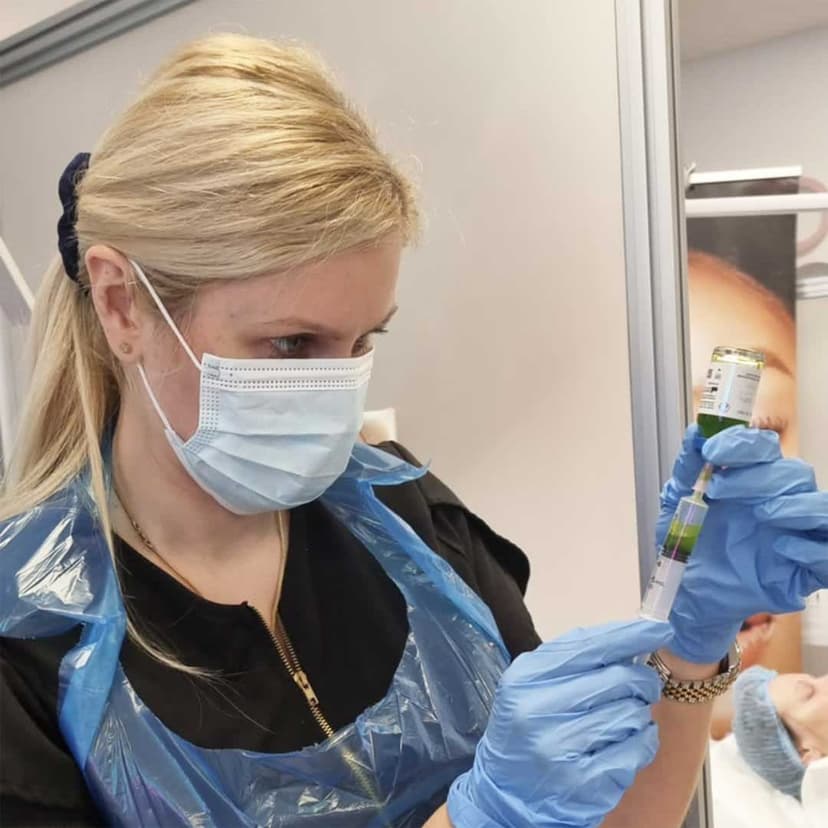
Magdalena Wasiewicz
Founder & Lead Aesthetic Practitioner
Founder of Skin Anatomy, fully qualified to the highest level in aesthetic practice and currently studying medicine.
Open Profile