
View Details

Skin concern
Facial Volume Loss
Hollow cheeks, flatter lips and deepening folds are a natural part of ageing. At our Southwell clinic we restore lost volume subtly with hyaluronic acid fillers and skin boosters, planned around your own facial proportions.
Understanding facial volume loss
In short
Facial volume loss is caused mainly by natural ageing, as the face loses fat, bone density, collagen and hyaluronic acid, and can be accelerated by weight loss, sun damage and smoking. At Skin Anatomy in Southwell it is usually treated with CE-marked hyaluronic acid dermal fillers or lip fillers, with skin boosters to improve hydration and skin quality.
Youthful faces have soft, even fullness across the cheeks, temples, lips and jawline. From our late twenties onwards the fat pads that support the mid-face gradually shrink and slide downwards, the bone of the cheeks and jaw slowly remodels, and the skin produces less collagen and hyaluronic acid. The result is a face that can look tired, hollow or sad even when you feel well: flatter cheeks, deeper lines from the nose to the mouth, marionette lines, thinner lips and a less defined jawline.
Volume loss is not only about age. Significant weight loss, including weight loss with medication, endurance sport, genetics, smoking and years of sun exposure can all make the face look leaner or older than you would like. Because every face ages differently, replacing volume is not about filling every line. The aim is to restore support in the right places, in the right amounts, so you look fresher and more rested while still looking like yourself.
At Skin Anatomy, Magdalena Wasiewicz, our Founder and Lead Aesthetic Practitioner, starts with a free consultation to assess your facial structure, skin quality and medical history, and to understand what bothers you most. Many clients are surprised that a small amount of product placed in the cheeks can soften the lines lower down the face. We favour a gradual, conservative approach, review you after treatment and will always tell you honestly if a different treatment, or no treatment, is the better choice. All injectable treatments are for adults aged 18 and over.

What causes facial volume loss?
- Natural ageing of the facial fat pads, bone and ligaments
- Reduced collagen, elastin and hyaluronic acid in the skin
- Significant or rapid weight loss
- Sun exposure and smoking, which speed up collagen breakdown
- Genetics and naturally slim facial features
- High levels of endurance exercise
Everyone’s skin is different. At your free consultation we look at the likely causes of your concern, and your medical history, before recommending anything.
How we can help
Treatments for facial volume loss
Many clients get the best results from a combination of treatments. We recommend a plan only after a free, no-obligation consultation — and we will tell you honestly what improvement is realistic.
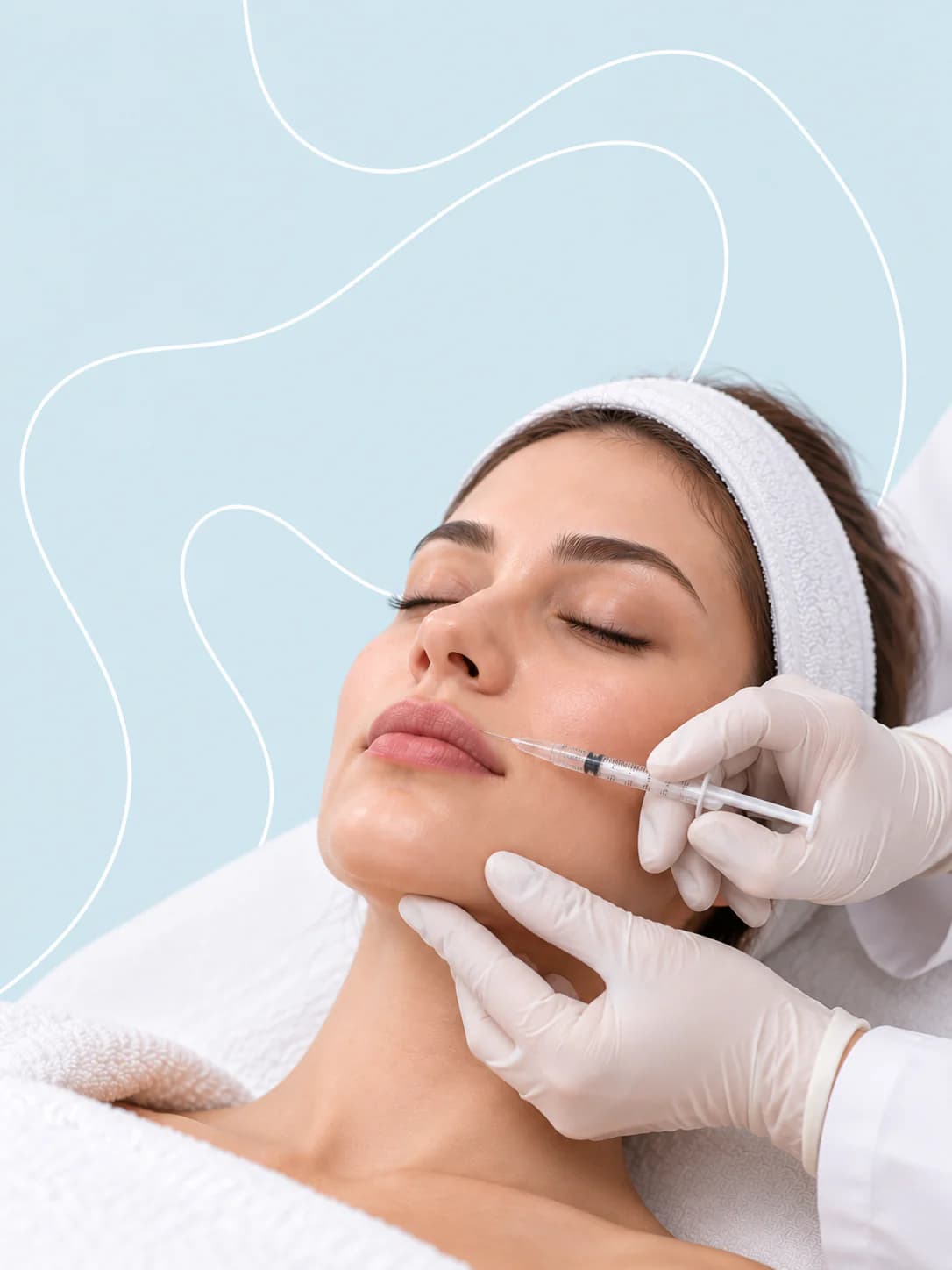
CE-marked hyaluronic acid fillers are placed carefully to restore support to the cheeks, temples, chin and jawline, and to soften nasolabial folds and marionette lines. Results are visible straight away and settle over about two weeks as any swelling goes down. Most fillers last around 6 to 18 months depending on the product, area and your metabolism. Hyaluronic acid filler can be dissolved if needed, and rare but serious complications such as vascular occlusion are discussed fully at consultation.
View Details
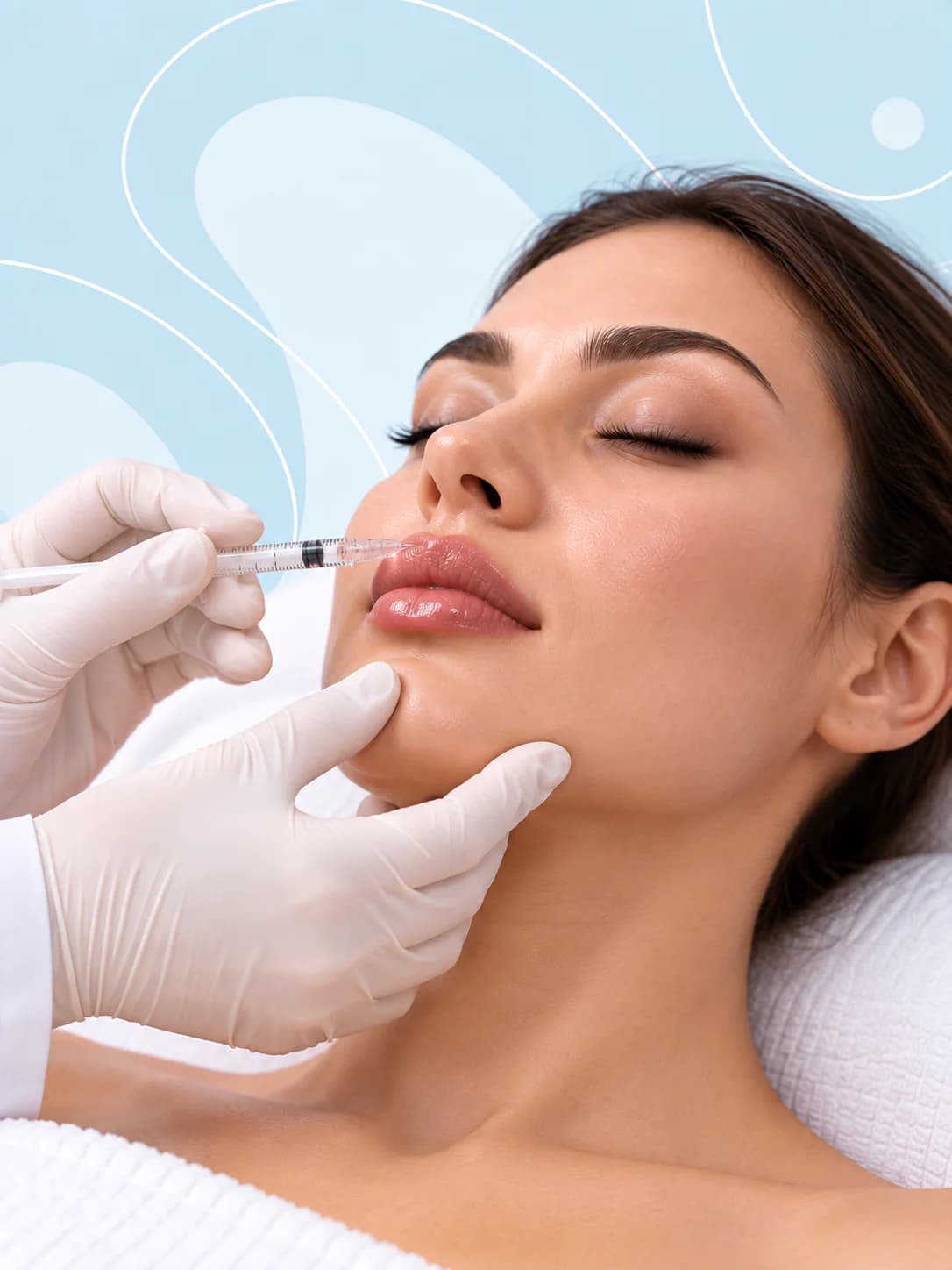
Lips naturally thin and lose definition with age. A small amount of soft hyaluronic acid filler can restore hydration, shape and a crisper border while keeping your lips in proportion with the rest of your face. We often recommend starting with a modest amount and building gradually. Expect some swelling and possible bruising for a few days. Lip filler typically lasts around 6 to 12 months, and results vary from person to person.
View Details
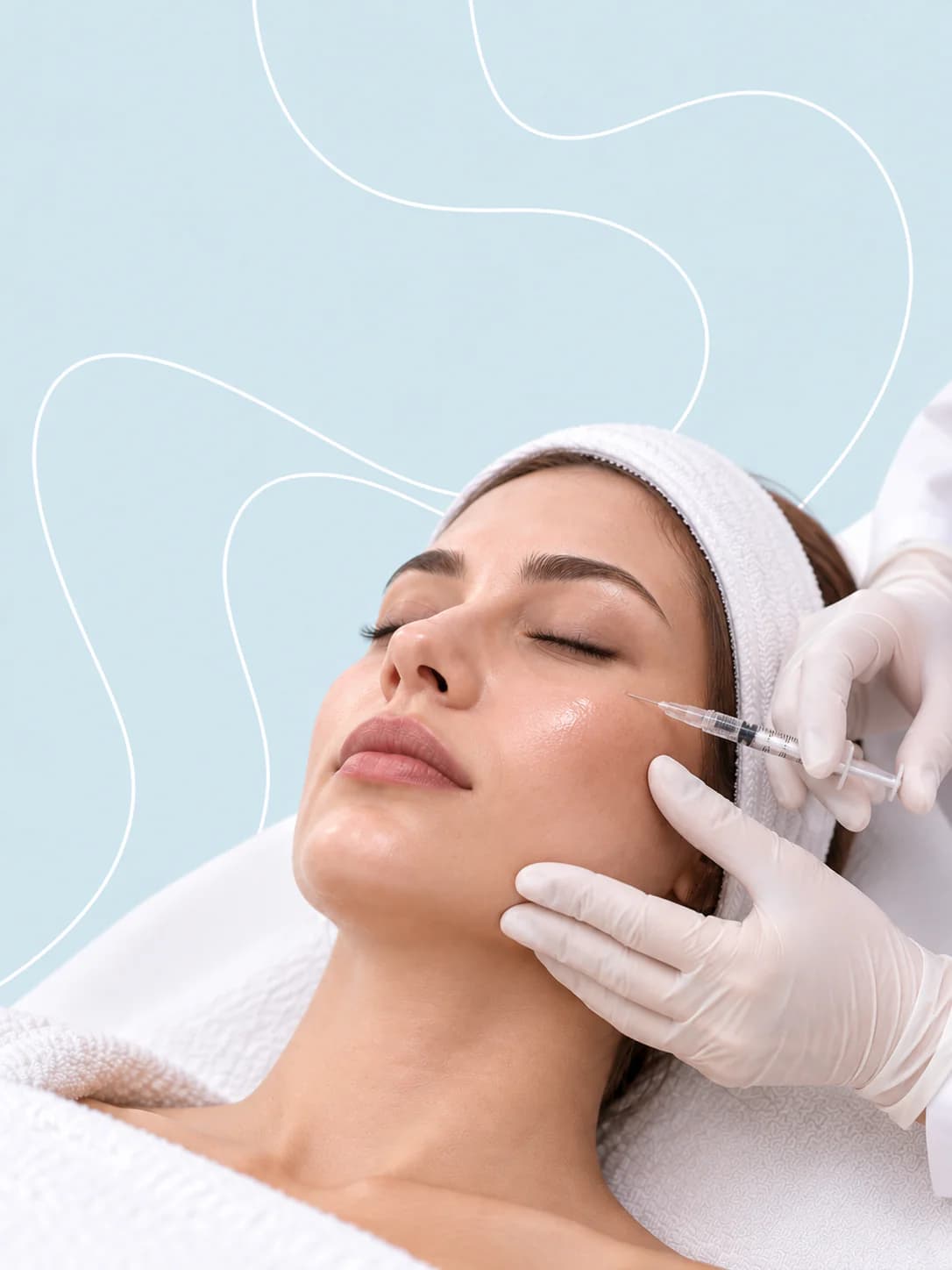
Skin boosters are not volumisers. They use fine injections of lightweight hyaluronic acid to hydrate the skin from within, improving texture, bounce and glow. They work well alongside fillers when volume loss comes with dry, crepey or dull skin, or on their own for clients who want better skin quality without changing their shape. A course of sessions a few weeks apart is usually recommended, with maintenance treatments to follow.
At home
Self-care tips
Simple habits that support your skin alongside — or before — any treatment for facial volume loss.
- Wear a broad-spectrum SPF 30 or higher every day to protect collagen
- Stop smoking, which accelerates collagen and fat loss in the face
- If you are losing weight, aim for gradual, steady loss where possible
- Use a moisturiser with hyaluronic acid or glycerin to support hydration
- Eat enough protein and stay well hydrated
- Prioritise good sleep, which supports overnight skin repair
Have a question?
Facial Volume Loss: your questions answered
Can volume loss in the face be reversed?
Lost volume can be replaced, but the ageing process itself cannot be reversed. Hyaluronic acid fillers restore support where fat and bone have diminished, and skin boosters improve hydration and skin quality. Most clients choose top-up treatments over time to maintain a natural, refreshed look as their face continues to change.
Will fillers make my face look overdone?
Not when they are planned carefully and used conservatively. We assess your proportions, use modest amounts and build gradually, and we will tell you honestly if a request would not suit your face. Placing filler to restore support, rather than filling every line, tends to give the most natural result.
How long do cheek fillers last?
Cheek fillers typically last around 12 to 18 months, although this varies with the product used, how much is placed and how quickly your body breaks down hyaluronic acid. Lip filler usually lasts less, around 6 to 12 months. We explain what to expect for your chosen treatment at consultation.
What is the difference between dermal fillers and skin boosters?
Dermal fillers add structure and volume, while skin boosters hydrate and improve skin quality without changing your shape. Fillers are thicker gels placed to lift and support areas such as the cheeks and jawline. Boosters are spread finely through the skin to improve texture, bounce and glow, and the two are often combined.
Are there risks with dermal fillers?
Yes, as with any injectable treatment there are risks. Common side effects are temporary swelling, tenderness and bruising. Less common risks include lumps, infection and allergic reaction, and rarely filler can block a blood vessel, which needs urgent treatment. We use CE-marked hyaluronic acid fillers, which can be dissolved if needed, and discuss all risks at consultation.
Can I have fillers if I have recently lost weight?
Usually yes, but it is best to wait until your weight has stabilised. If your weight is still changing, your face will keep changing too, so we may suggest starting with skin quality treatments and planning volume replacement once your weight is steady.
Where can I get cheek fillers near Nottingham?
Skin Anatomy offers dermal fillers at 17 Queen Street in Southwell, around 30 minutes' drive from Nottingham and convenient for Newark-on-Trent and Mansfield. Every treatment starts with a free consultation, so you can meet us, discuss your goals and decide without any pressure.
Skin concerns
Related skin concerns
- Fine Lines & WrinklesExpression lines and crepey texture treated with injectables, resurfacing and regenerative care.
- Pigmentation & Sun DamageSun spots, age spots and uneven tone evened out with laser resurfacing and skin regeneration.
- Skin Laxity & JowlsLoose skin along the jawline, chin and neck tightened and redefined without surgery.
- Enlarged Pores & TextureRefine visible pores and rough, uneven texture for smoother, clearer-looking skin.
- Tired Eyes & Dark CirclesThin, crepey under-eye skin strengthened and brightened with regenerative treatments.
Visiting Skin Anatomy
Easy to reach from across Nottinghamshire
Skin Anatomy is at 17 Queen Street, Southwell, Nottinghamshire NG25 0AA, around 30 minutes from Nottingham, 15 minutes from Newark-on-Trent and 25 minutes from Mansfield by car (approximate). Clients visit us for treatment for facial volume loss from Southwell and the surrounding villages, as well as Nottingham, Newark-on-Trent, Mansfield, Bingham and Ollerton. Find travel and parking tips for your town:
Schedule your visit online
Book your free skin consultation