EMS Body Sculpting: What 20,000 Contractions Really Do
How HIFEM body sculpting works, what around 20,000 muscle contractions a session actually achieve, what studies show, who it suits and realistic results.
 Magdalena Wasiewicz6 min read
EMS body sculpting uses high-intensity focused electromagnetic (HIFEM) energy to make muscles contract far harder than you can voluntarily, around 20,000 times in a 30-minute session. Over a course, small studies report thicker, firmer muscle and some reduction in the fat layer above it. It tones and shapes the body; it is not a weight-loss treatment.
“20,000 contractions” is a striking number, and it is often turned into bold promises. At Skin Anatomy we offer HIFEM body sculpting because, for the right person, it can make a visible difference to muscle tone and shape. But you deserve to know what those contractions actually do, what the research can and can’t tell us, and when your time and money would be better spent elsewhere.
How does HIFEM body sculpting work?
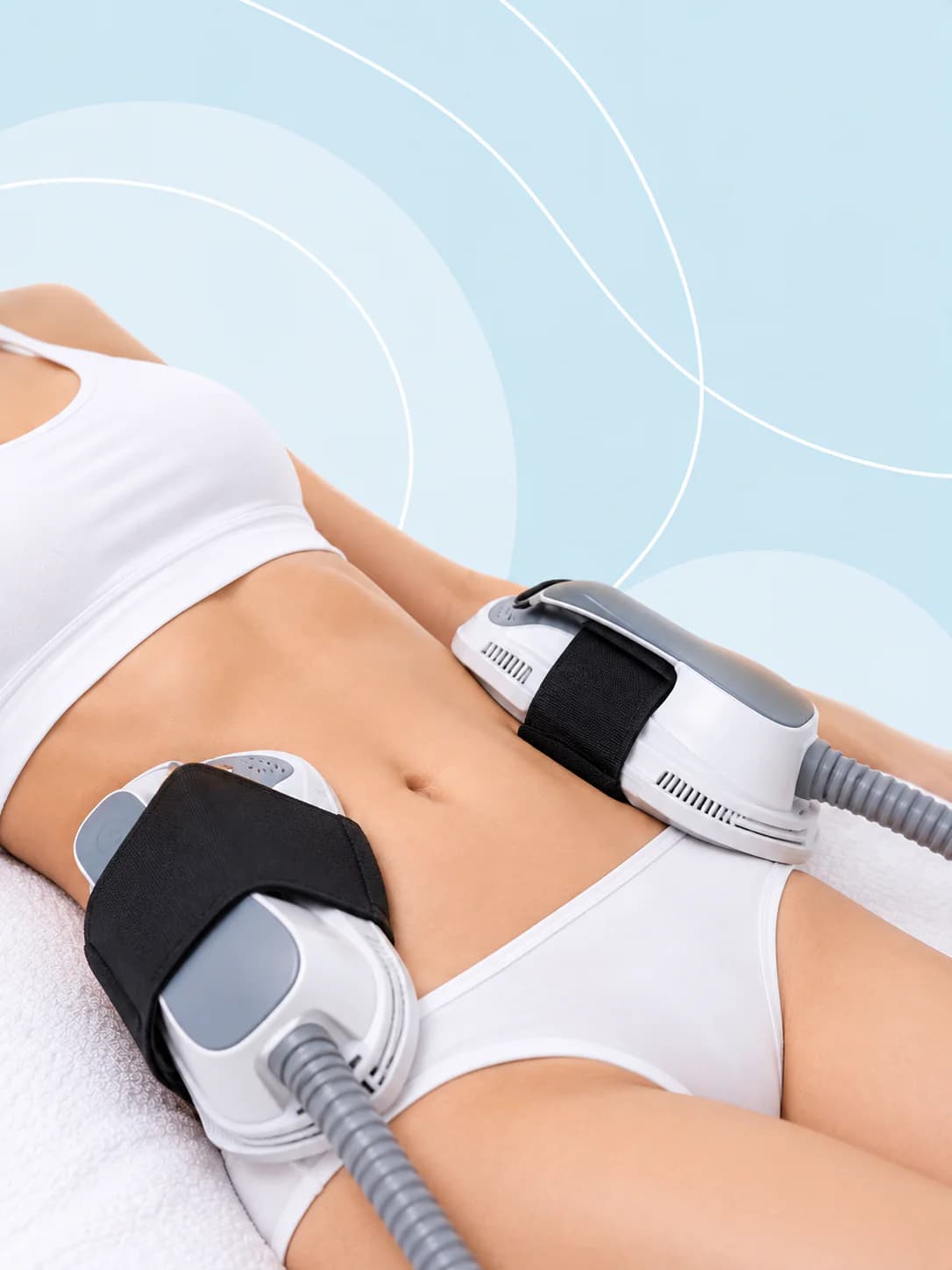
You lie comfortably while applicator panels are secured over the area being treated with a strap. The device generates a focused electromagnetic field that passes through the skin and fat without heating them. When it reaches the muscle, it stimulates the motor nerves directly and triggers a powerful contraction, followed by a brief relaxation, repeated thousands of times across the session.
These are known as supramaximal contractions. When you exercise, your brain only ever recruits a proportion of the fibres in a muscle, and fatigue forces you to rest. HIFEM bypasses that voluntary control, so a much larger share of fibres contract, with very little time to relax between pulses. The muscle is pushed to adapt, and over the following weeks it responds by remodelling: fibres become thicker and the muscle becomes firmer and more defined.
What do 20,000 contractions actually do?
You may have seen the treatment described as the equivalent of thousands of sit-ups or squats. That comparison is misleading. A sit-up is a whole movement that uses several muscle groups, momentum, balance and your heart and lungs. A HIFEM contraction is an isolated, involuntary squeeze of the targeted muscle while you lie still. So, realistically:
- Muscle: the main effect. Treated muscles can become thicker, firmer and more toned over a course of sessions and the weeks after it.
- Fat: manufacturer-supported research suggests the intense muscle activity can also prompt some breakdown of fat cells in the layer directly above the muscle. Imaging studies have reported reductions in that layer, but the effect is modest and the mechanism is still being researched.
- Shape: firmer, better-supported contours, most visible when there isn’t a thick layer of fat on top.
- What it doesn’t do: it won’t burn calories like a workout, improve your fitness or reduce your weight in any meaningful way.
What does the research say about HIFEM?
Most of the published evidence comes from small studies, often involving a few dozen people or fewer, and many are funded by or connected to device manufacturers. Typically, participants have a course of four sessions, and muscle and fat thickness are measured with MRI or ultrasound at one and three months. Those studies generally report, on average, increased muscle thickness and a thinner fat layer, along with high satisfaction scores.
That is encouraging, but it has limits. Sample sizes are small, follow-up is usually short, independent controlled trials are few, and individual responses vary widely. Our view is that HIFEM is a useful, well-tolerated toning treatment for the right client, not a replacement for exercise or a shortcut to weight loss.
EMS body sculpting: myth vs reality
| Myth | Reality |
|---|---|
| “It’s the same as doing 20,000 sit-ups.” | The contractions are isolated and involuntary, with none of the fitness or calorie-burning benefits of real exercise. |
| “It’s a weight-loss treatment.” | It tones and shapes. The scales may barely change. |
| “Results are instant.” | Some people feel firmer quickly, but visible change builds over the course and the two to three months after it. |
| “You’ll never need to exercise again.” | Muscle gradually returns to its previous state without activity. Staying active and maintenance sessions help. |
| “It tightens loose skin.” | It works on muscle, not skin. Significant skin laxity needs a different approach. |
What does a session feel like?
Most people describe it as an intense, rhythmic tightening, a little like a very strong muscle cramp that comes and goes. There is no heat and no needles, and you won’t need anaesthetic. We start at a lower intensity and increase it gradually as you get used to the sensation, and you can ask us to adjust it at any time. You will be asked to remove any metal jewellery or items near the area.
Afterwards you can go straight back to your normal day, including work and driving. Muscles often ache for one to three days, similar to the soreness after a hard workout. Drinking plenty of water and gentle movement tend to help.
How many sessions will I need?
A typical course is around four to six sessions, spaced two to three days apart, although your plan depends on the area and your goals. Because muscle adapts gradually, we usually review progress with photographs and measurements a few weeks to three months after the final session. Many clients then have occasional maintenance sessions every few months. Single sessions and courses are listed on our price guide.
Which areas can be treated?
At Skin Anatomy, EMS body sculpting is used for both men and women on the:
- abdomen;
- buttocks;
- shoulders and arms;
- thighs;
- hamstrings.
Who is EMS body sculpting suitable for?
It tends to work best for people who:
- are at, or close to, a weight they are happy with and want more tone and definition;
- have an area that feels soft despite regular activity;
- want a non-invasive treatment with no recovery period;
- are willing to stay active to maintain the result.
It is not suitable, or needs careful assessment first, if you:
- have a pacemaker, defibrillator or other implanted electronic device;
- have metal implants in or near the treatment area, including a copper coil when the abdomen is being treated;
- are pregnant, or have recently given birth and have not yet been signed off to exercise;
- have had recent surgery or injury in the area, or have a hernia;
- have certain heart, nerve or muscle conditions, epilepsy or a fever, which we will check at consultation;
- are under 18.
After pregnancy: check for tummy muscle separation first
It is very common for the two bands of the abdominal muscles to separate during pregnancy. Some HIFEM research has included women after pregnancy, but if you notice a gap or a ridge down the middle of your tummy, back pain, or pelvic floor symptoms such as leaking, speak to your GP or a women’s health physiotherapist before booking. Rehabilitation exercises are the right first step, and they will tell you when it is safe to add a treatment like this.
Can you combine EMS with fat dissolving injections?
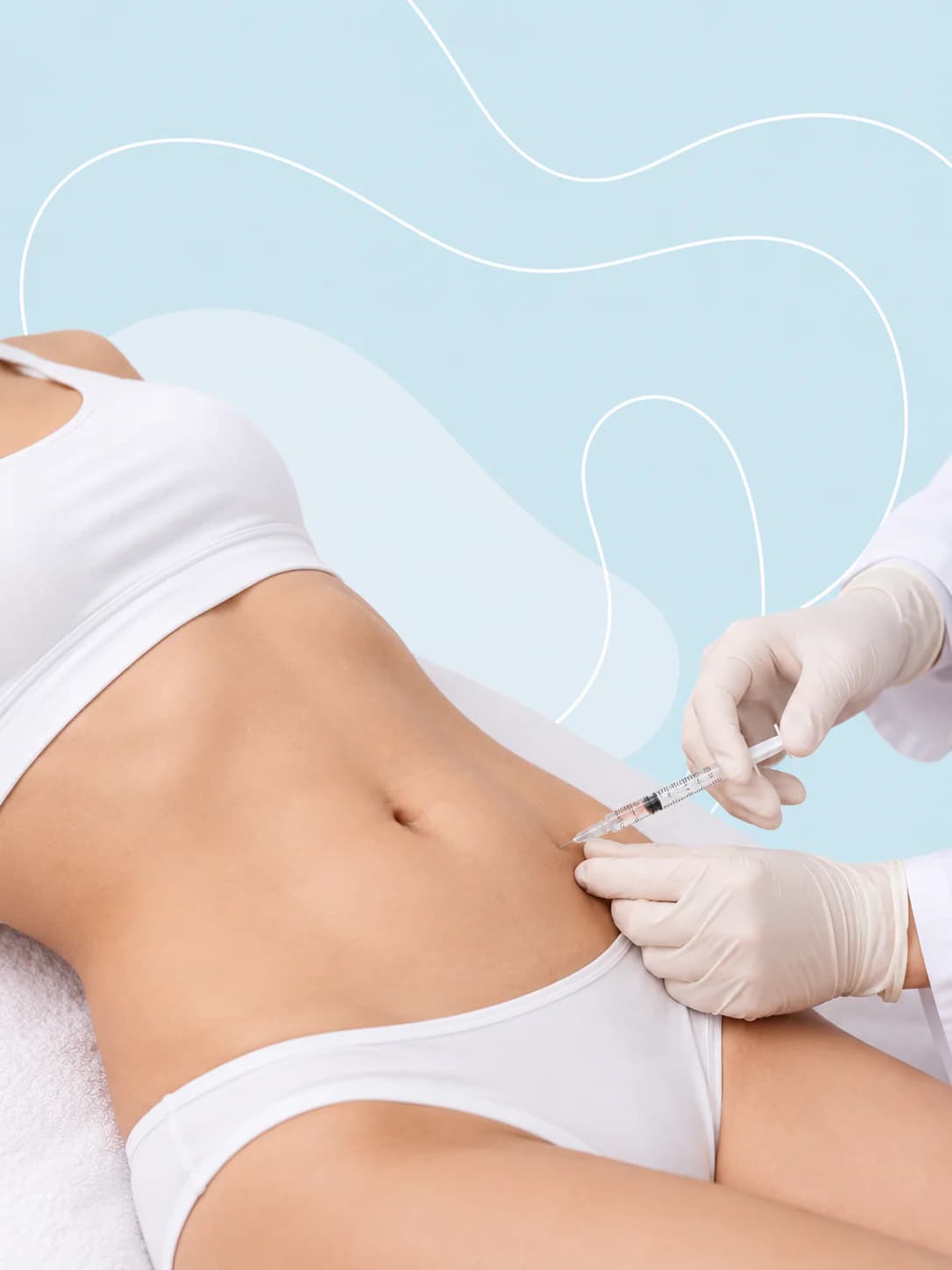
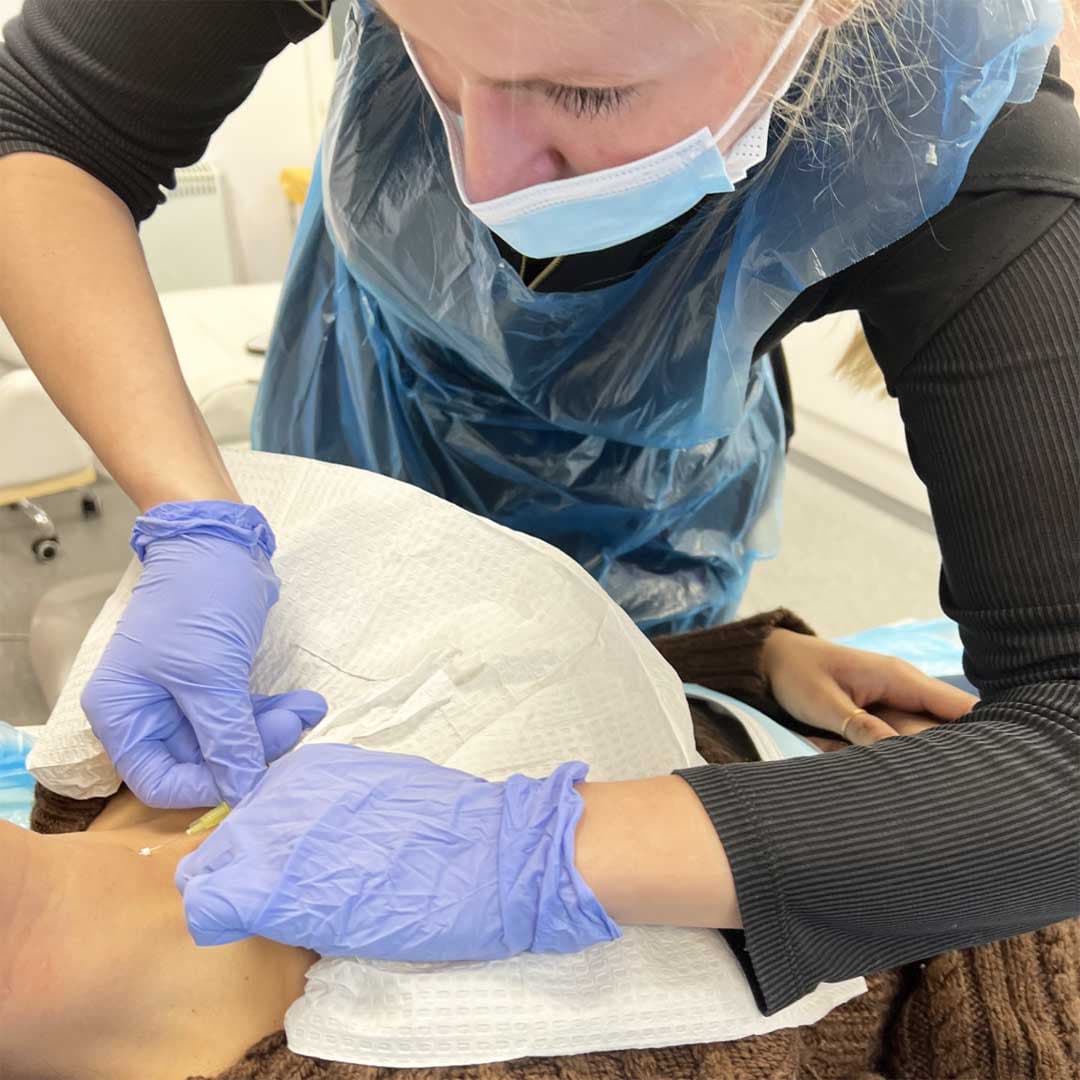
Yes, and it can make sense. EMS focuses on muscle, while fat dissolving injections target small, diet-resistant pockets of fat. For an area where a soft layer of fat sits over muscle that lacks tone, such as the lower abdomen, a combined plan addresses both. We space treatments appropriately and explain the realistic outcome of each. Our guide to fat dissolving injections covers what to expect, and you can read more about stubborn fat and the options for it.
Whatever you choose, everyday habits protect your investment. Enough protein, regular movement, good sleep and a steady weight all help treated muscles hold their shape for longer.
Book a free consultation in Southwell
If you are wondering whether EMS body sculpting is right for your goals, come and talk to us. Our clinic is at 17 Queen Street, Southwell, a short drive from Newark, Bingham, Mansfield and Nottingham. We will check your medical history, look at the area with you and give you an honest view of what the treatment can achieve, or tell you if something else would serve you better. Book your free consultation today.
This article is general information, not medical advice. Individual results vary, and every treatment is subject to a consultation and suitability assessment. Treatments at Skin Anatomy are for adults aged 18 and over.
This article is general information, not personal medical advice. Treatments are for adults aged 18 and over, suitability is assessed at a consultation, and individual results vary. If you have a new or changing mole, or any skin symptom that worries you, please see your GP.
Book an Appointment
It's easy — and consultations are free.
Questions Answered
How soon will I see results from EMS body sculpting?
Does EMS body sculpting hurt?
Can EMS body sculpting help me lose weight?
How long do EMS body sculpting results last?
Can I have EMS body sculpting after a caesarean?
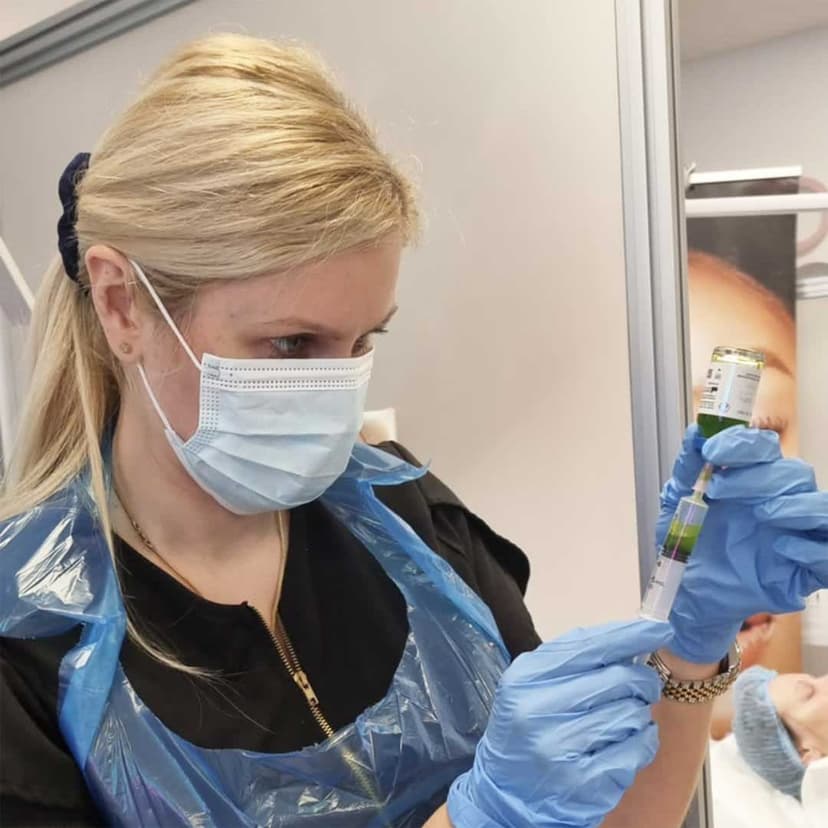
Magdalena Wasiewicz
Founder & Lead Aesthetic Practitioner
Founder of Skin Anatomy, fully qualified to the highest level in aesthetic practice and currently studying medicine.
Open Profile