
View Details
Skin concern
Stretch Marks & Scars
Stretch marks and scars are extremely common and nothing to be ashamed of, but they can affect how comfortable you feel in your skin. Our SmartXEL CO2 fractional laser and regenerative treatments can soften their colour, texture and depth.
Understanding stretch marks & scars
In short
Stretch marks form when skin stretches faster than it can adapt, tearing collagen and elastin in the dermis during growth, pregnancy or weight change; scars form as skin repairs after injury, surgery or acne. At Skin Anatomy in Southwell we improve both with SmartXEL CO2 fractional laser, which remodels collagen, and polynucleotides to support skin repair.
Stretch marks, known medically as striae, appear when the middle layer of the skin is stretched quickly. The collagen and elastin fibres that give skin its strength break, and the skin heals with thinner, weaker tissue. New stretch marks tend to look red, pink or purple and may feel slightly raised; over months they fade to silvery-white lines that sit slightly below the surface. They are most common on the tummy, breasts, hips, thighs, buttocks and upper arms, and affect people of every skin type.
Scars are the skin's natural way of closing a wound. Surgical scars, injury scars and scars left by chickenpox or old acne can be flat, indented or slightly raised, and may be paler or darker than the surrounding skin. Because scar tissue has a different collagen structure from normal skin, it reflects light differently and often feels firmer. Newer scars and marks generally respond better to treatment than older ones, although mature marks can still be softened.
No treatment can erase stretch marks or scars completely, so it is important to start with realistic expectations. What we can do is improve how they look and feel: blending colour, smoothing texture and making them less noticeable. At your free consultation in Southwell we examine the marks, ask about your skin type and how your skin usually heals, and explain how many sessions are likely to be worthwhile. Treatment is for adults aged 18 and over, and we do not treat during pregnancy.

What causes stretch marks & scars?
- Pregnancy and rapid growth during puberty
- Rapid weight gain, weight loss or muscle building
- Genetics and a family history of stretch marks
- Long-term use of steroid creams or tablets
- Surgery, injuries, burns and piercings
- Chickenpox and inflamed acne
- Hormonal and medical conditions that affect collagen
Everyone’s skin is different. At your free consultation we look at the likely causes of your concern, and your medical history, before recommending anything.
How we can help
Treatments for stretch marks & scars
Many clients get the best results from a combination of treatments. We recommend a plan only after a free, no-obligation consultation — and we will tell you honestly what improvement is realistic.
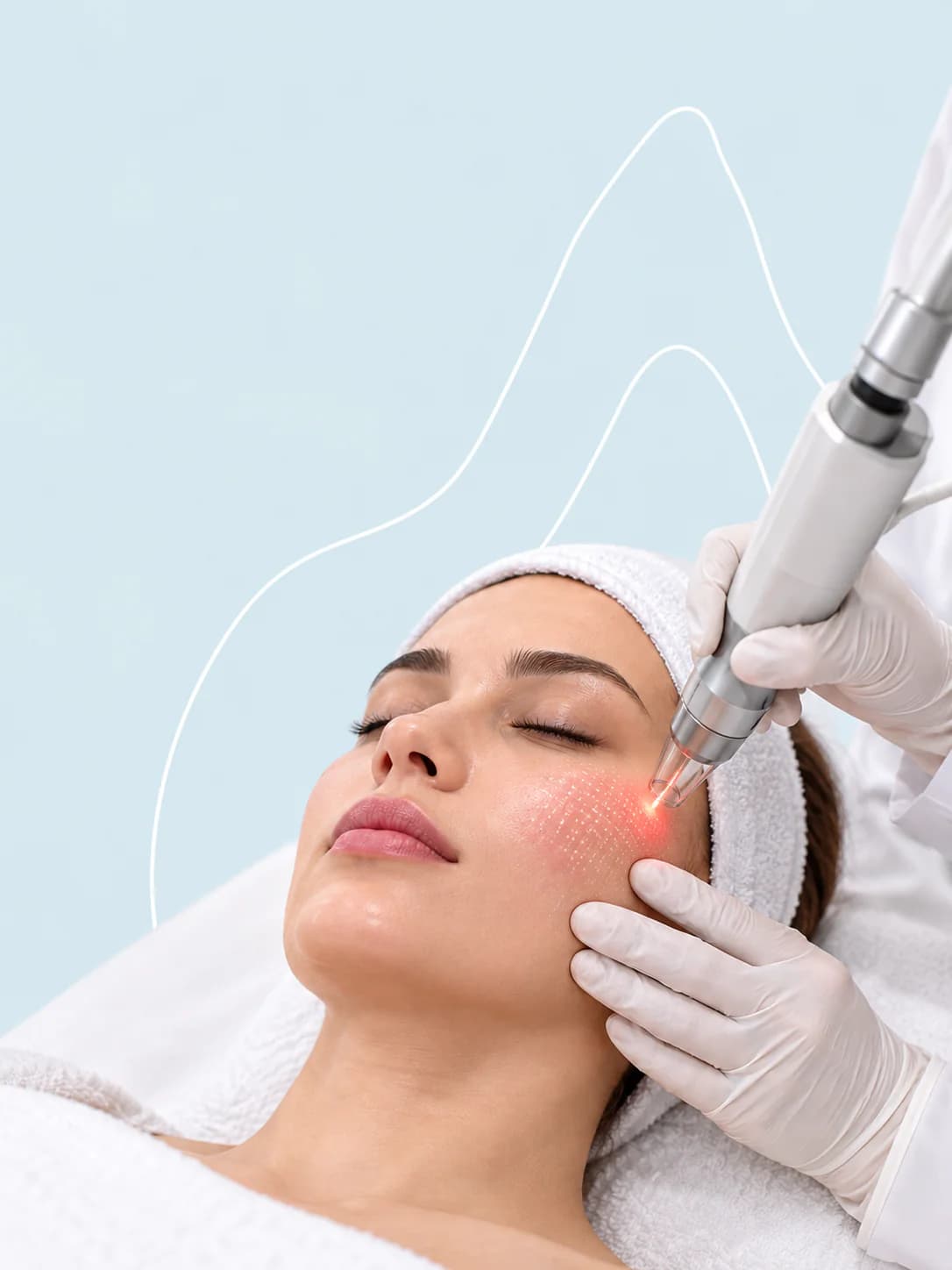
SmartXEL CO2 fractional laser creates tiny columns of controlled micro-injury and, with its double-pulse technology, heats the deeper skin to break down scar tissue and stimulate new collagen. This gradually smooths texture, softens indentations and helps blend colour. For scars and stretch marks a course of 3 to 5 sessions is typical. Expect redness on days 1 to 3, rough skin on days 4 to 6 and fresh skin by days 7 to 10, and avoid the sun for 4 to 6 weeks before and 3 months after.
View Details
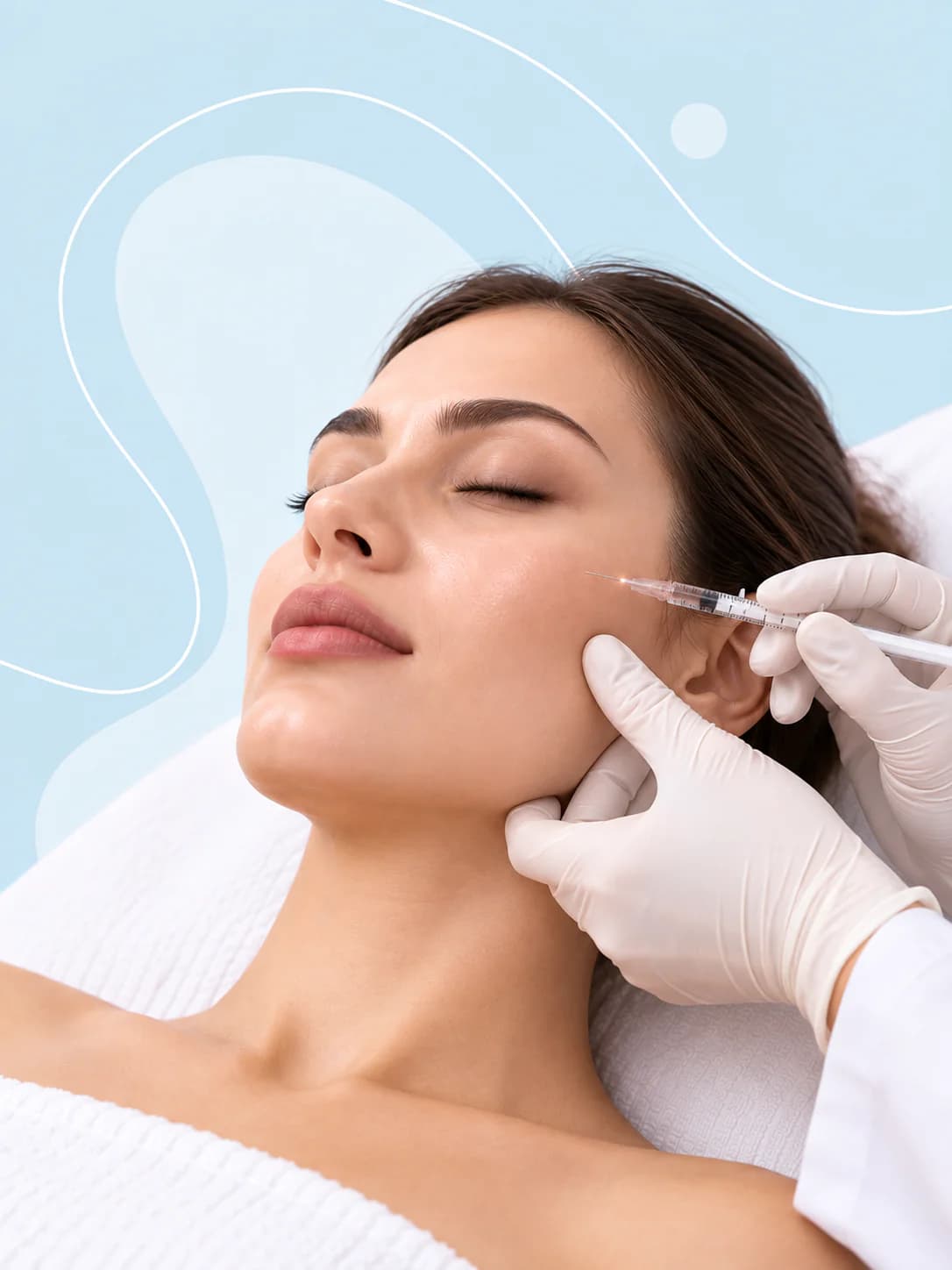
Polynucleotides are regenerative injections that support the skin's natural repair processes, helping to improve hydration, elasticity and texture. For stretch marks and some scars they can be used on their own or between laser sessions to support skin quality. A course of treatments a few weeks apart is usually recommended, and improvements build gradually over several months. Polynucleotides are derived from fish DNA, so they are not suitable if you have a fish allergy.
At home
Self-care tips
Simple habits that support your skin alongside — or before — any treatment for stretch marks & scars.
- Moisturise daily to keep skin supple, although creams cannot remove established marks
- Aim for gradual rather than rapid weight change where possible
- Protect scars and stretch marks from the sun, as tanning makes them more visible
- Avoid picking or scratching healing wounds and spots
- Use silicone gel or sheets on new surgical scars if your surgeon or nurse advises it
- Wait until a scar has fully healed and settled before considering laser treatment
Have a question?
Stretch Marks & Scars: your questions answered
Can CO2 laser remove stretch marks?
CO2 laser can improve stretch marks but does not remove them completely. By remodelling collagen it softens texture, reduces depth and helps blend colour, so marks become less noticeable. Newer red or purple marks usually respond better than older silver ones, and several sessions are normally needed.
How many sessions will I need for scars?
Most clients need 3 to 5 CO2 laser sessions for scar improvement, spaced several weeks apart. The exact number depends on the type, age and depth of the scar, your skin type and the level of improvement you would like. We give you a personalised plan at your free consultation.
Does laser treatment for scars hurt?
Most clients find it very manageable. The skin is numbed with a topical anaesthetic cream before scar and resurfacing treatment, and the feeling of heat afterwards, similar to sunburn, is eased with skin cooling. Comfort varies from person to person, and we check in with you throughout.
What is the downtime after CO2 laser for stretch marks and scars?
Expect around a week of visible recovery. Treated skin is typically red on days 1 to 3, feels rough like fine sandpaper on days 4 to 6 as it flakes, and fresh skin appears by days 7 to 10. Most people return to normal activities within 1 to 2 days.
Can I treat stretch marks while pregnant or breastfeeding?
No, we do not offer laser or injectable treatment during pregnancy, and we usually recommend waiting until you have finished breastfeeding. Stretch marks often fade naturally in the months after birth, so it is worth letting your skin settle before assessing what treatment could add.
Are older silver stretch marks worth treating?
They can be, but expectations should be modest. Mature white or silver stretch marks contain settled scar tissue, so improvement in texture is usually more noticeable than any change in colour. At consultation we will tell you honestly whether treatment is likely to be worthwhile for your marks.
Where can I get stretch mark treatment near Mansfield?
Skin Anatomy in Southwell treats stretch marks and scars and is around a 25-minute drive from Mansfield, with Nottingham and Newark-on-Trent also close by. Start with a free consultation so we can assess your marks and explain realistic results before you commit.
Skin concerns
Related skin concerns
- Acne ScarsRolling, boxcar and ice-pick scars softened by resurfacing and collagen-building treatments.
- Fine Lines & WrinklesExpression lines and crepey texture treated with injectables, resurfacing and regenerative care.
- Pigmentation & Sun DamageSun spots, age spots and uneven tone evened out with laser resurfacing and skin regeneration.
- Skin Laxity & JowlsLoose skin along the jawline, chin and neck tightened and redefined without surgery.
- Enlarged Pores & TextureRefine visible pores and rough, uneven texture for smoother, clearer-looking skin.
Visiting Skin Anatomy
Easy to reach from across Nottinghamshire
Skin Anatomy is at 17 Queen Street, Southwell, Nottinghamshire NG25 0AA, around 30 minutes from Nottingham, 15 minutes from Newark-on-Trent and 25 minutes from Mansfield by car (approximate). Clients visit us for treatment for stretch marks & scars from Southwell and the surrounding villages, as well as Nottingham, Newark-on-Trent, Mansfield, Bingham and Ollerton. Find travel and parking tips for your town:
Schedule your visit online
Book your free skin consultation