
View Details

Skin concern
Pigmentation & Sun Damage
Sun spots, age spots and patchy, uneven tone can make skin look older and tired. At Skin Anatomy in Southwell we use SmartXEL CO2 fractional laser and regenerative treatments to resurface sun-damaged skin and restore a clearer, more even complexion.
Understanding pigmentation & sun damage
In short
Pigmentation and sun damage happen when UV exposure, hormones or inflammation trigger excess melanin, leaving sun spots, age spots and uneven tone. Surface pigmentation and sun-damaged texture can be visibly improved with SmartXEL CO2 fractional laser resurfacing, supported by E50 exosomes and skin boosters. Skin Anatomy in Southwell assesses your pigmentation first at a free consultation.
Pigmentation describes any area where the skin produces more melanin, the pigment that gives skin its colour. Sun spots and age spots, sometimes called solar lentigines, are flat brown marks on the face, hands and chest that build up after years of sun exposure. Freckles darken in summer, melasma appears as larger symmetrical patches often linked to hormones, and post-inflammatory hyperpigmentation is the dark mark left behind after a spot, burn or injury. Sun damage also shows as rough texture, fine lines and dullness.
Melanin is the skin's natural defence against ultraviolet light. Each time skin is exposed, pigment cells produce more of it, and over decades this protective response becomes patchy and uneven. Hormonal changes in pregnancy or with the contraceptive pill can trigger melasma, while inflammation from acne or eczema can leave lingering marks, especially in darker skin tones. Heat, visible light and some medicines can also make pigmentation worse, which is why it often returns without consistent protection.
Sun spots and texture changes from photoageing often respond well to resurfacing, and most clients see a brighter, more even tone as fresh skin replaces damaged layers. Melasma is different: it is easily aggravated by heat and can worsen after aggressive treatment, so it needs careful assessment and a cautious approach. Whatever your pigmentation type, daily SPF is essential to keep results. At our Southwell clinic we identify what kind of pigmentation you have before recommending any treatment.

What causes pigmentation & sun damage?
- Cumulative sun exposure and past sunburn
- Sunbed use
- Hormonal changes, including pregnancy and the contraceptive pill
- Inflammation from acne, eczema or skin injury
- Natural ageing of the skin
- Certain medicines that increase sun sensitivity
- Genetics and skin type
Everyone’s skin is different. At your free consultation we look at the likely causes of your concern, and your medical history, before recommending anything.
How we can help
Treatments for pigmentation & sun damage
Many clients get the best results from a combination of treatments. We recommend a plan only after a free, no-obligation consultation — and we will tell you honestly what improvement is realistic.
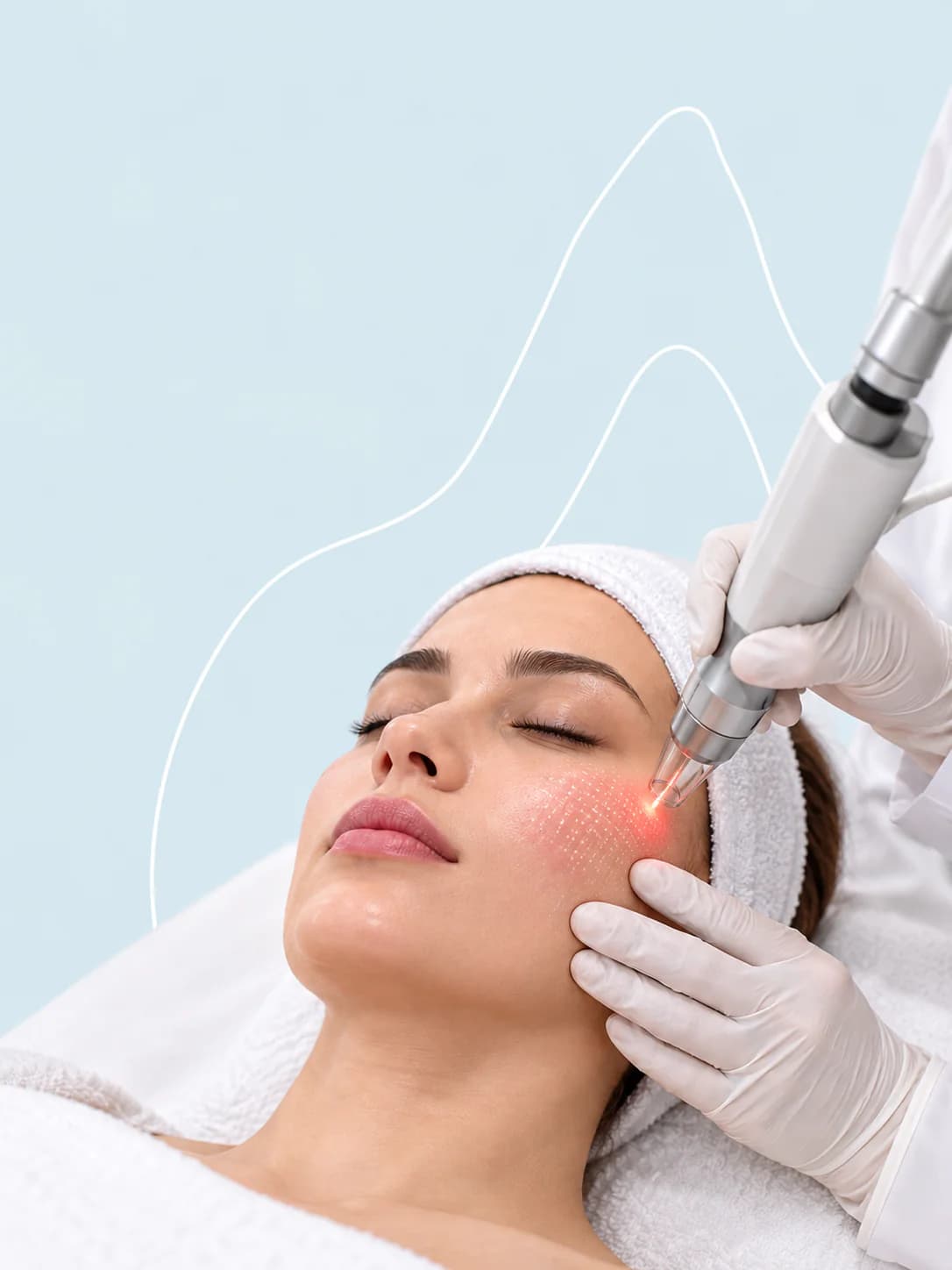
SmartXEL CO2 fractional laser resurfaces the top layer of sun-damaged skin, removing pigmented cells and rough, weathered texture, while its second pulse stimulates new collagen underneath. It is well suited to sun spots, age spots and general photoageing on the face, neck and chest. One to two sessions are often enough, with seven to ten days of recovery and strict sun avoidance for four to six weeks before and three months after treatment.
View Details
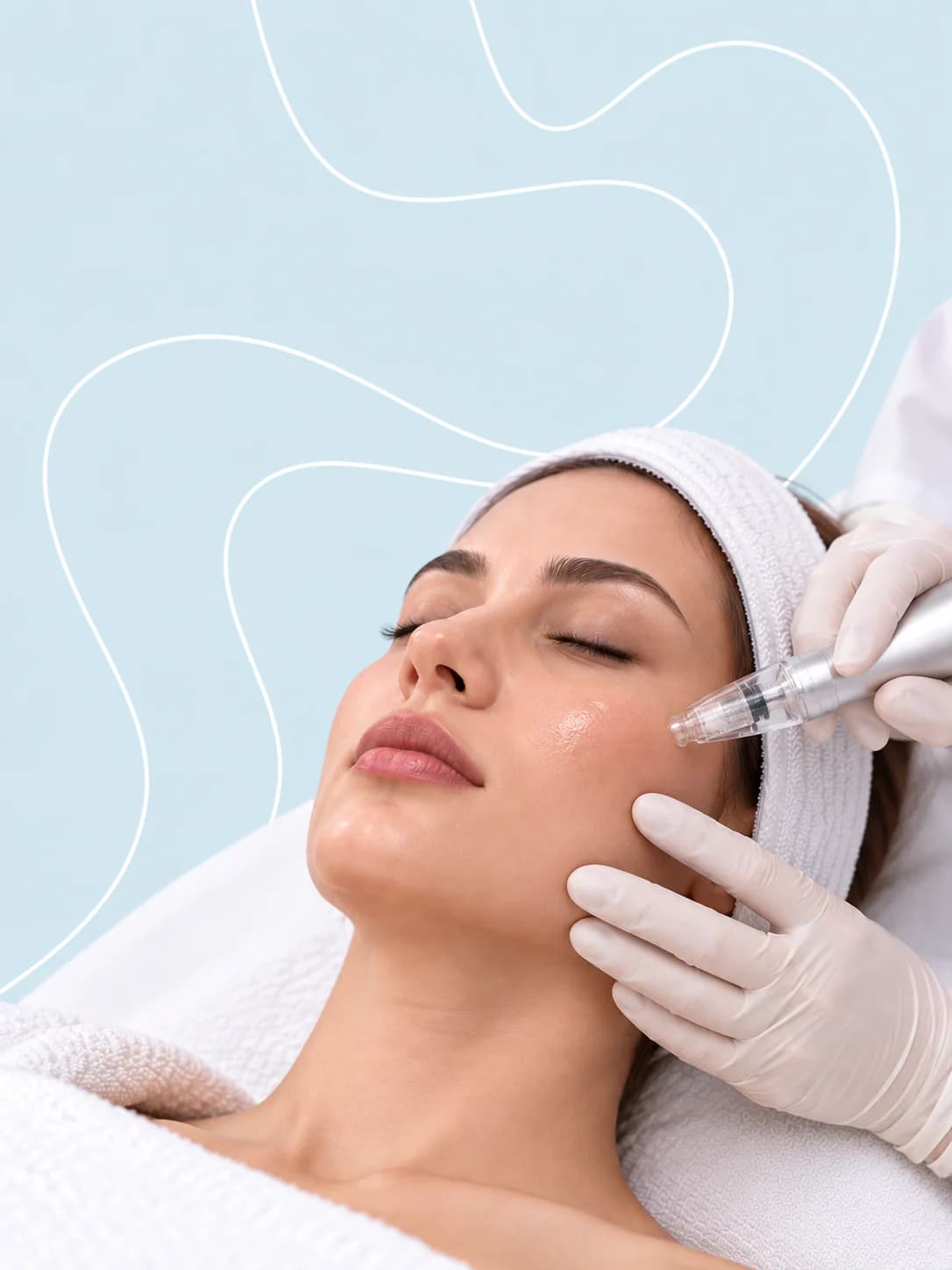
E50 exosomes can be applied straight after CO2 laser, when the skin's micro-channels are open. The manufacturer reports that exosomes support regeneration and help calm inflammation, which can make recovery more comfortable. Because inflammation can trigger new pigmentation, a calmer healing phase is especially useful for pigment-prone skin. Evidence is still developing and results vary, so exosomes are offered as a supporting add-on rather than a pigmentation treatment on their own.
View Details
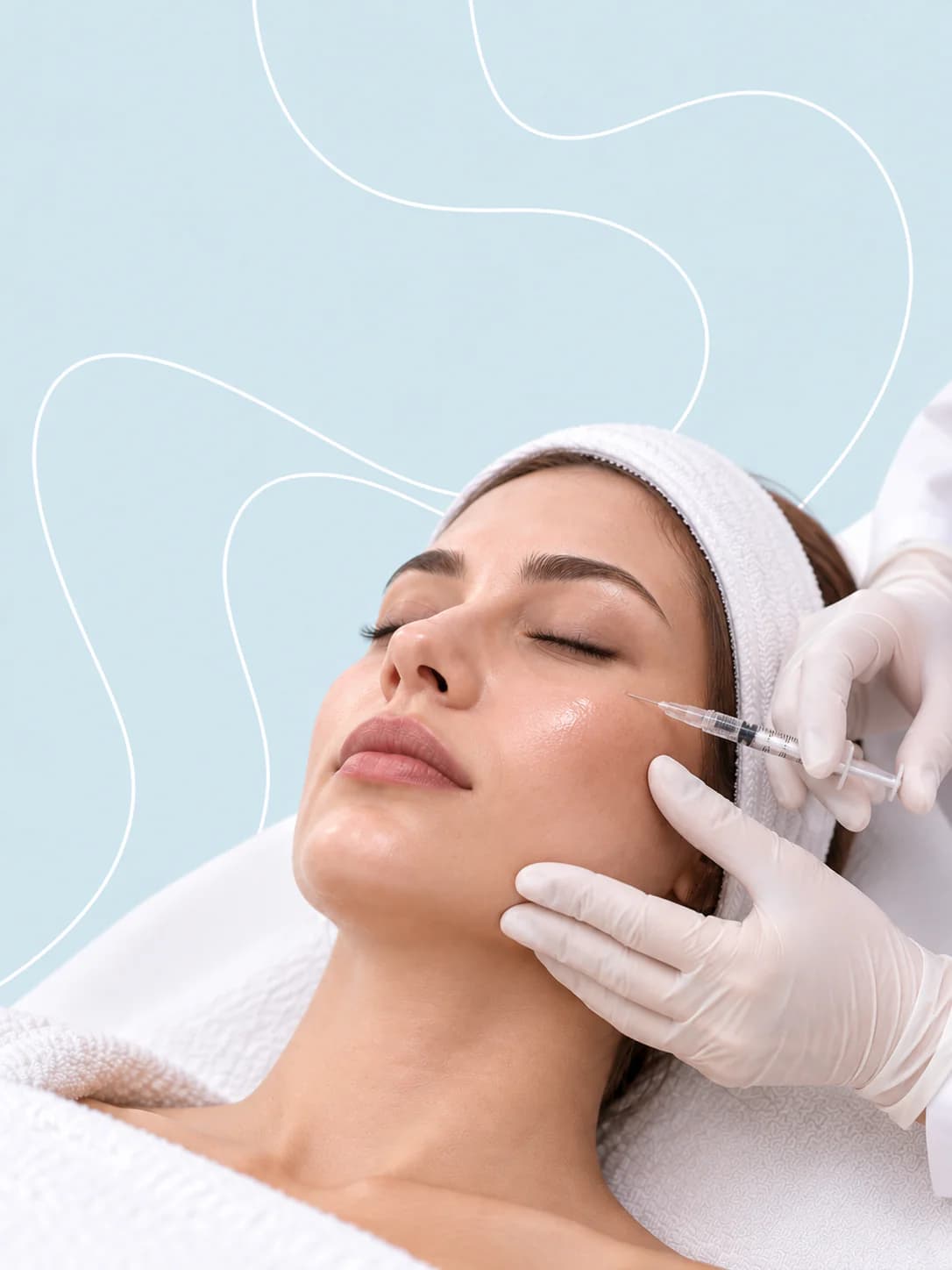
Skin boosters deliver hyaluronic acid into the upper layers of the skin to improve hydration, elasticity and radiance. They do not remove pigment, but sun-damaged skin is often dry, thin and dull, and boosters help it look healthier and reflect light more evenly. They suit people who are not ready for laser downtime or who want to maintain results between resurfacing sessions, usually as a short course followed by maintenance.
See the results
Before & After
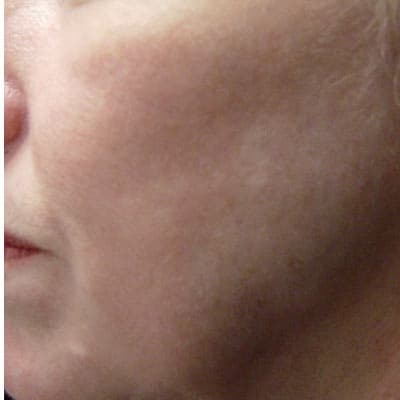
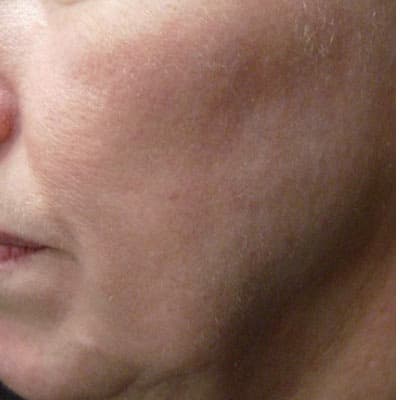
Unretouched before and after photos of treatment at Skin Anatomy. Drag the handle to compare — individual results vary.
At home
Self-care tips
Simple habits that support your skin alongside — or before — any treatment for pigmentation & sun damage.
- Apply broad-spectrum SPF50 every morning and reapply when outdoors
- Wear a wide-brimmed hat and seek shade in the middle of the day
- Avoid sunbeds completely
- Use gentle brightening ingredients such as vitamin C or niacinamide
- Do not pick spots or scratch skin, as this can leave dark marks
- Protect skin from heat as well as sun if you are prone to melasma
Have a question?
Pigmentation & Sun Damage: your questions answered
Can laser remove sun spots and age spots?
CO2 fractional laser can visibly lighten, and often clear, many sun spots and age spots. It resurfaces the damaged outer layer so fresh, more evenly toned skin replaces it. Results vary with the depth of pigment and your skin type, and new spots can appear with future sun exposure, so daily SPF is essential.
Is CO2 laser suitable for melasma?
CO2 laser is not usually a first-line treatment for melasma. Melasma is sensitive to heat and inflammation and can become darker after aggressive resurfacing. We assess your pigmentation carefully and may recommend a more cautious approach, skincare and strict sun protection instead. Suitability is always confirmed face to face at your consultation.
How many sessions will I need for pigmentation?
Many clients with sun spots and photoageing see a clear improvement after one to two SmartXEL CO2 laser sessions. More extensive sun damage may need more. Sessions are spaced several weeks apart, and we review your skin before each one. Daily SPF afterwards helps stop new pigmentation developing.
Will pigmentation come back after treatment?
Pigmentation can return, particularly with sun exposure or hormonal changes. Laser removes existing damaged pigment, but it cannot stop your skin producing melanin in response to UV light. Wearing SPF50 every day, avoiding sunbeds and following aftercare give you the best chance of keeping your results for as long as possible.
When is the best time of year for laser pigmentation treatment?
Autumn and winter are usually the best times for laser pigmentation treatment. You need to avoid sun exposure for four to six weeks before and three months after CO2 laser, which is easier when days are shorter. Treatment can be done at other times of year if you are able to protect your skin carefully.
What is the downtime after laser for sun damage?
Expect around seven to ten days of recovery. Skin looks red like sunburn for one to three days, feels rough on days four to six as treated pigment flakes away, and fresh skin appears by days seven to ten. Most clients return to normal activities within one to two days, and makeup can usually be worn after a couple of days.
Where can I get pigmentation treatment near Nottingham?
Skin Anatomy treats pigmentation and sun damage at 17 Queen Street, Southwell, easily reached from Nottingham, Newark-on-Trent and Mansfield. We use the SmartXEL CO2 fractional laser and offer supporting regenerative treatments. Your free consultation includes a close look at your pigmentation type, so we only recommend what is suitable.
Can darker skin tones have laser for pigmentation?
Darker skin tones can sometimes be treated, but the risk of temporary darkening or lightening of the skin is higher. We assess your skin type, may recommend skin preparation and a patch test, adjust laser settings conservatively, or suggest a gentler alternative. We always explain the risks honestly before you decide.
Skin concerns
Related skin concerns
- Acne ScarsRolling, boxcar and ice-pick scars softened by resurfacing and collagen-building treatments.
- Fine Lines & WrinklesExpression lines and crepey texture treated with injectables, resurfacing and regenerative care.
- Skin Laxity & JowlsLoose skin along the jawline, chin and neck tightened and redefined without surgery.
- Enlarged Pores & TextureRefine visible pores and rough, uneven texture for smoother, clearer-looking skin.
- Tired Eyes & Dark CirclesThin, crepey under-eye skin strengthened and brightened with regenerative treatments.
Visiting Skin Anatomy
Easy to reach from across Nottinghamshire
Skin Anatomy is at 17 Queen Street, Southwell, Nottinghamshire NG25 0AA, around 30 minutes from Nottingham, 15 minutes from Newark-on-Trent and 25 minutes from Mansfield by car (approximate). Clients visit us for treatment for pigmentation & sun damage from Southwell and the surrounding villages, as well as Nottingham, Newark-on-Trent, Mansfield, Bingham and Ollerton. Find travel and parking tips for your town:
Schedule your visit online
Book your free skin consultation