
View Details
Skin concern
Skin Tags & Benign Lesions
Skin tags, benign moles and seborrhoeic keratoses are usually harmless but can catch on clothing and jewellery or simply bother you. After careful assessment at our Southwell clinic, suitable lesions can be removed neatly with our SmartXEL CO2 laser.
Understanding skin tags & benign lesions
In short
Skin tags are small, soft growths often linked to skin rubbing against skin, and are common with age, weight gain, pregnancy and genetics; benign moles and seborrhoeic keratoses are harmless growths of pigment or skin cells. At Skin Anatomy in Southwell, suitable lesions are removed cosmetically with SmartXEL CO2 laser, while anything changing or suspicious is referred to your GP.
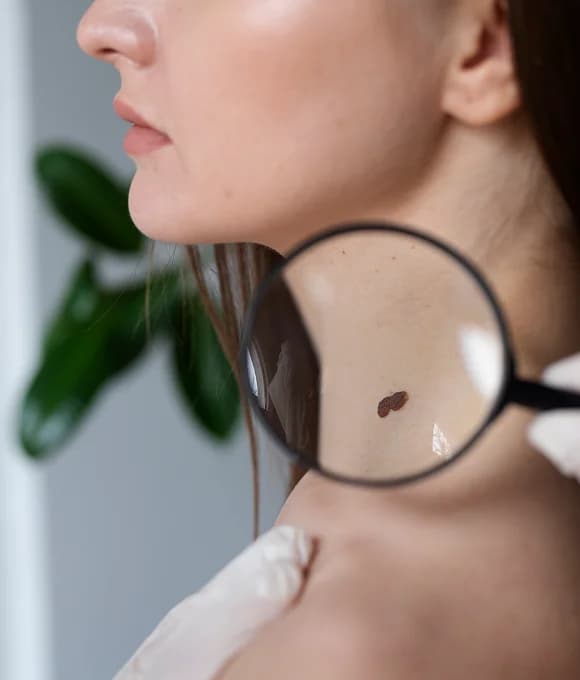
Skin tags are small, soft flaps of skin that hang from a narrow stalk, most often on the neck, underarms, eyelids, under the breasts and in the groin. They are very common, especially in midlife, during pregnancy and in people with diabetes or who carry extra weight. Seborrhoeic keratoses are rough, waxy, stuck-on looking growths that become more common with age, while many people also have benign moles they would simply prefer not to have. These lesions are usually harmless but can catch, rub, bleed or affect confidence.
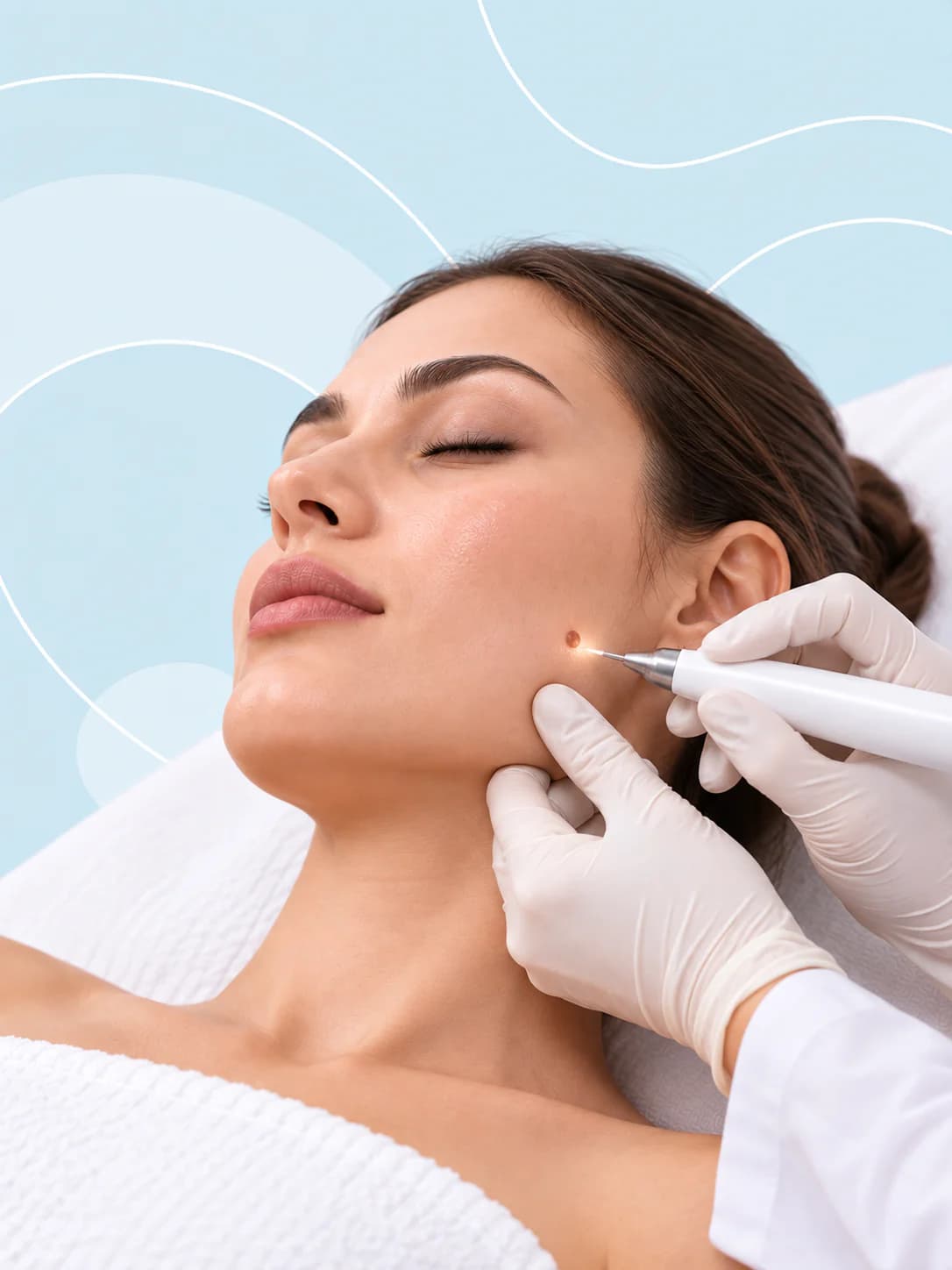
With its surgical handpiece, our SmartXEL CO2 laser can remove skin tags, moles, seborrhoeic keratoses, freckles and pigmented lesions with precision. The laser vaporises the lesion layer by layer and seals tiny blood vessels as it works, so there are no stitches and bleeding is minimal. A small scab forms and usually falls away within one to two weeks, leaving pink new skin that gradually settles. A topical numbing cream keeps the area comfortable, and most lesions are removed in a single visit.
Removal at Skin Anatomy is a cosmetic treatment, not a diagnosis. We never diagnose skin lesions, and we do not treat anything that looks suspicious or is changing. Because laser removal vaporises the tissue, nothing is sent for laboratory analysis, so removal cannot confirm whether a lesion was harmless and it is not a skin cancer check. If we have any doubt about a lesion, we will refer you to your GP instead of treating it. Treatment is for adults aged 18 and over.
What causes skin tags & benign lesions?
- Skin rubbing against skin or clothing, for example on the neck and underarms
- Ageing, especially for seborrhoeic keratoses
- Hormonal changes during pregnancy
- Carrying extra weight, insulin resistance or type 2 diabetes
- Genetics and family history
- Sun exposure, which influences moles and pigmented spots
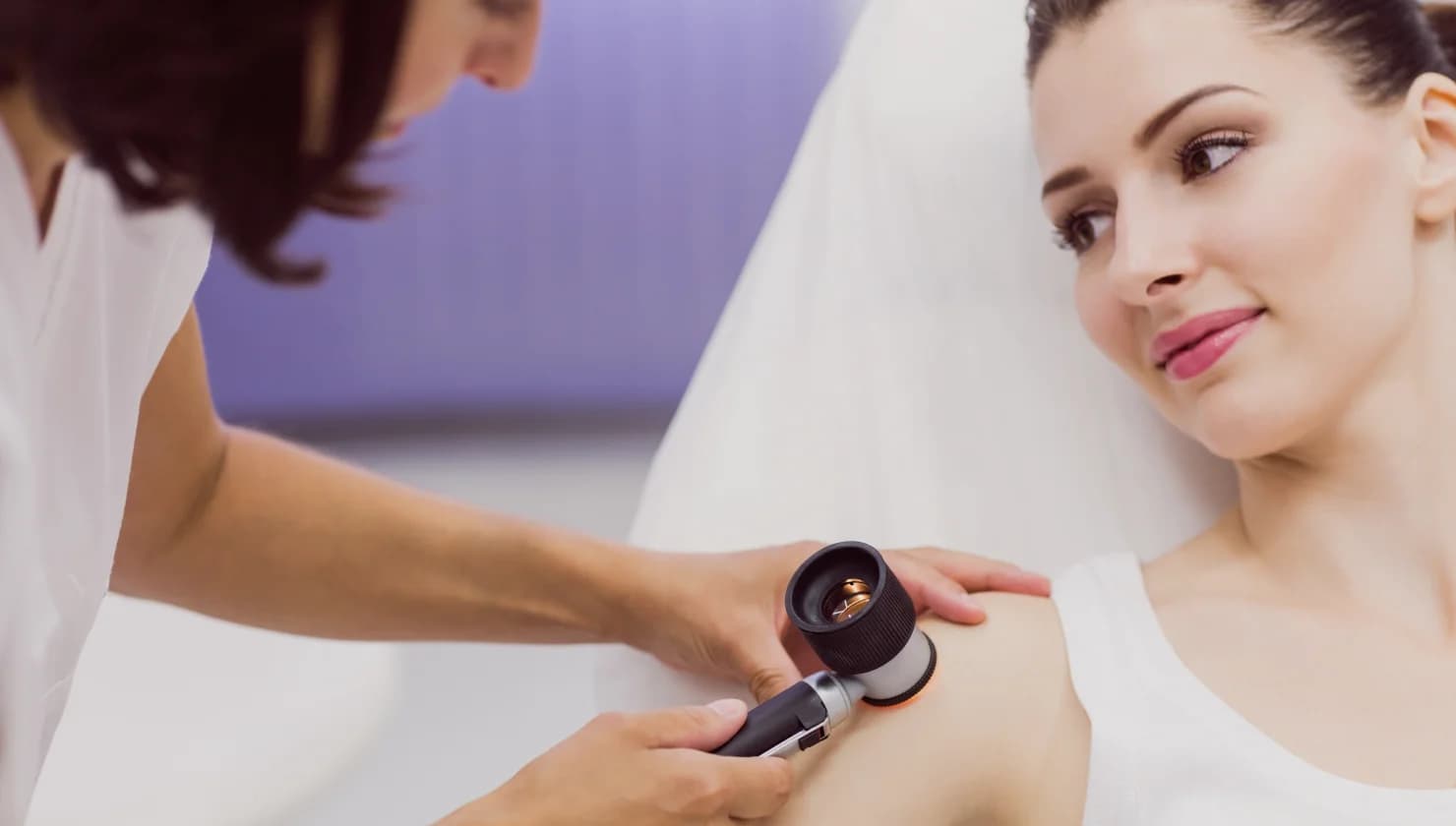
Everyone’s skin is different. At your free consultation we look at the likely causes of your concern, and your medical history, before recommending anything.
How we can help
Treatments for skin tags & benign lesions
Many clients get the best results from a combination of treatments. We recommend a plan only after a free, no-obligation consultation — and we will tell you honestly what improvement is realistic.
After assessing each lesion at your free consultation, we remove suitable skin tags, benign moles, seborrhoeic keratoses and pigmented spots using the SmartXEL CO2 laser surgical handpiece. Most are treated in one visit with topical numbing, no stitches and minimal bleeding, and a small scab heals over one to two weeks. Any lesion that is changing or looks unusual is not treated and is referred to your GP. Removed tissue is vaporised, so removal is not a diagnosis.
View Details
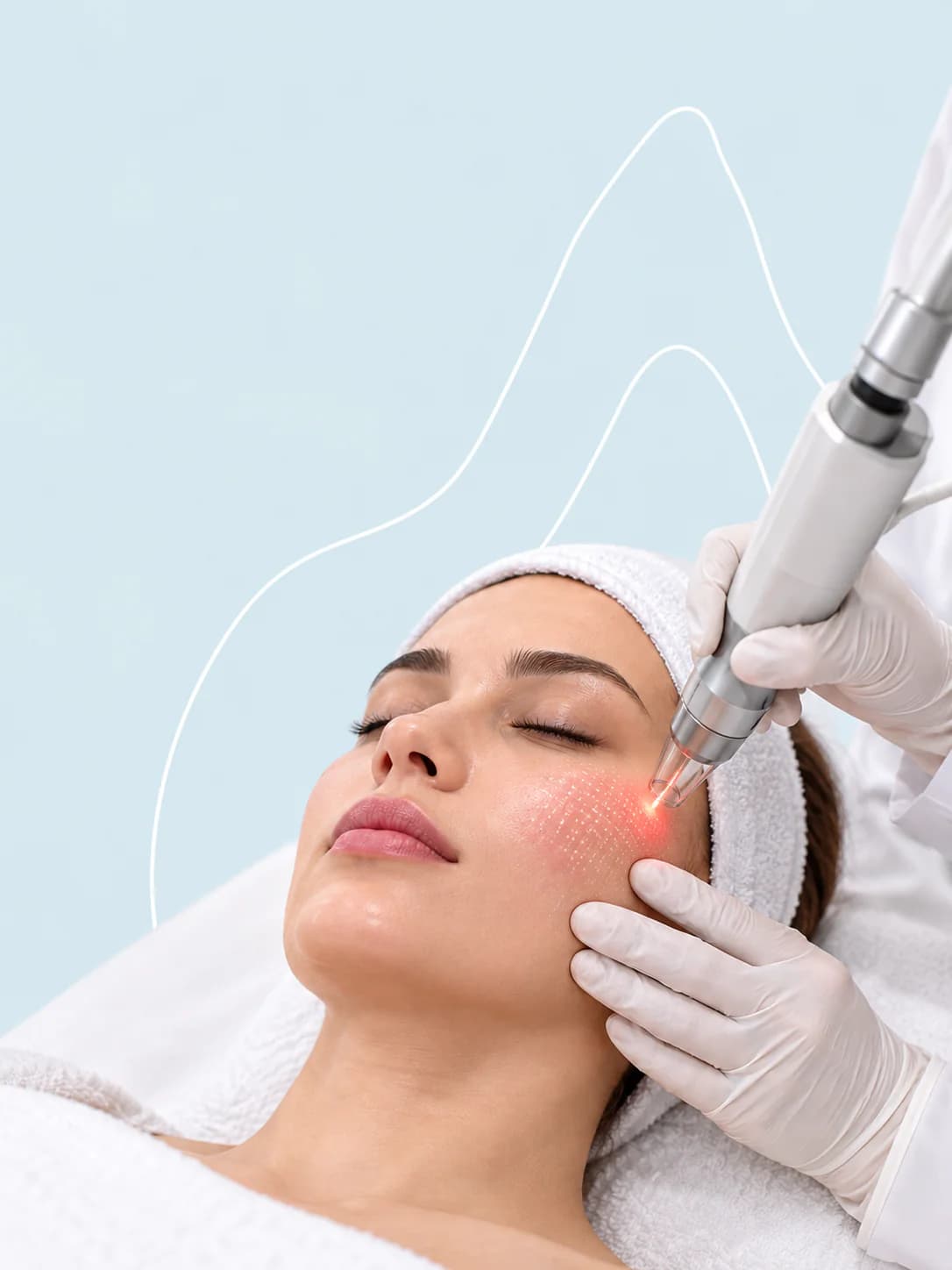
Where several flat lesions sit among sun damage, age spots or uneven texture, fractional SmartXEL CO2 laser resurfacing can treat the wider area at the same time. It resurfaces the top layer of skin, reduces sun damage and pigmented patches, and stimulates collagen for smoother skin overall. Expect redness on days 1 to 3, rough skin on days 4 to 6 and fresh skin by days 7 to 10, with careful sun protection before and afterwards.
At home
Self-care tips
Simple habits that support your skin alongside — or before — any treatment for skin tags & benign lesions.
- Check your skin monthly and photograph moles so you notice any changes
- Never cut, tie off or freeze skin tags yourself, which risks bleeding, infection and scarring
- Avoid mole removal creams sold online, which can burn and scar the skin
- Wear SPF 30 or higher daily and avoid sunburn
- Choose loose-fitting clothing and jewellery where tags tend to catch
- Keep to a healthy weight, which may reduce new skin tags forming
Have a question?
Skin Tags & Benign Lesions: your questions answered
Can you remove moles at Skin Anatomy?
Yes, we can remove suitable benign moles for cosmetic reasons after assessment. We do not diagnose moles and will not treat any mole that is changing, irregular or suspicious; instead we refer you to your GP. Because laser removal vaporises tissue, nothing is sent for analysis, so removal is not a skin cancer check.
Is the removed skin tag or mole sent to a laboratory?
No, laser removal vaporises the tissue, so there is nothing to send for laboratory analysis. That is why we only remove lesions that appear benign and never treat anything suspicious or changing. If a mole needs checking, your GP can refer you for assessment and, if needed, surgical removal with analysis.
Does skin tag removal leave a scar?
Most skin tags heal with little or no visible mark, but some scarring or colour change is possible, especially with larger or raised lesions and darker skin types. A small scab forms and usually falls away within one to two weeks. Protecting the area from the sun helps it heal well.
Does laser skin tag removal hurt?
Most clients find it quick and very tolerable. A topical numbing cream is applied first, and you may feel brief heat or stinging while the laser works. Afterwards the area can feel a little sore, like a graze, for a day or two.
Can several skin tags be treated at the same visit?
Several skin tags can usually be removed in a single appointment, depending on their size, location and number. We agree which lesions will be treated at your consultation. Very large numbers of tags, or tags close to the eye, may be spread over more than one visit.
Will a skin tag grow back after removal?
A skin tag that has been fully removed rarely grows back in the same spot, but new tags can form elsewhere, particularly in areas of friction. Seborrhoeic keratoses and some pigmented spots can also reappear over time. We can assess and treat new lesions as they appear.
Can I get skin tags removed on the NHS?
Usually not, because the NHS generally treats skin tag removal as cosmetic unless a tag is causing problems such as repeated bleeding or discomfort. Your GP can advise on your situation. Private removal is an option for harmless tags you would simply prefer to have removed, after an assessment.
Where can I get skin tags removed near Newark?
Skin Anatomy removes skin tags and benign lesions at our clinic on Queen Street in Southwell, around 15 minutes' drive from Newark-on-Trent and convenient for Nottingham and Mansfield. Every removal starts with an assessment, and any lesion that concerns us is referred to your GP.
Skin concerns
Related skin concerns
- Acne ScarsRolling, boxcar and ice-pick scars softened by resurfacing and collagen-building treatments.
- Fine Lines & WrinklesExpression lines and crepey texture treated with injectables, resurfacing and regenerative care.
- Pigmentation & Sun DamageSun spots, age spots and uneven tone evened out with laser resurfacing and skin regeneration.
- Skin Laxity & JowlsLoose skin along the jawline, chin and neck tightened and redefined without surgery.
- Enlarged Pores & TextureRefine visible pores and rough, uneven texture for smoother, clearer-looking skin.
Visiting Skin Anatomy
Easy to reach from across Nottinghamshire
Skin Anatomy is at 17 Queen Street, Southwell, Nottinghamshire NG25 0AA, around 30 minutes from Nottingham, 15 minutes from Newark-on-Trent and 25 minutes from Mansfield by car (approximate). Clients visit us for treatment for skin tags & benign lesions from Southwell and the surrounding villages, as well as Nottingham, Newark-on-Trent, Mansfield, Bingham and Ollerton. Find travel and parking tips for your town:
Schedule your visit online
Book your free skin consultation